
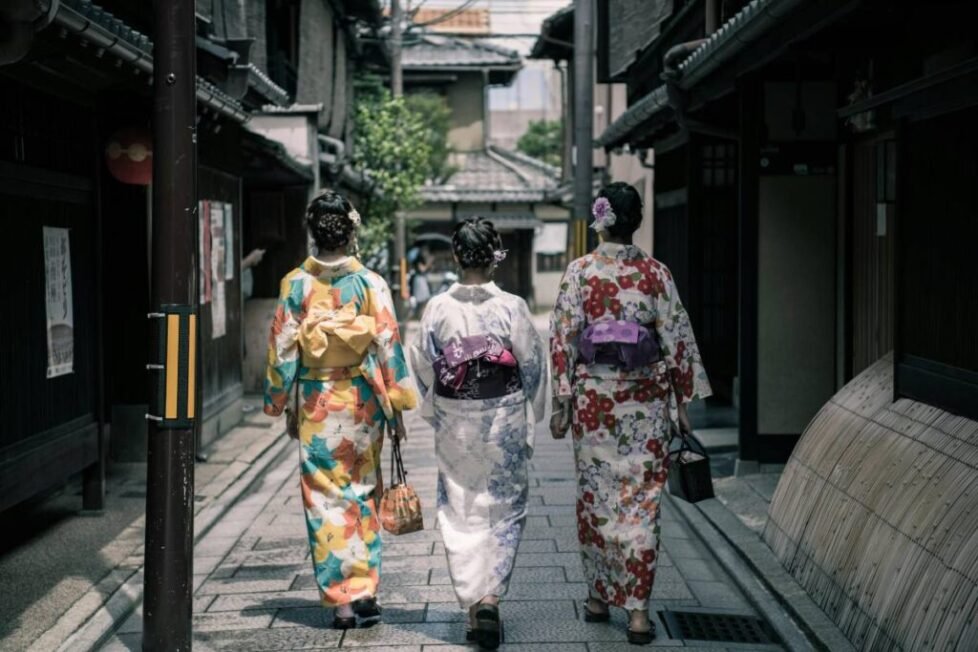
Exploring Kyoto: A 3-Day Travel Guide
As I wander through the serene gardens and majestic temples of Kyoto, I’m reminded of the city’s timeless charm. In this comprehensive guide, I’ll walk you through a 3-day itinerary that showcases the best of Kyoto, from its iconic landmarks to its local specialties.
Whether you’re a seasoned traveler or just starting to plan your Japan travel, this guide will help you make the most of your time in Kyoto. With a mix of cultural experiences, historical landmarks, and culinary delights, you’ll be able to immerse yourself in the city’s unique atmosphere.

Key Takeaways
- Discover Kyoto’s most iconic temples and gardens
- Explore the city’s local specialties and culinary delights
- Get a comprehensive 3-day itinerary for your Japan travel
- Learn how to make the most of your time in Kyoto
- Experience the city’s unique cultural atmosphere
Why Kyoto Should Be on Your Japan Bucket List
As the ancient capital of Japan, Kyoto offers a travel experience like no other, with its numerous UNESCO World Heritage sites and cultural significance. Kyoto, Japan, is a city that has been the heart of Japanese culture for centuries, and its rich history is palpable in its temples, gardens, and traditional architecture.
Ancient Capital with Modern Charm
Kyoto seamlessly blends traditional and modern charm, offering visitors a unique experience. The city’s ancient temples and shrines stand alongside modern amenities and innovative technology. This blend is evident in its cultural significance, where traditional festivals and modern events coexist.

Cultural Significance and UNESCO Sites
Kyoto is home to numerous UNESCO World Heritage sites, including the iconic Kiyomizu-dera Temple and the serene Kinkaku-ji Temple. These sites are not only breathtakingly beautiful but also hold significant cultural and historical importance. Some of the top UNESCO sites to visit include:
- Kiyomizu-dera Temple
- Kinkaku-ji Temple (Golden Pavilion)
- Fushimi Inari Shrine
My Personal Connection to Kyoto
During my visit to Kyoto, I was struck by the city’s tranquil atmosphere and the warmth of its people. My personal connection to Kyoto deepened as I explored its temples and gardens, experiencing the city’s spiritual essence. Kyoto’s ability to balance tradition with modernity is truly captivating, making it a destination that will leave you with unforgettable memories.
In conclusion, Kyoto’s unique blend of traditional and modern charm, coupled with its cultural significance and numerous UNESCO World Heritage sites, makes it a must-visit destination for any traveler. Whether you’re interested in history, culture, or simply experiencing Japan’s beauty, Kyoto should be on your Kyoto bucket list.
Best Time to Visit Kyoto
Kyoto, with its rich cultural heritage, is a destination that can be enjoyed throughout the year, but certain times offer more enchanting experiences. The city’s seasonal transformations make it a fascinating place to explore, with each period having its unique attractions and events.
Cherry Blossom Season (Spring)
Spring is perhaps the most popular time to visit Kyoto, thanks to its breathtaking cherry blossoms. The blooming period typically occurs in late March to early April, attracting visitors from around the world. During this time, Kyoto’s parks and gardens, such as Maruyama Park, are filled with the beauty of sakura.

Fall Foliage Spectacle (Autumn)
Autumn in Kyoto is another season of great beauty, with the city’s foliage turning vibrant shades of orange and red. The fall colors usually peak in mid-to-late November, making it an ideal time for hiking and exploring Kyoto’s many temples and gardens.
Summer Festivals and Winter Illuminations
Summer brings lively festivals, such as the Gion Matsuri, while winter offers serene landscapes and beautiful illuminations, like those at Arashiyama’s bamboo grove. These seasonal events add to Kyoto’s charm, offering a range of experiences for visitors.
Avoiding Tourist Crowds
To avoid the crowds, consider visiting Kyoto during the shoulder season, which includes late spring (after the cherry blossoms) and early autumn. These periods offer pleasant weather and fewer tourists, making it easier to explore the city’s attractions.
Getting to and Around Kyoto
Getting to Kyoto is a breeze, thanks to Japan’s efficient rail network. Once you arrive, navigating the city is straightforward with its comprehensive transportation system.
From Tokyo to Kyoto: Shinkansen Options
The most convenient way to reach Kyoto from Tokyo is by taking the Shinkansen bullet train. The Nozomi and Hikari trains are the fastest options, with a journey time of approximately 2.5 hours. You can book your tickets in advance through the JR East website or at the train station.
Shinkansen Ticket Prices:
| Train Type | Price (one-way) |
|---|---|
| Nozomi/Hikari | ¥14,250 (around $130 USD) |
| Kodama | ¥13,080 (around $120 USD) |
Navigating Kyoto’s Bus System
Kyoto’s bus network is extensive and convenient. You can purchase a one-day pass for ¥600 (around $5.50 USD), which allows unlimited rides on buses and subways. The city’s buses are equipped with English signage, making it relatively easy for tourists to navigate.
Subway and Bicycle Rental Tips
The Kyoto subway system is efficient and easy to use. You can rent bicycles at various locations throughout the city, with prices starting from ¥1,000 (around $9 USD) per day. I recommend exploring the city on a bicycle to discover its hidden gems.

Transportation Passes Worth Buying
Consider purchasing a Kyoto City Bus One-Day Pass or a Kansai Area Pass, which grants access to multiple transportation modes, including buses, subways, and trains. These passes can help you save money and travel conveniently throughout the city.
Where to Stay in Kyoto
From luxury hotels to budget-friendly guesthouses, Kyoto’s accommodation options cater to all kinds of travelers. Choosing the right place to stay is crucial for a memorable Kyoto experience.
Downtown (Kawaramachi/Gion)
Staying in downtown Kyoto, particularly in areas like Kawaramachi or Gion, puts you at the heart of the city’s cultural and entertainment hub. You’ll be within walking distance to many famous landmarks and can enjoy the traditional Japanese atmosphere. Some popular hotels in this area include:
- The Ritz-Carlton, Kyoto
- Four Seasons Hotel Kyoto
- Gion Nanba
Kyoto Station Area
The Kyoto Station area is another convenient option, offering easy access to transportation and a range of dining options. It’s ideal for those who prefer a more modern and vibrant atmosphere. Notable hotels in this area are:
- Hotel Granvia Kyoto
- The Kyoto Hotel Okura
Arashiyama District
For a more serene experience, consider staying in the Arashiyama district. Known for its picturesque bamboo forests and historic temples, Arashiyama offers a tranquil retreat. Some recommended accommodations include:
- L’Hôtel Kyoto Arashiyama
- Nimmo Bay Arashiyama
Accommodation Recommendations for Every Budget
Kyoto offers a wide range of accommodations to suit every budget. Here are some recommendations:
| Budget Category | Accommodation Type | Examples |
|---|---|---|
| Budget | Guesthouses, Hostels | Naito Guest House, Guest House Ninja |
| Mid-range | Business Hotels | Hotel Gajoen Tokyo is not in Kyoto, Hotel Nikko Kyoto |
| Luxury | High-end Hotels | The Ritz-Carlton, Kyoto, Four Seasons Hotel Kyoto |
Regardless of your budget, Kyoto has something to offer. I recommend booking in advance, especially during peak travel seasons.

The Ultimate Kyoto 3-Day Itinerary: Overview
Embarking on a 3-day journey to Kyoto requires a thoughtful itinerary to maximize your travel experience. With so many temples, gardens, and cultural experiences to explore, a well-planned itinerary is essential to making the most of your trip.
Itinerary Philosophy and Pace
The philosophy behind this 3-day itinerary is to balance cultural exploration with relaxation, ensuring that you experience the essence of Kyoto without feeling rushed. The pace is moderate, allowing for a deep dive into Kyoto’s highlights while leaving some room for spontaneity.
Map of Key Locations
Understanding the layout of Kyoto is crucial for navigating its many attractions efficiently. Below is a table highlighting key locations included in this itinerary:
| Location | District | Main Attraction |
|---|---|---|
| Kiyomizu-dera | Higashiyama | Historic Temple |
| Kinkaku-ji | Kinugasa | Golden Pavilion |
| Fushimi Inari | Fushimi | Thousand Torii Gates |

Seasonal Adjustments to Consider
Kyoto’s beauty varies significantly with the seasons. While the itinerary remains largely the same, seasonal adjustments can enhance your experience. For instance, during cherry blossom season, consider visiting Maruyama Park, and in autumn, enjoy the foliage along the Philosopher’s Path.
Day 1: Eastern Kyoto Exploration
My journey through Kyoto began in the east, where history and culture awaited. The first day was packed with visits to iconic temples, strolls through traditional districts, and immersion in local customs.
Morning: Kiyomizu-dera and Higashiyama District
The morning started with a visit to Kiyomizu-dera, one of Kyoto’s most famous Kyoto temples. Perched on a hill, this UNESCO World Heritage site offers breathtaking views of the city.
Visiting Kiyomizu-dera Temple
As I walked through the temple grounds, I was struck by the sheer scale and beauty of the complex. The main hall, with its wooden stage protruding over the valley below, is an engineering marvel and a spiritual haven.
Strolling Through Ninenzaka and Sannenzaka
After exploring Kiyomizu-dera, I strolled down the historic slopes of Ninenzaka and Sannenzaka, lined with traditional shops and tea houses. The atmosphere was serene, with locals and tourists alike savoring the charm of old Kyoto.
Afternoon: Gion and Yasaka Shrine
The afternoon was spent in the Gion district, famous for its geisha culture. I wandered the narrow streets, hoping to catch a glimpse of geishas and maikos (apprentice geishas) on their way to appointments.
Exploring Geisha District
Gion’s charm lies in its subtlety; the district is a masterclass in understated elegance. I visited traditional tea houses and shops selling local handicrafts, immersing myself in the area’s unique atmosphere.
Yasaka Shrine Experience
Nearby, Yasaka Shrine stood vibrant with color and energy. I explored the shrine grounds, admiring the vermilion torii gate and the serene gardens. It’s a place where tradition and spirituality thrive.
Evening: Pontocho Alley Dining
The evening concluded with dinner at Pontocho Alley, a narrow street known for its restaurants and traditional Kyoto cuisine. The alley was bustling with visitors and locals alike, all drawn to its culinary delights.
Restaurant Recommendations
I dined at a local restaurant, savoring Kaiseki, a multi-course meal that highlights seasonal ingredients. The experience was not just about the food but also the ambiance and service.
Kamogawa River Views
As I sat by the Kamogawa River, watching the evening unfold, I felt grateful for the day’s experiences. The combination of Kyoto’s cultural heritage and natural beauty made for a truly unforgettable day.
“Kyoto is a city that effortlessly blends the old with the new, creating a unique cultural tapestry that is both captivating and inspiring.”
Day 2: Northern Temple Circuit
On the second day of my Kyoto adventure, I embarked on a journey to explore the city’s northern temple circuit, a region renowned for its stunning temples and serene gardens.
Morning: Kinkaku-ji (Golden Pavilion)
My day began with a visit to Kinkaku-ji, also known as the Golden Pavilion. This Zen temple is one of Kyoto’s most iconic landmarks, and its beauty is truly breathtaking. The temple’s top two floors are covered in gold leaf, creating a striking reflection in the surrounding pond.
Photography Tips
For the best photographs, visit Kinkaku-ji early in the morning or during the late afternoon when the light is softer. Avoid using flash to capture the natural beauty and reflections.
Historical Context
Kinkaku-ji was originally built in the 14th century as a retirement villa for the Shogun Ashikaga Yoshimitsu. After his death, it was converted into a temple. The current structure is a reconstruction from the 1950s, following a devastating fire.
Afternoon: Ryoan-ji and Ninna-ji
After visiting Kinkaku-ji, I headed to Ryoan-ji, famous for its Zen rock garden. The simplicity and mystery of this garden are captivating, inviting contemplation and peace.
Zen Rock Garden Experience
The Zen rock garden at Ryoan-ji is a masterpiece of Japanese garden design. Composed of 15 rocks arranged in a deliberate pattern, the garden’s meaning and purpose have been the subject of much speculation and meditation.
Cherry Blossom Viewing (Seasonal)
During the spring season, Ryoan-ji is also a wonderful spot for cherry blossom viewing. The weeping cherry trees add a beautiful contrast to the traditional Zen garden.
Later, I visited Ninna-ji, a temple known for its beautiful garden and traditional architecture. The temple grounds are particularly lovely during the autumn foliage season.
| Temple | Main Attraction | Best Time to Visit |
|---|---|---|
| Kinkaku-ji | Golden Pavilion | Early Morning |
| Ryoan-ji | Zen Rock Garden | Any Time |
| Ninna-ji | Traditional Architecture | Autumn |
Evening: Nishiki Market Food Tour
In the evening, I embarked on a food tour at Nishiki Market, known as Kyoto’s Kitchen. This narrow shopping street is lined with over 100 food vendors and shops selling local specialties.
Must-Try Street Foods
- Miso Ramen
- Yudofu (Boiled Tofu)
- Kyoto-style Pickles
Souvenir Shopping
Nishiki Market is not only a great place to try local foods but also to shop for unique souvenirs. From specialty teas to handmade crafts, there’s something for everyone.
Day 3: Arashiyama and Western Kyoto
On my third day in Kyoto, I explored the western part of the city, discovering the serene Arashiyama Bamboo Grove. This day was a mix of natural beauty, cultural experiences, and memorable encounters.
Morning: Bamboo Grove and Tenryu-ji
The morning began with a visit to the iconic Arashiyama Bamboo Grove, where towering bamboo stalks swayed gently in the morning breeze, creating a surreal atmosphere. The path through the grove was lined with tourists and locals alike, all captivated by the tranquility of the surroundings.
Early Morning Photography
Arriving early allowed me to capture stunning photographs without the crowds, making it an ideal time for those looking to shoot the grove’s ethereal beauty.
Temple Gardens
Following the bamboo grove, I visited Tenryu-ji Temple, a UNESCO World Heritage site renowned for its beautiful gardens. The temple’s serene pond and meticulously landscaped gardens offered a peaceful respite from the morning’s excitement.
Afternoon: Monkey Park and Riverboat Cruise
The afternoon was filled with two unique experiences: visiting the Iwatayama Monkey Park and taking a scenic Hozu River cruise.
Iwatayama Monkey Park Visit
At the monkey park, I observed a troop of Japanese macaques in their natural habitat. Feeding the monkeys was a highlight, offering a chance to interact with these fascinating creatures up close.
Hozu River Experience
The riverboat cruise along the Hozu River provided a relaxing journey through Kyoto’s scenic landscapes. The river’s crystal-clear waters and the surrounding mountains created a picturesque setting, enhanced by the gentle current and the occasional bird call.
| Activity | Location | Duration |
|---|---|---|
| Bamboo Grove Visit | Arashiyama | 1-2 hours |
| Tenryu-ji Temple | Arashiyama | 1 hour |
| Monkey Park | Iwatayama | 2 hours |
| Riverboat Cruise | Hozu River | 2 hours |
Evening: Fushimi Inari Night Visit
The day concluded with a visit to Fushimi Inari Shrine at night, famous for its thousand torii gates. The shrine’s illumination created a magical atmosphere, with the gates casting a warm glow across the mountainside.
Thousand Torii Gates
Walking through the torii gates at night was a surreal experience, the darkness and the soft lighting creating an otherworldly ambiance.
Dinner Recommendations Nearby
After visiting Fushimi Inari, I enjoyed dinner at a local restaurant near the shrine, savoring traditional Kyoto cuisine. The area offered a variety of dining options, from casual eateries to more formal establishments.
Budget Considerations for Your Kyoto Trip
Kyoto, a city steeped in tradition and history, can be visited on a budget with some planning. Understanding the costs associated with traveling to Kyoto is crucial for a stress-free trip.
Temple and Attraction Entry Fees
Many of Kyoto’s temples and attractions charge entry fees. For example, Kiyomizu-dera Temple costs ¥500 to enter, while Fushimi Inari Shrine is free, but its many torii gates can be explored at no cost. Consider purchasing a Kyoto City Bus One-Day Pass and a Kansai Area Pass for discounted entry to multiple attractions.
Transportation Costs
Getting around Kyoto can be efficient and affordable. A one-day pass for the subway costs around ¥600, while a bus day pass is ¥500. You can also consider renting a bike for ¥1,000-¥2,000 per day. Transportation passes like the Kyoto City Bus One-Day Pass can help reduce costs.
Dining Options for Every Budget
Kyoto offers a wide range of dining options to suit every budget. You can enjoy a traditional kaiseki meal for ¥5,000-¥10,000 or grab a quick ¥500 snack at a local convenience store. Trying local street food and visiting Nishiki Market can be a cost-effective way to experience Kyoto’s culinary delights.
Money-Saving Tips
To save money in Kyoto, consider visiting temples and shrines during off-peak hours, using public transportation, and eating at local eateries. Purchasing a Kyoto City Bus One-Day Pass and a Kansai Area Pass can also help reduce costs. By being mindful of your expenses, you can enjoy a budget-friendly trip to Kyoto.
Essential Japanese Phrases for Kyoto Travel
While many Kyoto residents speak some English, learning a few basic Japanese phrases can significantly enhance your travel experience. Kyoto is a city that deeply values respect and politeness, and using the local language, even just a little, can go a long way in making your trip more enjoyable and meaningful.
Basic Greetings and Thank You
Starting with basic greetings can make a big difference. Saying “Konnichiwa” (こんにちは) during the day means “hello,” and “Arigatou gozaimasu” (ありがとうございます) means “thank you.” In the evening, you can greet locals with “Konbanwa” (こんばんは), or “good evening.”
Restaurant and Shopping Phrases
When dining or shopping, a few key phrases can be very helpful. “Sumimasen” (すみません) means “excuse me,” which is useful for getting attention. To ask for the bill, say “Kanjo o kudasai” ( をください), and to ask for a recommendation, you can say “Osusume wa nan desu ka?” (おすすめは ですか).
Temple Etiquette Vocabulary
Visiting temples is a significant part of the Kyoto experience. Showing respect through proper etiquette is appreciated. Before entering a temple, you’ll often need to bow; a simple “Ojigi” (お ) or bow is a sign of respect. When inside, maintaining silence and following any posted rules is considered polite.
What to Eat in Kyoto: Local Specialties
As a traveler in Kyoto, I discovered a world of flavors that are uniquely Kyoto. The city’s culinary delights are deeply rooted in its cultural heritage, making every meal a memorable experience. From traditional Kaiseki to local sweets and tea culture, Kyoto’s food scene is a reflection of its history and traditions.
Kyoto-style Kaiseki
Kaiseki is a multi-course Japanese dinner that emphasizes local seasonal ingredients. Kyoto-style Kaiseki is particularly renowned for its emphasis on aesthetics and the use of high-quality, fresh ingredients. It’s a culinary experience that combines art, nature, and taste.
Yudofu and Buddhist Cuisine
Yudofu, or boiled tofu, is a simple yet delicious dish that is especially popular in the cooler months. It’s often served with a dipping sauce and is a staple of Buddhist cuisine. Kyoto’s temples have influenced the development of Buddhist cuisine, which is known for its shojin-ryori (devotional cuisine) that excludes animal products.
Kyoto Sweets and Tea Culture
Kyoto is famous for its traditional sweets, known as wagashi, which are often served with green tea. These sweets are not only delicious but also visually appealing, making them a perfect accompaniment to Kyoto’s tea culture. The city’s tea houses offer a serene atmosphere where one can enjoy these traditional treats.
My Favorite Food Experiences
During my stay in Kyoto, I had the pleasure of experiencing the city’s culinary delights firsthand. Some of my favorite experiences included trying Kaiseki at a traditional ryokan, sampling Yudofu at a local restaurant, and exploring the city’s tea culture at a historic tea house.
| Dish | Description | Recommended Location |
|---|---|---|
| Kaiseki | Multi-course Japanese dinner | Gion Nanba |
| Yudofu | Boiled tofu dish | Nanzen-ji Temple area |
| Wagashi | Traditional Japanese sweets | Nakatanidou |
Extending Your Stay: Day Trip Options from Kyoto
While Kyoto has plenty to offer, its strategic location makes it an ideal base for exploring other fascinating destinations in the Kansai region. If you’re looking to venture beyond Kyoto’s temples and gardens, several exciting day trip options await you.
Nara and Its Friendly Deer
Nara is a must-visit destination, famous for its friendly deer that roam freely in Nara Park. Visitors can feed and pet these gentle creatures, making for a unique experience. The Todai-ji Temple, a UNESCO World Heritage site, is another highlight, housing the largest bronze Buddha statue in the world.
Osaka’s Urban Energy
For those who crave the energy of city life, Osaka is just a short train ride away. Known for its food, entertainment, and nightlife, Osaka offers a different pace from Kyoto’s more serene atmosphere. Visit the iconic Osaka Castle, explore the Dotonbori area, or enjoy the city’s renowned cuisine, including takoyaki and okonomiyaki.
Uji’s Tea Plantations
Uji is a charming town near Kyoto, celebrated for its green tea production. Take a stroll along the Uji River, visit the Byodo-in Temple, and sample some of the local tea at one of the many tea houses. Uji offers a tranquil retreat and a glimpse into Japan’s tea culture.
Kurama and Kibune Hiking
Nature lovers will enjoy the hiking trails of Kurama and Kibune, located in the mountains north of Kyoto. The Kurama Temple, situated on a mountaintop, offers stunning views and a unique spiritual experience. From there, you can hike to Kibune, known for its scenic river valley and traditional ryokans.
These day trips from Kyoto offer a mix of culture, history, and natural beauty, making your travel experience even more enriching. Whether you’re interested in history, food, or outdoor activities, there’s something for everyone just beyond Kyoto’s borders.
Conclusion: The Magic of Kyoto in 3 Days
Kyoto, with its rich history, vibrant culture, and breathtaking landscapes, is a city that can be explored in a short 3-day trip, yet it leaves an indelible mark on your travel memories. My Kyoto 3-day itinerary has guided you through the city’s most iconic landmarks, from ancient temples to serene gardens, and introduced you to the local cuisine that makes Kyoto a culinary gem of Japan travel.
As you plan your trip using this Kyoto travel guide, remember that the true essence of Kyoto lies not just in its famous sites, but also in the experiences that await you around every corner. Whether it’s strolling through the bamboo groves of Arashiyama, sipping matcha in a traditional tea house, or simply soaking in the atmosphere of the Gion district, Kyoto has a way of captivating your senses.
I hope this guide has not only helped you navigate the must-see attractions of Kyoto but also inspired you to venture off the beaten path and discover the unique charm of this ancient city. With its blend of tradition and modernity, Kyoto is a destination that promises an unforgettable journey.
FAQ
What is the best time to visit Kyoto?
The best time to visit Kyoto is during the spring (March to May) and autumn (September to November), when the weather is mild and comfortable. Spring brings cherry blossoms, while autumn is known for its vibrant fall foliage.
How do I get to Kyoto from Tokyo?
The most convenient way to get to Kyoto from Tokyo is by taking the Shinkansen bullet train, which takes approximately 2.5 hours. You can take the Nozomi or Hikari train from Tokyo Station to Kyoto Station.
What are the must-try foods in Kyoto?
Kyoto is known for its traditional Kaiseki cuisine, Yudofu (boiled tofu), and local sweets. Be sure to try some of the city’s specialties, such as Shojin-ryori (Buddhist cuisine) and matcha sweets.
How do I navigate Kyoto’s transportation system?
Kyoto has a comprehensive bus and subway system. You can purchase a prepaid card, such as ICOCA or SUICA, to make traveling convenient. The city is also bike-friendly, with many rental options available.
What are some essential Japanese phrases to know when traveling to Kyoto?
Learning basic Japanese phrases, such as “konnichiwa” (hello), “arigatou” (thank you), and “sumimasen” (excuse me), can go a long way in enhancing your travel experience.
Are there any specific customs or etiquette I should be aware of when visiting temples in Kyoto?
Yes, when visiting temples, it’s customary to dress modestly, remove your shoes when required, and follow any specific rules or guidelines provided by the temple staff.
Can I extend my stay in Kyoto and take day trips to nearby destinations?
Yes, Kyoto is a great base for exploring the surrounding region. Popular day trip destinations include Nara, Osaka, Uji, and Kurama.
What are some budget-friendly tips for traveling to Kyoto?
To save money, consider staying in a budget-friendly accommodation, eating at local eateries, and using public transportation. You can also save on temple entry fees by purchasing a prepaid card or visiting during off-peak hours.
Is Kyoto a family-friendly destination?
Yes, Kyoto is a great destination for families, with many kid-friendly activities, such as visiting the Kyoto International Manga Museum, taking a stroll through the Arashiyama Bamboo Grove, and exploring the city’s many parks and gardens.