
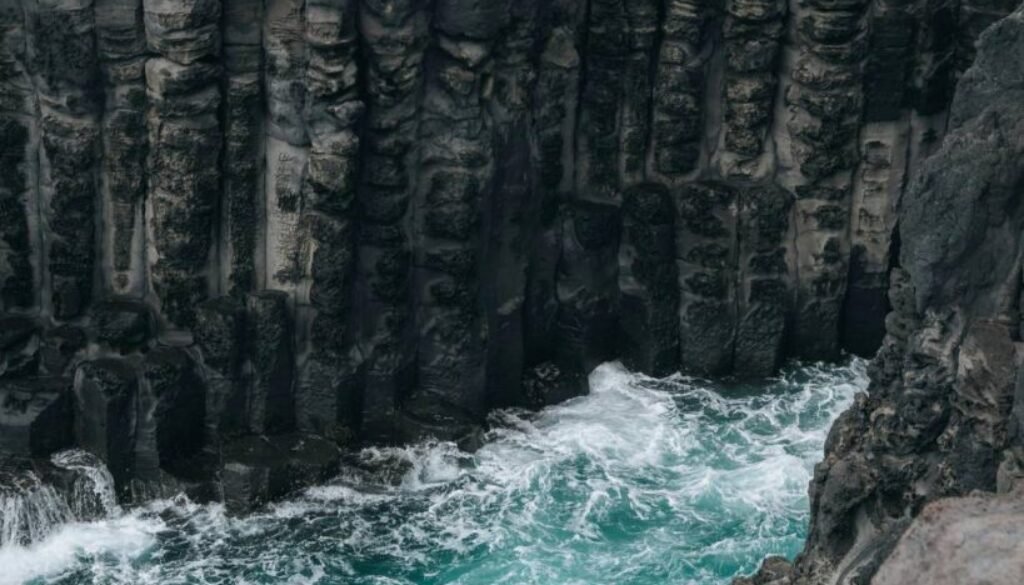
Jeju Island in 2 Days: Immerse in Nature, Savor Local Cuisine & Coastal Vistas
As I plan my trip to Jeju Island, I realize that two days is just enough time to experience the best of what this beautiful destination has to offer. From its stunning natural landscapes to its unique local cuisine and breathtaking coastal vistas, Jeju Island travel is an adventure that caters to all interests.

Klook – Tours, activities & passes
Trip.com – Hotels, flights & packages
For travelers looking to explore South Korea tourism at its finest, a Jeju Island itinerary is a must-have. In this article, I will guide you through a suggested 2-day plan to make the most of your trip, ensuring that you soak in the island’s charm and beauty.
Key Takeaways
- Discover Jeju’s natural wonders in just 2 days.
- Experience the unique local cuisine.
- Enjoy breathtaking coastal vistas.
- Follow a suggested itinerary for a stress-free trip.
- Explore the best of South Korea tourism.
Discovering the Pearl of South Korea
Jeju Island, a gem off the coast of South Korea, is a destination that promises an unforgettable experience. As I explore this enchanting island, I am struck by its natural beauty and unique landscapes.
The Volcanic Wonder of Korea
Jeju Island is a volcanic island that boasts a diverse range of natural wonders, including the iconic Seongsan Ilchulbong Peak, a UNESCO World Heritage Site. The island’s volcanic origin has created a unique landscape of craters, lava tubes, and scenic coastlines. As I walk through the island’s rugged terrain, I am amazed by the sheer scale and beauty of these natural formations.

Why 2 Days is Enough for a Taste of Jeju
While Jeju Island has much to offer, I believe that 2 days is sufficient to get a good taste of the island’s highlights. With a well-planned itinerary, visitors can explore the island’s natural wonders, sample local cuisine, and experience the unique culture of Jeju. Here are some of the top experiences to be had on the island:
- Explore the island’s natural wonders, such as Seongsan Ilchulbong Peak and Manjanggul Cave
- Sample local delicacies, including fresh seafood and Jeju black pork
- Experience the unique culture of Jeju, including its traditional villages and museums
By prioritizing these experiences, visitors can gain a deep appreciation for the island’s natural beauty and cultural heritage.
Planning Your 2-Day Jeju Island Adventure
To make the most of your 2-day trip to Jeju Island, careful planning is essential. With its unique natural landscapes, rich culture, and delicious cuisine, Jeju Island has a lot to offer, and a well-planned itinerary can help you experience the best of it.
Best Time to Visit Jeju Island
The best time to visit Jeju Island is during the spring (March to May) or autumn (September to November), when the weather is mild and pleasant, making it ideal for outdoor activities and sightseeing. These seasons offer comfortable temperatures and fewer tourists compared to the peak summer months.
- Spring: Enjoy the island’s beautiful flora and mild temperatures.
- Autumn: Experience the harvest season with comfortable weather and fewer crowds.
Getting to Jeju Island
Getting to Jeju Island is relatively straightforward, with multiple transportation options available. You can fly into Jeju International Airport, which receives flights from major cities in South Korea and some international destinations. Alternatively, you can take a ferry from mainland South Korea, which is a more leisurely option.

Klook – Tours, activities & passes
Trip.com – Hotels, flights & packages
Transportation Options Around the Island
Once you arrive on Jeju Island, there are several transportation options to help you get around. Renting a car provides the most flexibility, allowing you to explore the island at your own pace. Public transportation, including buses and taxis, is also available, offering a convenient alternative for those who prefer not to drive.
- Rent a car for maximum flexibility and convenience.
- Use public buses and taxis for a more affordable option.
Where to Stay: Accommodation Options
Choosing the right accommodation is key to a comfortable and enjoyable trip to Jeju Island. Jeju Island offers a wide range of accommodation options to suit different budgets and preferences.
Jeju City Accommodations
In Jeju City, you can find everything from budget-friendly guesthouses to luxury hotels. Some popular options include hotels near the city center, offering easy access to local markets and restaurants. For a more luxurious experience, consider staying at one of the high-end resorts that offer amenities like spas and infinity pools.
Seogwipo and Southern Coast Options
On the southern coast, Seogwipo is another popular area to stay, with its own set of hotels, resorts, and guesthouses. Seogwipo offers a more relaxed atmosphere, with proximity to natural attractions like waterfalls and beaches. You can choose from a variety of accommodations, ranging from simple guesthouses to luxury hotels with ocean views.
| Location | Accommodation Type | Price Range |
|---|---|---|
| Jeju City | Budget Guesthouse | $20-$50 |
| Jeju City | Luxury Hotel | $150-$300 |
| Seogwipo | Mid-range Hotel | $80-$150 |
| Seogwipo | Resort | $120-$250 |

Day 1 Morning: Eastern Jeju Exploration
My Jeju Island adventure began with a breathtaking sunrise at Seongsan Ilchulbong Peak, a UNESCO World Heritage Site and one of the island’s most iconic natural wonders.
Sunrise at Seongsan Ilchulbong Peak
Watching the sunrise from the crater’s rim was a truly unforgettable experience. The sky transformed into a kaleidoscope of colors as the sun slowly rose above the horizon, casting a warm glow over the landscape. Here are some key highlights of visiting Seongsan Ilchulbong Peak:
- Arrive early to secure a good spot for sunrise
- Be prepared for a short hike to the crater’s rim
- Enjoy the stunning views of the surrounding landscape

Klook – Tours, activities & passes
Trip.com – Hotels, flights & packages
Exploring Manjanggul Cave
After taking in the morning views, I headed to Manjanggul Cave, one of the longest lava tubes in the world. As I walked through the cave, I was amazed by the unique geological formations and the sheer scale of this natural wonder. Some notable features of Manjanggul Cave include:
- A 9-meter-high lava column that supports the cave’s ceiling
- An array of stunning lava formations and stalactites
- A glimpse into Jeju Island’s volcanic history
Exploring Manjanggul Cave was a fascinating experience that provided a deeper understanding of Jeju Island’s natural history.
Day 1 Afternoon: Natural Wonders
The afternoon of my first day on Jeju Island was filled with exploration of the island’s most breathtaking natural attractions. This part of the day was dedicated to delving into Jeju’s unique cultural and natural heritage.

Jeju Haenyeo Museum
My first stop was the Jeju Haenyeo Museum, a place that pays tribute to the island’s legendary female divers, known as Haenyeo. The museum offers a fascinating glimpse into the lives and traditions of these remarkable women, showcasing their diving techniques, daily lives, and the challenges they face. It’s an enlightening experience that highlights the importance of preserving cultural heritage.
Seopjikoji’s Dramatic Coastal Scenery
Next, I headed to Seopjikoji, a scenic spot on Jeju’s eastern coast renowned for its dramatic landscapes and picturesque views. The area is characterized by its rugged cliffs, rocky shores, and serene atmosphere, making it a perfect spot for nature lovers and photographers. The unique rock formations and the vast ocean stretching to the horizon create a breathtaking panorama.
Jeju Stone Park
My final destination for the afternoon was the Jeju Stone Park, a unique cultural park that celebrates the island’s stone culture. The park features an extensive collection of stone statues, monuments, and traditional Jeju stone walls, offering insights into the symbolic and practical uses of stone in Jeju’s culture. It’s a tranquil and thought-provoking place that complements the natural beauty of the island.
The afternoon’s itinerary was a perfect blend of culture, nature, and tranquility, showcasing the diverse facets of Jeju Island.
Day 1 Evening: Local Cuisine Experience
As the day comes to a close on Jeju Island, the evening beckons with a culinary adventure like no other. The island’s unique location and cultural heritage have given rise to a distinct culinary identity that is both fascinating and delicious.
Fresh Seafood Dinner at Jeju’s Local Restaurants
One of the highlights of my evening was dining on fresh seafood at one of Jeju’s local restaurants. The island is renowned for its seafood in Jeju, with an array of dishes that showcase the day’s catch. From grilled fish to seafood stews, each dish is a testament to the island’s rich marine resources. As noted by food critics, “Jeju’s seafood is a reflection of its pristine waters and the island’s commitment to preserving its marine environment.”
Sampling Jeju Black Pork
No visit to Jeju is complete without trying the famous Jeju Black Pork, known for its tender and flavorful meat. This local specialty is a must-try, with many restaurants offering their own unique takes on traditional dishes. I found that the black pork was not only delicious on its own but also paired well with the island’s other local produce, making for a well-rounded Jeju local cuisine experience.
In the evening, Jeju Island transforms into a culinary haven, offering visitors a chance to indulge in its unique flavors and dishes. Whether it’s through seafood or local specialties like Jeju Black Pork, the island’s cuisine is sure to leave a lasting impression.
Jeju Island Highlights in 2 Days: Nature, Food & Coastal Views
In just 48 hours, you can experience the best of Jeju Island’s unique blend of nature, food, and breathtaking views. This volcanic island is a treasure trove of natural wonders, delicious local cuisine, and stunning coastal scenery.
Unmissable Natural Attractions
Jeju Island is home to numerous natural attractions that are a must-visit. Seongsan Ilchulbong Peak, a UNESCO World Heritage Site, offers a breathtaking sunrise experience. Manjanggul Cave, one of the longest lava tubes in the world, is another natural wonder that showcases the island’s volcanic origins. Visitors can also explore the beautiful Cheonjeyeon Waterfall, a picturesque spot surrounded by lush greenery.
Must-Try Jeju Delicacies
Jeju Island is renowned for its unique cuisine, which features fresh seafood and local specialties. Be sure to try Jeju Black Pork, known for its tender texture and rich flavor. Fresh seafood is also a staple, with many restaurants offering a wide range of dishes. Don’t miss the opportunity to sample Hallamul, a traditional Jeju dish made with various ingredients.
Breathtaking Coastal Viewpoints
The coastal scenery on Jeju Island is nothing short of breathtaking. Seopjikoji is a must-visit spot, offering dramatic views of the coastline and surrounding landscape. Visitors can also enjoy the picturesque views at Oedolgae Rock, a unique rock formation that stands tall in the ocean.
With its diverse natural beauty, delicious cuisine, and stunning coastal views, Jeju Island is a destination that has something for everyone.
Day 2 Morning: Southern Jeju Exploration
On the second morning of my Jeju Island adventure, I explored the southern part of the island, discovering hidden gems. The southern region of Jeju is known for its natural beauty and unique attractions, making it a must-visit during my 2-day trip.
Cheonjeyeon Waterfall
My first stop was the breathtaking Cheonjeyeon Waterfall, a three-tiered waterfall surrounded by lush greenery. The serene atmosphere and picturesque views made it an ideal spot to start the day. I took a leisurely walk around the pond at the base of the waterfall, enjoying the tranquility of the surroundings.
Oedolgae Rock and Coastal Walk
After visiting the waterfall, I headed to Oedolgae Rock, a distinctive rock formation standing alone in the sea. The rock is not only a natural wonder but also offers a unique coastal walk with stunning views of the ocean. I walked along the coastal path, taking in the dramatic scenery and capturing memorable photos.
| Attraction | Location | Highlights |
|---|---|---|
| Cheonjeyeon Waterfall | Southern Jeju | Three-tiered waterfall, serene atmosphere, lush greenery |
| Oedolgae Rock | Southern Jeju Coast | Unique rock formation, coastal walk, dramatic ocean views |
Day 2 Afternoon: Cultural Immersion
On my second day, I immersed myself in Jeju’s vibrant culture by visiting some of its most iconic cultural sites. This experience allowed me to delve deeper into the island’s unique heritage and traditions.
Exploring Jeju Folk Village
My first stop was the Jeju Folk Village, a living museum that showcases the traditional way of life on Jeju Island. As I walked through the village, I was struck by the authenticity of the preserved homes and buildings, which date back to different periods in Jeju’s history. The village offers a glimpse into the daily lives of Jeju’s ancestors, with exhibits on farming, fishing, and other traditional practices. I was particularly fascinated by the hanok, traditional Korean houses that are characteristic of Jeju’s architecture.
O’sulloc Tea Museum and Plantation
After exploring the folk village, I headed to the O’sulloc Tea Museum and Plantation, a haven for tea enthusiasts. Located on the scenic outskirts of Jeju, the museum is nestled within a beautiful tea plantation. Here, I learned about the history and production of Jeju’s famous green tea, as well as the unique conditions that make Jeju an ideal place for tea cultivation. The museum’s exhibits were both informative and engaging, and I enjoyed sampling some of the tea varieties. The serene surroundings of the plantation, with its rolling hills and lush greenery, made for a perfect afternoon retreat.
Day 2 Evening: Sunset and Farewell
As I reflect on my final evening on Jeju Island, I’m drawn to the serene beauty of Hyeopjae Beach. This picturesque spot is renowned for its crystal-clear waters and powdery white sand, making it an ideal location to watch the sunset.
Sunset at Hyeopjae Beach
Hyeopjae Beach offers a tranquil atmosphere, perfect for a peaceful evening stroll. As the sun begins to set, the sky transforms into a kaleidoscope of colors, providing a breathtaking backdrop for memorable photographs. I find a comfortable spot on the beach, and as I watch the sunset, I’m reminded of the island’s unique volcanic landscape that has captivated me throughout my trip.
Final Dinner with Ocean Views
After taking in the sunset, I head to a local restaurant that offers stunning ocean views. The dinner menu features an array of fresh seafood, a highlight of Jeju’s culinary delights. As I savor my meal, I reflect on the wonderful experiences I’ve had on the island, from exploring its natural wonders to immersing myself in its culture.
| Restaurant | Cuisine | View |
|---|---|---|
| Ocean Breeze | Seafood | Panoramic ocean views |
| Coastal Delights | Local specialties | Sunset views |
As I conclude my Jeju Island adventure, I’m grateful for the memories I’ve created and the opportunity to experience the island’s unique charm. The farewell dinner is a fitting end to an unforgettable journey.
Unique Jeju Island Experiences
Jeju Island is a treasure trove of unique experiences that will leave you with unforgettable memories. From cultural encounters to breathtaking natural beauty, the island offers a diverse range of activities that cater to all interests.
Meeting the Haenyeo (Female Divers)
One of the most iconic experiences on Jeju Island is meeting the Haenyeo, or female divers, who have been diving for seafood without oxygen tanks for centuries. These women are not only a symbol of Jeju’s culture but also a testament to the island’s rich maritime heritage. Visitors can watch the Haenyeo at work or even participate in a diving experience themselves, gaining a deeper appreciation for their skill and endurance.
Hallasan National Park Quick Visit
No visit to Jeju Island is complete without a trip to Hallasan National Park, home to the island’s highest peak, Hallasan Mountain. This UNESCO Biosphere Reserve offers stunning landscapes, from lush forests to the serene crater lake at the summit. Even a quick visit to the park can be rewarding, with numerous trails and viewpoints that offer breathtaking vistas of the island.
Jeju’s Quirky Museums
Jeju Island is also known for its quirky museums, which offer a fun and offbeat way to explore the island’s culture. Museums like the Jeju Museum of Folk Village and the O’Sulloc Tea Museum provide unique insights into Jeju’s traditions and way of life. These museums are a great way to spend an afternoon, offering an engaging and sometimes humorous look at the island’s history and customs.
Some of the top experiences include:
- Watching the Haenyeo dive for seafood
- Hiking in Hallasan National Park
- Exploring Jeju’s unique museums
Navigating Jeju’s Weather and Seasons
To make the most of your Jeju Island visit, it’s essential to grasp its seasonal weather patterns. Jeju Island, known for its natural beauty, experiences a climate that varies significantly across different seasons.
Seasonal Considerations
Jeju’s weather is characterized by mild springs and autumns, hot and humid summers, and cool winters. Spring (March to May) and autumn (September to November) are considered the best times to visit, with comfortable temperatures ranging from 15°C to 25°C (59°F to 77°F), ideal for outdoor activities like hiking and exploring the island’s natural wonders.
In contrast, summer can be quite hot and humid, with temperatures often above 30°C (86°F), while winters can be cool, especially in the mornings and evenings, requiring layers for comfort.
What to Pack for Your Trip
Packing for Jeju Island depends largely on the season you visit. For spring and autumn, comfortable clothing and layers are recommended due to the cooler mornings and evenings. In summer, lightweight, breathable clothing is essential, while warmer clothing is necessary for winter visits.
Regardless of the season, it’s also a good idea to bring sunscreen, a hat, and sunglasses to protect against the sun, as well as comfortable shoes for exploring the island’s many attractions.
Photography Spots for Capturing Jeju’s Beauty
As a photographer, you’ll find Jeju Island to be a treasure trove of diverse and breathtaking scenery. From the majestic Seongsan Ilchulbong Peak to the serene Hyeopjae Beach, Jeju Island offers a myriad of photography opportunities that cater to all skill levels.
Sunrise and Sunset Locations
Jeju Island is renowned for its stunning sunrise and sunset vistas. Seongsan Ilchulbong Peak is a must-visit spot to capture the sunrise, with its crater-shaped peak and surrounding landscape bathed in golden light. For sunset, Hyeopjae Beach offers a picturesque setting with its white sand and crystal-clear waters.
| Location | Best Time | Tips |
|---|---|---|
| Seongsan Ilchulbong Peak | Sunrise | Bring a tripod for stable shots |
| Hyeopjae Beach | Sunset | Use a polarizing filter to reduce glare |
Nature and Landscape Photography Tips
When capturing Jeju’s natural beauty, consider the unique rock formations, waterfalls, and scenic coastlines. Manjanggul Cave offers an otherworldly landscape with its lava tubes, while Oedolgae Rock provides a dramatic seascape. To enhance your landscape photography, use a wide-angle lens and shoot during the golden hour for optimal lighting.
Practical Tips for a Smooth Jeju Island Visit
A smooth and enjoyable trip to Jeju Island can be achieved with some insider knowledge. As you prepare for your journey, consider the following practical tips to make the most of your time on this beautiful island.
Language and Communication
While many locals on Jeju Island speak some English, it’s still a good idea to learn basic Korean phrases like “hello” (annyeonghaseyo) and “thank you” (gamsahamnida). This will help you navigate the island and show respect for the local culture.
Currency and Payments
The local currency is the South Korean won. Credit cards are widely accepted in most restaurants, shops, and hotels, but it’s always a good idea to have some cash on hand, especially for small purchases or at traditional markets.
Safety and Emergency Information
In case of an emergency, the general emergency number in South Korea is 119. It’s also a good idea to have a plan in place, including knowing the location of your country’s embassy and having a basic understanding of the local healthcare system.
| Tip | Description |
|---|---|
| Learn Basic Korean Phrases | Enhance your experience and show respect for the local culture |
| Have Local Currency | South Korean won is the local currency; credit cards are widely accepted |
| Know Emergency Numbers | Dial 119 in case of an emergency |
Conclusion: Making the Most of 48 Hours on Jeju Island
With a well-planned Jeju Island itinerary, you can experience the best of this volcanic wonder in just 48 hours. My 2-day trip to Jeju Island was a journey through breathtaking natural beauty, unique cultural experiences, and delicious local cuisine.
To make the most of your 2-day trip, consider the travel tips I’ve outlined, from the best times to visit iconic sites to navigating the island’s transportation options. By being prepared, you can create unforgettable memories of your time on Jeju Island.
Whether you’re marveling at the sunrise at Seongsan Ilchulbong Peak, sampling the local seafood, or exploring the island’s quirky museums, Jeju Island has something for every traveler. With this guide, you’re ready to embark on your own Jeju Island adventure and make the most of your 48 hours on this enchanting island.
FAQ
What is the best time to visit Jeju Island?
The best time to visit Jeju Island is during the spring or autumn when the weather is mild and pleasant.
How do I get to Jeju Island?
You can fly into Jeju International Airport or take a ferry from mainland South Korea.
What are the must-try local delicacies on Jeju Island?
Some must-try local delicacies on Jeju Island include Jeju Black Pork and fresh seafood.
What are the top natural attractions on Jeju Island?
Some of the top natural attractions on Jeju Island include Seongsan Ilchulbong Peak, Manjanggul Cave, and Cheonjeyeon Waterfall.
What are the best spots for photography on Jeju Island?
Some of the best spots for photography on Jeju Island include sunrise and sunset locations like Seongsan Ilchulbong Peak and Hyeopjae Beach, as well as the island’s unique rock formations, waterfalls, and scenic coastlines.
What should I pack for my trip to Jeju Island?
You should pack comfortable clothing and layers for cooler mornings and evenings, as well as sunscreen and a hat for outdoor protection.
Are credit cards widely accepted on Jeju Island?
Yes, credit cards are widely accepted on Jeju Island.
What is the local currency on Jeju Island?
The local currency on Jeju Island is the South Korean won.
How can I get around Jeju Island?
You can rent a car or use public transportation to get around Jeju Island.