
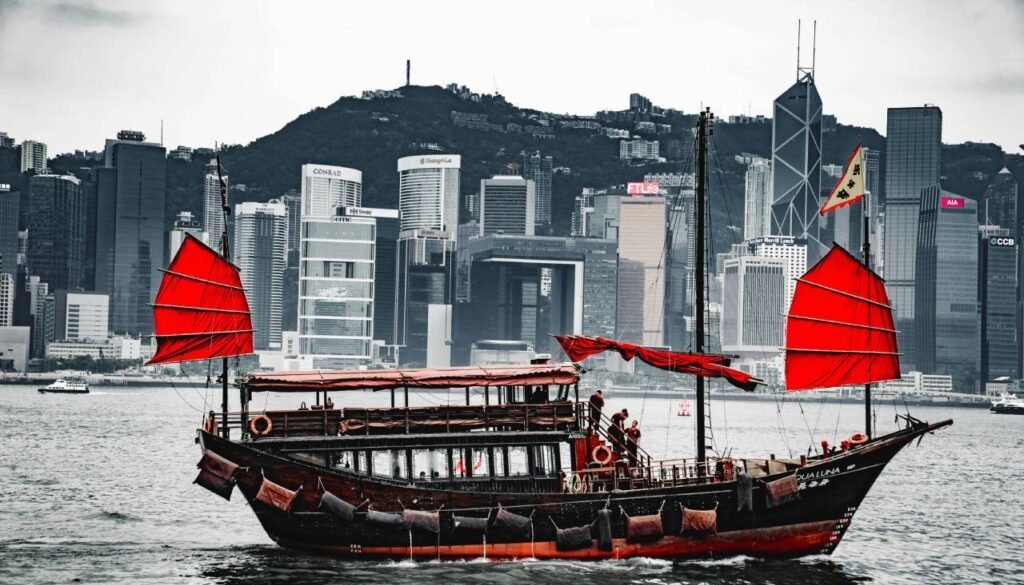
Hong Kong in 48 Hours: A Quick Getaway Guide
As a first-time visitor to Hong Kong, you’re likely eager to experience the best of this vibrant city in a short amount of time. This comprehensive guide is designed to help you make the most of your 48-hour itinerary, covering everything from trip planning to navigating the city’s efficient public transportation system.

Klook – Tours, activities & passes
Trip.com – Hotels, flights & packages
In this guide, I’ll walk you through the must-see cultural landmarks, shopping districts, and local cuisine that Hong Kong has to offer. Whether you’re looking to explore the city’s rich history or simply enjoy its energetic atmosphere, this Hong Kong travel guide is your key to an unforgettable getaway.
Key Takeaways
- Discover the best 48-hour itinerary for Hong Kong
- Learn how to navigate the city’s public transportation system
- Explore cultural landmarks and historical sites
- Indulge in local cuisine and shopping experiences
- Make the most of your trip as a first-time visitor
Planning Your Hong Kong in 48 Hours: A Quick Getaway Guide for First-Time Visitors
As you prepare for your 48-hour adventure in Hong Kong, effective planning is crucial for a smooth and enjoyable trip. With so much to see and do, a little preparation goes a long way in making your journey memorable.
Best Time to Visit Hong Kong
Hong Kong is a year-round destination, but the best time to visit depends on your preferences. The territory experiences a humid subtropical climate, with hot summers and mild winters. Spring (March to May) and autumn (September to November) are considered the best seasons to visit, with comfortable temperatures and fewer rain showers.
| Season | Weather | Events |
|---|---|---|
| Spring (March to May) | Mild temperatures, occasional rain | Cheung Chau Bun Festival, Tin Hau Festival |
| Summer (June to August) | Hot and humid, frequent typhoons | Hong Kong Book Fair, Summer festivals |
| Autumn (September to November) | Comfortable temperatures, clear skies | Mid-Autumn Festival, Hong Kong Wine and Dine Festival |
| Winter (December to February) | Mild temperatures, cooler mornings and evenings | Chinese New Year, Winter festivals |
Visa Requirements for American Travelers
As an American traveler, you don’t need a visa to enter Hong Kong as a tourist for stays up to 90 days. However, your passport must be valid for at least six months beyond your planned departure date. It’s always a good idea to check the latest visa requirements before your trip.
Pre-Trip Planning Essentials
Before you leave, make sure to:
- Book your flights and accommodation in advance to avoid peak season prices.
- Purchase travel insurance that covers medical expenses, trip cancellations, and delays.
- Check the weather forecast and pack accordingly.
- Exchange some currency for Hong Kong dollars, although credit cards are widely accepted.
- Download necessary apps, such as the MTR app, for navigating the city.

Klook – Tours, activities & passes
Trip.com – Hotels, flights & packages
By taking care of these pre-trip planning essentials, you’ll be well-prepared for your 48-hour adventure in Hong Kong, ensuring a stress-free and enjoyable journey.
Getting to Hong Kong
Flying into Hong Kong is a breeze, with numerous direct flights available from major US cities. Whether you’re departing from Los Angeles, New York, or San Francisco, you can find a convenient flight to Hong Kong International Airport (HKG).
Direct Flights from Major US Cities
Several airlines operate direct flights from the US to Hong Kong. For instance, Cathay Pacific offers non-stop services from Los Angeles and New York, while American Airlines provides direct flights from several major US cities. Here’s a breakdown of some direct flight options:
| Airline | US Departure City | Frequency |
|---|---|---|
| Cathay Pacific | Los Angeles | Daily |
| American Airlines | New York (JFK) | Multiple daily |
| United Airlines | San Francisco | Daily |
Navigating Hong Kong International Airport
Upon arrival at Hong Kong International Airport, you’ll find it’s well-organized and easy to navigate. The airport is modern and sleek, with clear signage to guide you through customs, baggage claim, and to your onward transportation.

Airport to City Transportation Options
Getting from the airport to your accommodation in the city is straightforward, with several options available:
- Airport Express Train: The fastest way to reach the city center, with trains running every 10-12 minutes.
- Taxis: Available outside the arrivals hall, with a journey time of around 30-45 minutes depending on traffic.
- Bus Services: Several bus routes connect the airport to various parts of Hong Kong, offering a more budget-friendly option.
- Private Car Services: For a more personalized and comfortable journey, you can book a private car service.
With these options, you’ll be able to get to your accommodation quickly and easily, ready to start your 48-hour Hong Kong adventure.
Where to Stay: Accommodation Options
Finding the perfect place to stay is crucial for a memorable Hong Kong experience. With a wide range of options available, from high-end luxury hotels to budget-friendly hostels, travelers can choose accommodations that fit their needs and budget.
Luxury Hotels with Harbor Views
For a truly unforgettable experience, consider staying at one of Hong Kong’s luxury hotels with stunning harbor views. These hotels offer top-notch amenities, exceptional service, and breathtaking views of Victoria Harbour.
Some of the top luxury hotels include:
- The Ritz-Carlton, Hong Kong
- The Four Seasons Hotel Hong Kong
- The Grand Hyatt Hong Kong

Klook – Tours, activities & passes
Trip.com – Hotels, flights & packages
Mid-Range Options in Central and Tsim Sha Tsui
For travelers looking for a more affordable option without sacrificing location, mid-range hotels in Central and Tsim Sha Tsui are an excellent choice. These hotels offer comfortable accommodations, modern amenities, and easy access to public transportation.
| Hotel Name | Location | Price Range |
|---|---|---|
| Hyatt Centric Victoria Harbour Hong Kong | Central | $200-$400 |
| The Salisbury – YMCA of Hong Kong | Tsim Sha Tsui | $150-$300 |
| BP International House | Central | $100-$250 |
Budget-Friendly Hostels and Guesthouses
For budget-conscious travelers, Hong Kong offers a variety of affordable hostels and guesthouses. These options provide a great way to meet fellow travelers and experience the local culture.
Some popular budget-friendly options include:
- Yesinn Hostel
- Mei Ho House Youth Hostel
- Guesthouse Hostel
When choosing your accommodation, consider factors such as location, price, and amenities to ensure a comfortable and enjoyable stay in Hong Kong.
Navigating Hong Kong’s Public Transportation
Getting around Hong Kong is a breeze, thanks to its extensive public transportation options. The city’s transportation network is a marvel of modern infrastructure, making it easy for visitors to explore every corner of this vibrant metropolis.
Using the MTR (Mass Transit Railway)
The MTR is the backbone of Hong Kong’s public transportation system. It’s efficient, clean, and easy to navigate. The railway network covers most areas of the city, making it the preferred mode of transport for both locals and tourists.
Key Features of the MTR:
- Reliable and frequent services
- Extensive network covering major areas
- Clean and safe environment
- Easy to use for English speakers, with bilingual signs
Star Ferry and Other Water Transport
The Star Ferry is an iconic mode of transport in Hong Kong, offering a unique way to see the city’s skyline while crossing Victoria Harbour. Besides the Star Ferry, there are other water transport options available, including ferries to outlying islands.
| Water Transport Option | Route | Frequency |
|---|---|---|
| Star Ferry | Tsim Sha Tsui to Central | Every 5-10 minutes |
| Outlying Island Ferries | Central to Lantau, Lamma, Cheung Chau | Varies by route |

Octopus Card: Your Transportation Essential
The Octopus Card is a rechargeable card that can be used to pay for public transportation fares, as well as for purchases at convenience stores, supermarkets, and more. It’s a convenient option that eliminates the need for cash or individual tickets.
Benefits of Using an Octopus Card:
- Convenience: No need to buy individual tickets
- Discounts: Enjoy discounted fares on public transport
- Wide acceptance: Can be used at various merchants
By utilizing the MTR, Star Ferry, and Octopus Card, visitors can navigate Hong Kong with ease, making the most of their 48-hour getaway.
Day 1 Morning: Victoria Peak and Central District
Riding the historic Peak Tram to Victoria Peak was the perfect initiation to my Hong Kong escapade, unveiling the city’s majestic skyline. As I ascended, the lush greenery and colonial-era charm of the tram’s route set the tone for a day of exploration.
Riding the Peak Tram
The Peak Tram, a century-old funicular railway, is an engineering marvel that offers more than just a mode of transportation; it’s an experience. As I rode the tram, I watched the landscape transform from urban sprawl to a verdant, mountainous retreat. The tram’s gradual ascent provides a unique perspective on Hong Kong’s contrasting landscapes.

Exploring Central’s Colonial Architecture
After taking in the views from Victoria Peak, I descended into the Central District, a hub of financial activity juxtaposed with historical significance. The area is renowned for its colonial architecture, a testament to Hong Kong’s history as a British colony. Buildings like the Former Central Police Station and the Legislative Council Building showcase the blend of Eastern and Western architectural styles.
Mid-Morning Dim Sum Break
No visit to Hong Kong is complete without indulging in its culinary delights, and dim sum is a quintessential experience. I stopped at a local restaurant in Central for a mid-morning dim sum break, savoring steamed dumplings and other delicacies. The variety and freshness of the dishes were a highlight of my morning, offering a taste of Cantonese cuisine.
To plan your day effectively, here’s a quick overview of the morning’s activities and their associated costs:
| Activity | Cost (HKD) | Duration |
|---|---|---|
| Riding the Peak Tram | 52 (round trip) | 10 minutes |
| Exploring Central District | Free | 2 hours |
| Dim Sum Breakfast | 150-200 | 1.5 hours |
Day 1 Afternoon: Cultural Immersion in Sheung Wan
My afternoon in Sheung Wan is a journey through time, exploring temples, creative hubs, and antique shops. This historic neighborhood is a fascinating blend of traditional and modern culture, offering a unique glimpse into Hong Kong’s rich heritage.
Man Mo Temple Visit
The first stop on my cultural immersion journey is the iconic Man Mo Temple, dedicated to the gods of war and literature. As I step inside, I’m enveloped in the scent of incense and the tranquil atmosphere of this historic site. The temple’s intricate carvings and ornate decorations are a testament to the craftsmanship of traditional Chinese architecture.
Exploring PMQ Creative Hub
From the temple, I make my way to the PMQ Creative Hub, a hub for designers, artists, and entrepreneurs. This former police quarters complex has been transformed into a vibrant center for creativity and innovation. As I explore the hub, I discover a diverse range of exhibitions, workshops, and boutiques showcasing local talent.
Hollywood Road Antique Shops
No visit to Sheung Wan would be complete without browsing the antique shops on Hollywood Road. This street is lined with stores selling everything from ancient ceramics to vintage jewelry. As I wander through the shops, I’m on the lookout for unique souvenirs and hidden gems, immersing myself in the history and culture that each item has to offer.
As the afternoon comes to a close, I’ve experienced a rich tapestry of cultural immersion in Sheung Wan. From the spiritual tranquility of Man Mo Temple to the creative energy of PMQ and the historical allure of Hollywood Road’s antique shops, this neighborhood has provided a truly unforgettable experience.
Day 1 Evening: Victoria Harbor and Nightlife
Victoria Harbor is the heartbeat of Hong Kong’s evening, offering a unique blend of culture and entertainment. As the day comes to a close, the harbor area transforms into a vibrant spectacle that showcases the city’s energy.
Symphony of Lights Show
The evening begins with the spectacular Symphony of Lights show, a synchronized light and sound display that illuminates the harbor. This nightly performance is a must-see, with its dramatic music and stunning visuals creating an unforgettable experience.
Dining Options with Harbor Views
After taking in the Symphony of Lights, enjoy dinner at one of the many restaurants offering harbor views. From traditional Cantonese cuisine to international dining options, there’s something for every taste. Here are some top recommendations:
| Restaurant | Cuisine | Location |
|---|---|---|
| The Grand Stage | Cantonese | Tsim Sha Tsui |
| Vue 2 | International | Kowloon |
| Harbor View | Seafood | Central |
Lan Kwai Fong Nightlife Experience
For those looking to experience Hong Kong’s vibrant nightlife, Lan Kwai Fong is the place to be. This bustling area is known for its bars, clubs, and live music venues, offering a diverse range of options to suit all preferences. Whether you’re looking for a relaxed evening or a lively night out, Lan Kwai Fong has something for everyone.
In conclusion, Hong Kong’s evening offers a rich tapestry of experiences, from the cultural significance of the Symphony of Lights to the culinary delights and nightlife of Lan Kwai Fong. It’s a night that will leave you with lasting memories of this dynamic city.
Day 2 Morning: Lantau Island and Big Buddha
Discover the tranquility and grandeur of Lantau Island, a highlight of your 48-hour Hong Kong getaway. Lantau Island is a serene escape from the bustling city, offering breathtaking views and unforgettable experiences.
Ngong Ping 360 Cable Car Ride
Your journey begins with the Ngong Ping 360 cable car ride, a thrilling experience that offers panoramic views of the South China Sea and the island’s lush landscapes. As you soar above the clouds, you’ll be treated to stunning vistas that will leave you in awe.
The cable car ride is not just a mode of transportation; it’s an adventure that sets the tone for your visit to Lantau Island. With crystal-clear views and a sense of excitement, you’ll arrive at Ngong Ping, ready to explore its cultural and spiritual treasures.
Tian Tan Buddha and Po Lin Monastery
At the heart of Ngong Ping lies the majestic Tian Tan Buddha, a symbol of peace and harmony. This impressive bronze statue, surrounded by lush gardens, is a must-visit attraction. Take a moment to appreciate the intricate details and the serene atmosphere that pervades the area.
Adjacent to the Big Buddha is the Po Lin Monastery, a sacred site that embodies the spirit of Buddhism. The monastery’s architecture, with its ornate decorations and peaceful ambiance, offers a glimpse into the rich cultural heritage of the region.
| Attraction | Highlights | Tips |
|---|---|---|
| Ngong Ping 360 | Panoramic views, thrilling ride | Book tickets in advance |
| Tian Tan Buddha | Majestic bronze statue, serene gardens | Respectful attire recommended |
| Po Lin Monastery | Sacred Buddhist site, ornate decorations | Vegetarian meals available |
Tai O Fishing Village Excursion
After exploring Ngong Ping, head to the Tai O Fishing Village, a charming community that showcases traditional Hong Kong fishing culture. Stroll through the village’s narrow streets, visit the stilt houses, and sample local delicacies, such as salted fish and shrimp paste.
Tai O offers a unique glimpse into the region’s heritage, with its rustic charm and picturesque surroundings. It’s an ideal place to relax and enjoy the simple pleasures of island life.
Day 2 Afternoon: Shopping in Kowloon
On my second day in Hong Kong, I dedicate the afternoon to discovering Kowloon’s shopping delights. Kowloon offers a diverse shopping experience that caters to all tastes and budgets.
Ladies’ Market in Mong Kok
My shopping adventure begins at the famous Ladies’ Market in Mong Kok, a bustling street market that is a must-visit for any shopper. Here, I find a wide array of goods, from clothing and accessories to souvenirs and local snacks.
Luxury Shopping in Tsim Sha Tsui
After exploring the market, I head to Tsim Sha Tsui, where I indulge in luxury shopping at high-end malls like Harbour City. The area offers a sophisticated shopping experience with international brands and designer boutiques.
Electronics Hunting in Sham Shui Po
For those interested in electronics, Sham Shui Po is the place to go. This district is known for its electronic shops, offering everything from the latest gadgets to computer parts.
| Shopping Destination | What to Expect | Best For |
|---|---|---|
| Ladies’ Market | Bustling street market with a variety of goods | Souvenirs, local snacks, affordable clothing |
| Tsim Sha Tsui | Luxury shopping malls with international brands | High-end fashion, designer goods |
| Sham Shui Po | Electronic shops with gadgets and computer parts | Electronics, tech enthusiasts |
In conclusion, Kowloon’s shopping scene is a vibrant mix of traditional and modern, offering something for every kind of shopper. Whether you’re looking for bargains, luxury goods, or the latest electronics, Kowloon has it all.
Day 2 Evening: Food Adventures
My second day in Hong Kong concluded with a dive into the city’s vibrant food culture. The evening offered a myriad of culinary experiences, from street food tours to Michelin-starred dining and bustling night markets.
Street Food Tour in Kowloon
I began my evening with a street food tour in Kowloon, exploring the local cuisine that this region is known for. The tour took me through various stalls and eateries, sampling dishes such as barbecued pork skewers and fish balls. The flavors were a perfect blend of traditional Cantonese cuisine.
Michelin-Starred Dining Experiences
For those looking to indulge in a more luxurious dining experience, Hong Kong offers numerous Michelin-starred restaurants. I opted for a dinner at a renowned Cantonese restaurant, where I savored traditional dim sum and other local delicacies. The experience was a culinary highlight of my trip.
Temple Street Night Market
No visit to Hong Kong is complete without a visit to Temple Street Night Market. The market comes alive in the evening with a variety of food stalls, fortune tellers, and street performers. I enjoyed browsing through the stalls selling everything from souvenirs to local snacks, making it a memorable end to my day.
| Experience | Location | Highlights |
|---|---|---|
| Street Food Tour | Kowloon | Barbecued pork skewers, fish balls |
| Michelin-Starred Dining | Various Locations | Traditional dim sum, Cantonese delicacies |
| Temple Street Night Market | Temple Street, Kowloon | Local snacks, souvenirs, street performers |
Must-Try Hong Kong Cuisine
Hong Kong’s culinary scene is a melting pot of flavors, offering a diverse range of dishes to tantalize your taste buds. As you explore this gastronomic paradise, you’ll encounter a variety of culinary delights that showcase the region’s rich cultural heritage.
The city’s cuisine is characterized by its Cantonese roots, with influences from other parts of China and the world. To truly experience Hong Kong, you must indulge in its renowned culinary offerings.
Dim Sum Essentials
Dim sum is a quintessential Hong Kong experience, with steamed dumplings, buns, and rolls served in bamboo baskets. Some must-try dim sum items include:
- Har Gow: Steamed shrimp dumplings wrapped in a thin, translucent wrapper.
- Siu Mai: Steamed pork and shrimp dumplings topped with a dot of roe.
- Char Siu Bao: Barbecue pork buns, soft and fluffy on the inside, with a sweet and savory filling.
- Cheung Fun: Rice noodle rolls, often filled with shrimp or BBQ pork, served with a sweet soy sauce.
Street Food Favorites
Hong Kong’s street food scene is a reflection of its vibrant culture, with a variety of dishes available at markets and food stalls. Some popular street food items include:
- Fish Balls: Crispy on the outside, chewy on the inside, often served in a curry sauce.
- Stinky Tofu: Fermented tofu, deep-fried to a crispy exterior, served with a spicy sauce.
- Egg Waffles: Crispy egg-based waffles, often enjoyed as a snack.
- Grilled Squid: Marinated squid grilled to perfection, a common sight at night markets.
“Street food is an integral part of Hong Kong’s culinary identity, offering a taste of the city’s cultural diversity.”
Traditional Cantonese Dishes
Cantonese cuisine is known for its emphasis on fresh ingredients and delicate flavors. Some traditional Cantonese dishes to try in Hong Kong include:
| Dish | Description |
|---|---|
| Roast Goose | A classic Cantonese dish, roasted to perfection with crispy skin and tender meat. |
| Wonton Noodles | Thin noodles served in a light broth, accompanied by wontons filled with shrimp or pork. |
| Congee | A comforting rice porridge, often served with various toppings like fish, meat, or eggs. |
As you explore Hong Kong’s culinary landscape, be sure to try these must-try dishes to experience the city’s rich gastronomic heritage.
Off the Beaten Path: Hidden Gems in Hong Kong
Venture beyond the conventional tourist spots, and you’ll uncover the essence of Hong Kong in its hidden villages, beaches, and markets. While popular destinations like Victoria Peak and the Star Ferry are must-visits, there’s a wealth of untapped experiences waiting to be explored.
Abandoned Villages in the New Territories
The New Territories region is home to several abandoned villages that offer a glimpse into Hong Kong’s past. One such village is Ma On Shan, once a thriving mining community, now a ghost town with remnants of its industrial past. Visitors can explore the old mining facilities and experience the tranquility of these forgotten settlements.
Secret Beaches and Hiking Trails
Hong Kong is blessed with natural beauty, much of which remains hidden from the typical tourist itinerary. Long Ke Wan is a secluded beach in the Sai Kung East Country Park, accessible via a moderately challenging hike. The reward is a pristine beach surrounded by unspoiled scenery. For hiking enthusiasts, the MacLehose Trail offers a 100km journey through some of Hong Kong’s most breathtaking landscapes.
- Long Ke Wan: A hidden beach in Sai Kung East Country Park.
- MacLehose Trail: A 100km hiking trail through diverse Hong Kong landscapes.
Local Markets Beyond the Tourist Trail
While many flock to the Temple Street Night Market, local markets in less touristy areas offer an authentic shopping experience. Kowloon’s Dai Shai Street is a fabric market where visitors can find everything from traditional fabrics to tailor-made clothing. Another gem is the Cheung Chau Market, held on the outlying island of Cheung Chau, offering a variety of local goods and delicacies.
Exploring these hidden gems not only enriches your travel experience but also provides a deeper understanding of Hong Kong’s diverse culture and heritage.
Hong Kong on a Budget: Money-Saving Tips
You don’t have to break the bank to experience the best of Hong Kong. With some planning and insider knowledge, you can enjoy this vibrant city without overspending. From free attractions to affordable dining options, there are numerous ways to save money during your 48-hour getaway.
Free Attractions and Activities
Hong Kong offers a surprising number of free attractions and activities that allow you to experience the city’s culture and beauty without spending a dime. Some must-visit spots include:
- The Tsim Sha Tsui Promenade, which offers stunning views of the Hong Kong skyline and Victoria Harbour.
- The Happy Valley Cemetery, a historic cemetery that’s a peaceful oasis in the heart of the city.
- The Chi Lin Nunnery and Nan Lian Garden, a serene Buddhist complex with beautiful gardens.
Additionally, many of Hong Kong’s museums offer free admission on certain days of the week or month. For example, the Hong Kong Museum of History is free on Sundays.
Affordable Dining Options
Dining in Hong Kong doesn’t have to be expensive. You can find delicious and affordable food at:
- Street food stalls and dai pai dongs (traditional open-air eateries) that serve local favorites like dim sum, noodle dishes, and roast meats.
- Cha chaan tengs (tea cafes) that offer a variety of Hong Kong-style comfort food at reasonable prices.
- Local markets like the Temple Street Night Market, where you can sample a range of street food and snacks.
For a unique dining experience, try Cooking Mama, a cooking school where you can learn to make traditional Cantonese dishes at an affordable price.
Transportation Savings
Getting around Hong Kong can be affordable if you know the right options. Here are some tips to save on transportation:
- Use the Octopus Card, a rechargeable card that can be used on most public transportation systems, including the MTR, buses, and ferries.
- Consider purchasing a Hong Kong Tourist Pass, which offers unlimited rides on the MTR and other benefits.
- Opt for walking or taking a taxi for shorter journeys, as they can sometimes be more cost-effective than public transportation.
By following these money-saving tips, you can enjoy a fantastic 48-hour getaway in Hong Kong without breaking the bank.
Practical Information for American Visitors
To make the most of your 48-hour getaway to Hong Kong, understanding the practical information tailored for American travelers is key.
Currency and Payment Methods
The official currency of Hong Kong is the Hong Kong Dollar (HKD). While credit cards are widely accepted, having some local currency for initial expenses is advisable. ATMs are readily available, and many accept international cards.
Payment Methods: Credit cards like Visa, Mastercard, and American Express are widely accepted in hotels, restaurants, and shops. However, some smaller vendors or traditional markets may prefer cash.
| Currency | Symbol | Acceptance |
|---|---|---|
| Hong Kong Dollar | HKD | Widely accepted |
| US Dollar | USD | Limited acceptance |
| Credit Cards | – | Widely accepted in major establishments |
Internet and Phone Connectivity
Staying connected in Hong Kong is relatively easy. Most hotels and cafes offer free Wi-Fi, and purchasing a local SIM card or portable Wi-Fi hotspot can be convenient for data-intensive activities.
Phone Connectivity: Hong Kong has a well-developed telecommunications network. International roaming is available, but checking with your provider for rates is recommended.
Safety Tips and Emergency Information
Hong Kong is generally a safe city, but taking normal precautions is advisable. Be mindful of your belongings, especially in crowded areas.
Emergency Services: Dial 999 for police, fire, or ambulance services. It’s also a good idea to register with your country’s embassy or consulate upon arrival.
By being informed about these practical aspects, American visitors can enjoy a smoother, more enjoyable trip to Hong Kong.
What to Pack for Your 48-Hour Hong Kong Adventure
Packing for Hong Kong requires a thoughtful approach to ensure you’re prepared for the city’s unique blend of culture, cuisine, and adventure. The key to a successful trip lies in understanding the local climate, cultural norms, and your planned activities.
Weather-Appropriate Clothing
Hong Kong’s climate is subtropical, characterized by hot summers and mild winters. For a 48-hour visit, it’s crucial to pack clothing that can adapt to the current weather conditions. Check the forecast before your trip to determine whether to pack light, breathable clothing or warmer layers.
In the summer months, loose-fitting cotton clothes and sun protection (sunscreen, hat, sunglasses) are essential. In cooler months, layers are advisable as indoor spaces are often air-conditioned.
| Season | Weather | Clothing |
|---|---|---|
| Summer | Hot and humid | Light, breathable clothing, sun protection |
| Winter | Mild | Layers for indoor air-conditioning |
| Spring/Autumn | Mild to warm | Versatile clothing for varying temperatures |
Essential Gadgets and Accessories
In today’s digital age, packing the right gadgets can significantly enhance your travel experience. Ensure you have:
- A smartphone with a good camera
- A portable charger for extra power on the go
- A universal power adapter for Hong Kong’s Type G power sockets
- A waterproof phone case for protection against unexpected rain or splashes
Comfortable Walking Shoes
Hong Kong is a city best explored on foot. With its efficient public transportation system, you’ll likely find yourself walking between destinations. Comfortable shoes are not just a preference; they’re a necessity for making the most of your 48-hour adventure.
Look for shoes that offer good arch support and cushioning. Consider the weather when choosing your footwear – breathable materials for hot days and waterproofing for rainy spells.
By packing wisely and considering the unique aspects of Hong Kong, you’ll be well-prepared to enjoy all that this vibrant city has to offer.
Conclusion: Making the Most of Your Hong Kong Getaway
As I reflect on this 48-hour Hong Kong getaway guide, I’m confident that you’re now equipped to make the most of your trip to this vibrant city. With its stunning landscapes, rich cultural heritage, and delicious cuisine, Hong Kong promises an unforgettable experience.
To maximize your Hong Kong getaway, consider exploring beyond the popular attractions. Venture into local neighborhoods, try street food, and engage with the friendly locals to truly immerse yourself in the city’s culture.
By following this guide, you’ll be able to navigate Hong Kong’s public transportation, indulge in the local cuisine, and experience the city’s unique blend of traditional and modern charm. With this knowledge, you’ll be well on your way to making the most of your trip and creating lasting memories of your Hong Kong adventure.
FAQ
What is the best time to visit Hong Kong?
The best time to visit Hong Kong is from October to December or from March to May, when the weather is mild and pleasant.
Do I need a visa to visit Hong Kong as an American traveler?
As an American traveler, you do not need a visa to visit Hong Kong for tourism or business stays up to 90 days.
How do I get from Hong Kong International Airport to the city?
You can get to the city from Hong Kong International Airport by taking the Airport Express train, a bus, or a taxi.
What is the most convenient way to travel around Hong Kong?
The most convenient way to travel around Hong Kong is by using the MTR (Mass Transit Railway) or by purchasing an Octopus Card for easy travel on various public transportation options.
What are some must-try dishes in Hong Kong?
Some must-try dishes in Hong Kong include dim sum, roast goose, congee, and various street food favorites like egg waffles and fish balls.
Is Hong Kong a safe destination for tourists?
Yes, Hong Kong is generally a safe destination for tourists, with low crime rates compared to other major cities.
Can I use my credit cards and US dollars in Hong Kong?
Major credit cards are widely accepted in Hong Kong, and you can also exchange your US dollars for Hong Kong dollars or use ATMs to withdraw local currency.
What should I pack for a 48-hour trip to Hong Kong?
For a 48-hour trip to Hong Kong, pack comfortable walking shoes, weather-appropriate clothing, and essential gadgets like a phone and portable charger.
Are there any free attractions in Hong Kong?
Yes, there are several free attractions in Hong Kong, including visiting the Tsim Sha Tsui Promenade for a Symphony of Lights show, exploring local markets, and hiking in the city’s country parks.