
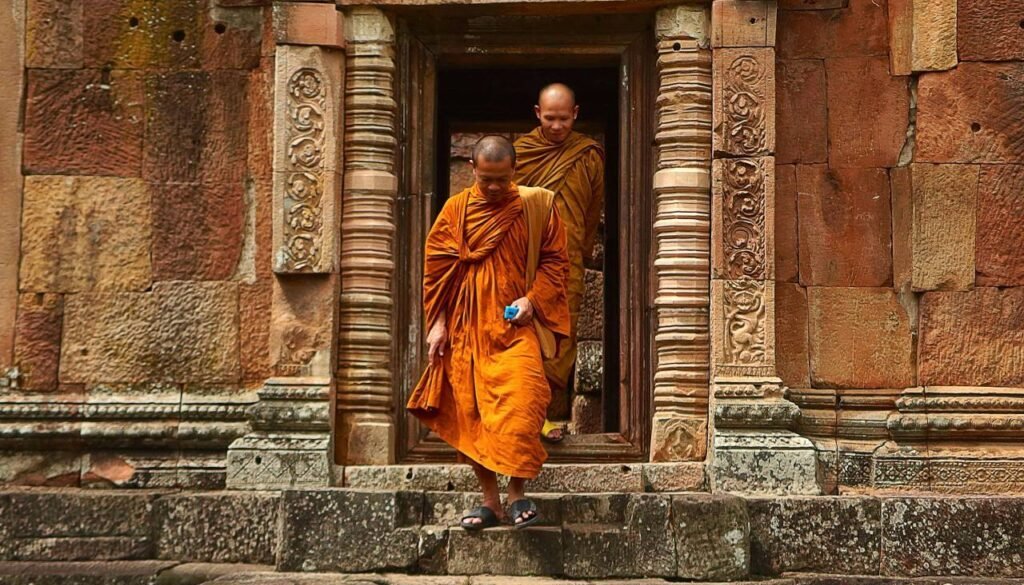
Beyond the Beaches: Exploring the Cultural Heart of Thailand
I embark on a journey to explore the cultural richness of Thailand, delving into its rich history, vibrant cities, and traditional communities.

Thailand is often associated with its beautiful beaches, but there’s so much more to discover beyond the coastlines. As I travel through this fascinating country, I experience the authentic Thailand, from ancient kingdoms to modern cities, and from sacred temples to bustling markets.
Klook – Tours, activities & passes
Trip.com – Hotels, flights & packages
Key Takeaways
- Discover the rich cultural heritage of Thailand
- Explore ancient kingdoms and historical sites
- Experience the vibrant cities and traditional communities
- Visit sacred temples and bustling markets
- Learn about the authentic Thailand beyond the tourist trail
The Land of Smiles: Thailand’s Cultural Richness
As I delve into Thailand’s cultural landscape, I’m struck by the richness that lies beyond its famous beaches. Thailand’s cultural heritage is a multifaceted gem, reflecting its complex history, deep-rooted traditions, and spiritual practices that permeate everyday life.

Klook – Tours, activities & passes
Trip.com – Hotels, flights & packages
A Nation Shaped by History and Tradition
Thailand’s history has played a pivotal role in shaping its cultural identity. From the ancient kingdoms of Sukhothai and Ayutthaya to the modern cities that now thrive, each era has contributed to the rich cultural tapestry. The influence of these historical periods is evident in Thailand’s architecture, art, and cultural practices.
The Spiritual and Social Fabric of Thai Society
At the heart of Thai society is Buddhism, which profoundly influences daily life and cultural norms. The spiritual fabric of Thailand is interwoven with its social structure, with temples and religious ceremonies playing a central role in community life. This spiritual foundation contributes to the warm hospitality and respect for tradition that characterizes Thai culture.
Why Cultural Exploration Offers a Deeper Thailand Experience
Venturing beyond Thailand’s beaches allows visitors to engage with the country’s authentic cultural heritage. By exploring historical sites, participating in local traditions, and experiencing the spiritual practices of Thai society, travelers can gain a more profound understanding of this captivating country and its people.
Ancient Kingdoms: Thailand’s Historical Legacy
Delving into Thailand’s past, I discovered that the ancient kingdoms of Sukhothai, Ayutthaya, and Lanna are the cornerstones of the country’s cultural authenticity. These historical realms have left an indelible mark on the nation’s identity, shaping its traditions, architecture, and art.
Sukhothai: Birthplace of Thai Civilization
Sukhothai, known as the birthplace of Thai civilization, is home to some of the most impressive historical sites in Thailand. The Sukhothai Historical Park is a testament to the kingdom’s former glory, with its stuccoed walls and Buddhist monuments. As I walked through the park, I was struck by the sophistication and craftsmanship of the ancient Thais.

Klook – Tours, activities & passes
Trip.com – Hotels, flights & packages
Ayutthaya: The Cosmopolitan Former Capital
Ayutthaya, once a cosmopolitan capital, boasts numerous historical sites that reflect its diverse cultural influences. The Ayutthaya Historical Park is a UNESCO World Heritage Site, featuring ancient temples and palaces that showcase the kingdom’s rich heritage. Some of the must-visit sites include:
- Wat Phra Si Sanphet
- Wat Mahathat
- Wat Chaiwatthanaram
Lanna Kingdom: Northern Thailand’s Distinct Cultural Identity
The Lanna Kingdom in northern Thailand has a distinct cultural identity, shaped by its history and geography. Chiang Mai and Chiang Rai are two cities that offer a glimpse into this unique heritage through their historical sites and cultural practices.
Historical Sites in Chiang Mai and Chiang Rai
Some of the notable historical sites in Chiang Mai include Wat Phra That Doi Suthep and the Chiang Mai Old City moat. Chiang Rai, on the other hand, is home to the White Temple (Wat Rong Khun) and the Black House (Baan Dam Museum). These sites showcase the region’s rich cultural heritage and its significance in Thailand’s cultural landscape.
Sacred Spaces: Temples and Religious Sites
As I delve into the heart of Thailand, I discover that its cultural identity is deeply intertwined with its sacred spaces. Thailand’s temples and religious sites are not just places of worship but also repositories of history, art, and culture.
Bangkok’s Grand Palace and Emerald Buddha
The Grand Palace in Bangkok is one of Thailand’s most iconic landmarks, housing the revered Emerald Buddha. This sacred site is a must-visit destination for anyone looking to understand the spiritual and cultural fabric of Thailand. The intricate architecture and the historical significance of the Emerald Buddha make it a fascinating experience.
Chiang Mai’s Temple Circuit: Doi Suthep and Beyond
Chiang Mai’s temple circuit, led by the iconic Doi Suthep, offers a glimpse into the region’s spiritual practices. The whitewashed chedi of Doi Suthep, perched on a mountain peak, is a striking sight, and the surrounding forests add to the serenity of the experience.
Lesser-Known Temple Experiences Worth Seeking Out
Beyond the well-known sites, Thailand is home to numerous lesser-known temples that are worth exploring. These temples, often located in rural areas, offer a more intimate and authentic experience, showcasing the diversity of Thai religious practices.
Proper Temple Etiquette for Visitors
When visiting Thailand’s temples, it’s essential to observe proper etiquette. This includes dressing modestly, removing shoes when required, and being respectful of the local customs and practices. By doing so, visitors can ensure a meaningful and respectful experience.
Exploring Thailand’s sacred spaces provides a deeper understanding of its cultural and spiritual identity, going beyond the typical tourist attractions and offering a more nuanced experience of historical Thailand.
Beyond the Beaches: Exploring the Cultural Heart of Thailand
Beyond the sun-kissed beaches, Thailand’s cultural heart beats strong, offering a depth of experience that captivates the curious traveler. While Thailand’s coastline is renowned, the country’s true essence lies in its vibrant culture and historical heritage.
Moving Past Thailand’s Beach Reputation
Thailand’s beach destinations, while beautiful, represent just a fraction of the country’s appeal. To truly experience Thailand, one must delve into its cultural fabric, exploring ancient temples, bustling markets, and traditional communities.
Creating a Culture-Focused Thailand Itinerary
Crafting an itinerary that highlights Thailand’s cultural treasures involves visiting historical sites like Sukhothai and Ayutthaya, immersing oneself in the urban culture of Bangkok, and experiencing the traditional ways of life in rural villages. This approach allows travelers to engage deeply with the local culture, fostering a more authentic connection with the country.
Best Seasons for Cultural Exploration
The best time for cultural exploration in Thailand is during the cooler months, from November to February, when festivals and celebrations are in full swing. This period offers a unique opportunity to witness Thai culture in all its vibrancy, from the water fights of Songkran to the lantern releases of Loy Krathong.
By venturing beyond the beaches and into the heart of Thailand, travelers can discover the authentic Thailand, a land rich in history, culture, and natural beauty. Whether it’s exploring ancient ruins, participating in local festivals, or simply enjoying the local cuisine, Thailand offers a wealth of experiences that make for a truly unforgettable journey.
Urban Exploration: Thailand’s Culturally Rich Cities
As I wander through Thailand’s cities, I’m struck by the vibrant cultural tapestry that surrounds me. Thailand’s urban landscapes offer a wealth of cultural experiences, from historic temples to modern art spaces.
Bangkok: Navigating the Capital’s Cultural Landmarks
Bangkok, the capital city, is a blend of tradition and modernity. Grand Palace and Wat Arun are must-visit cultural landmarks. The city’s cultural richness is also reflected in its numerous museums and art galleries.
Chiang Mai: Northern Cultural Hub and Creative Center
Chiang Mai is known for its vibrant cultural scene, with Doi Suthep being a key cultural and spiritual landmark. The city is also a hub for creative activities, with numerous art spaces and craft villages.
Smaller Cities with Significant Cultural Heritage
Cities like Ayutthaya and Kanchanaburi have significant cultural heritage, with historical sites and traditional practices to explore.
Local Transportation Tips for Urban Exploration
Understanding local transportation is key to exploring these cities. Bangkok has an efficient Skytrain system, while Chiang Mai is easily navigable by tuk-tuk or bicycle.
| City | Main Cultural Attractions | Transportation |
|---|---|---|
| Bangkok | Grand Palace, Wat Arun | Skytrain, Taxi |
| Chiang Mai | Doi Suthep, Art Spaces | Tuk-tuk, Bicycle |
| Ayutthaya | Historical Sites | Train, Bicycle |
Rural Thailand: Village Life and Traditional Communities
As I venture into rural Thailand, I’m met with landscapes and communities that have remained largely unchanged for centuries. This region offers a unique glimpse into the traditional way of life, far removed from the tourist trails and bustling cities.
Authentic Homestays and Community-Based Tourism
One of the most rewarding experiences in rural Thailand is staying in an authentic homestay. Here, I live with local families, sharing meals and daily activities, which provides a deep insight into their culture and traditions. Community-based tourism initiatives also allow me to participate in local crafts, farming, and cooking, enriching my understanding of rural Thai life.
Hill Tribes of Northern Thailand: Respectful Visits
Northern Thailand is home to various hill tribes, each with their distinct culture and traditions. Visiting these communities respectfully, I learn about their unique practices, such as traditional farming methods and handicrafts. It’s essential to approach these visits with sensitivity, respecting local customs and contributing to the community through responsible tourism practices.
Floating Markets and River Communities of Central Thailand
The floating markets and river communities of central Thailand are a testament to the region’s rich cultural heritage. Here, I experience the vibrant colors and sounds of vendors selling everything from fresh produce to handicrafts. These communities have thrived along the rivers for generations, offering a glimpse into a traditional way of life that is both fascinating and serene.
Isaan: Experiencing Thailand’s Rural Northeast
Isaan, the rural northeast of Thailand, is a region that is often overlooked by tourists but is rich in cultural heritage and natural beauty. The local cuisine, festivals, and traditional practices make Isaan a unique destination. By exploring this region, I gain a deeper appreciation for the diversity and complexity of Thai culture.
In conclusion, rural Thailand offers a wealth of experiences that showcase the country’s traditional communities and landscapes. From authentic homestays to visits to hill tribes and floating markets, there’s much to explore and learn in this beautiful region.
Klook – Tours, activities & passes
Trip.com – Hotels, flights & packages
Festivals and Celebrations: Thailand’s Living Heritage
Thailand’s festivals are a kaleidoscope of colors, sounds, and emotions that embody the country’s vibrant spirit. As a traveler, participating in these events offers a unique glimpse into the authentic Thailand, showcasing the nation’s rich cultural diversity.
Songkran: Participating in the Thai New Year
Songkran, the Thai New Year, is a water-filled celebration that marks the beginning of the new year. It’s a time for renewal, reflection, and joyous revelry. I recall the exhilaration of being drenched in water by locals and fellow travelers alike, a truly unforgettable experience that symbolizes the washing away of sins and bad fortune.
Loy Krathong and Yi Peng: Festivals of Light
Loy Krathong and Yi Peng are festivals of light that take place across Thailand, where lanterns are released onto rivers and streams, creating a breathtaking spectacle. The beauty of these festivals lies in their serene and spiritual ambiance, as people come together to make wishes and pay respects to the Buddha.
Regional Celebrations and Local Festivals
Regional celebrations and local festivals offer a unique insight into the cultural practices of different communities. From the Phi Ta Khon (Ghost Festival) in Dan Sai, Loei Province, to the Loy Krathong celebrations in Chiang Mai, each region has its distinct flavor and traditions.
Planning Your Trip Around Festival Dates
To experience the authentic Thailand, it’s essential to plan your trip around festival dates. Here’s a table highlighting some key festivals and their typical dates:
| Festival | Date | Location |
|---|---|---|
| Songkran | April 13-15 | National |
| Loy Krathong | Full moon day in November | National |
| Yi Peng | Full moon day in November | Chiang Mai |
By timing your visit to coincide with these festivals, you’ll gain a deeper understanding of Thailand’s cultural heritage and create unforgettable memories.
Culinary Journey: The Art of Thai Cuisine
As I explore Thailand’s culinary landscape, I discover the unique flavors and cooking techniques that define its regions. Thai cuisine is renowned for its bold flavors and spices, reflecting the country’s cultural diversity and rich heritage.
Regional Flavors: Northern, Central, Isaan, and Southern Specialties
Thailand’s culinary identity is shaped by its four main regions, each offering distinct flavors and specialties. Northern Thai cuisine is known for its hearty dishes like Khao Soi, a curried noodle soup. Central Thailand is famous for its Tom Yum soup and other dishes that balance sweet, sour, salty, and spicy flavors. Isaan cuisine, influenced by Laos and Cambodia, is characterized by its spicy and sour flavors, with popular dishes like Som Tam (papaya salad). Southern Thai cuisine is known for its spicy curries and fresh seafood.
| Region | Signature Dish | Key Ingredients |
|---|---|---|
| Northern | Khao Soi | Curried noodle soup, boiled egg noodles, braised beef or chicken |
| Central | Tom Yum | Shrimp, lemongrass, lime leaves, galangal, chilies |
| Isaan | Som Tam | Papaya, chilies, peanuts, tomatoes, fish sauce |
| Southern | Massaman Curry | Beef or chicken, Massaman curry paste, coconut milk, potatoes, peanuts |
Hands-On Learning: Cooking Schools and Food Tours
To truly understand the art of Thai cooking, participating in a cooking school or food tour is highly recommended. These experiences offer a hands-on opportunity to learn about different cooking techniques and ingredients. Many cooking schools start with a visit to local markets to select fresh ingredients, followed by a cooking class where participants learn to prepare traditional Thai dishes.
Street Food Culture: Markets and Vendor Etiquette
Street food is an integral part of Thai cuisine, with bustling markets and vendors offering a wide range of dishes. When enjoying street food, it’s essential to be mindful of vendor etiquette, such as ordering politely and being patient. Understanding basic Thai phrases can also enhance the experience.
Dietary Considerations and Food Safety Tips
When exploring Thai cuisine, visitors should be aware of dietary considerations and food safety tips. For those with specific dietary needs, it’s advisable to learn key Thai phrases related to food allergies or preferences. Ensuring that food is cooked thoroughly and being cautious with raw or undercooked items can help prevent foodborne illnesses.
Arts and Crafts: Thailand’s Creative Traditions
Exploring Thailand’s arts and crafts reveals a deep understanding of the country’s cultural identity. Thailand’s creative traditions are a reflection of its rich cultural heritage, encompassing various art forms that have been passed down through generations.
Traditional Performing Arts
Traditional performing arts like Khon and Likay are integral to Thai culture. Khon, a masked dance-drama, depicts scenes from the Ramakien, Thailand’s version of the Ramayana. Likay, a more folk-oriented performance, often tells stories of love and moral lessons. Regional dances also play a significant role in showcasing the diversity of Thai culture.
Handicraft Villages and Artisanal Shopping
Visiting handicraft villages provides a unique opportunity to witness artisans at work, creating beautiful and intricate crafts. From celadon ceramics to hand-woven textiles, these crafts are not only aesthetically pleasing but also carry significant cultural value. Artisanal shopping allows visitors to take a piece of authentic Thailand back home.
Contemporary Thai Art
Contemporary Thai art is a vibrant and evolving scene, with numerous galleries and creative spaces showcasing the work of local artists. This modern art form often blends traditional themes with contemporary styles, offering a fresh perspective on historical Thailand.
By exploring Thailand’s arts and crafts, one can gain a deeper appreciation for the country’s cultural richness and creative traditions.
Conclusion: Embracing the Authentic Thailand
As I reflect on the journey through Thailand’s cultural heart, I’m reminded of the richness and diversity that this country embodies. From ancient kingdoms to modern cities, and from sacred temples to vibrant festivals, Thailand is a nation steeped in tradition and culture. By delving into the authentic Thailand, visitors can experience a depth and complexity that transcends the typical tourist trail.
Exploring cultural Thailand through its landmarks, cuisine, and natural beauty offers a unique travel experience. Whether you’re drawn to the bustling streets of Bangkok, the serene landscapes of rural Thailand, or the cultural heritage sites, Thailand travel has something to offer every traveler. I encourage you to venture beyond the beaches and immerse yourself in the cultural heart of Thailand, where the true essence of this enchanting country awaits.
FAQ
What are the best ways to experience the cultural heart of Thailand?
To experience the cultural heart of Thailand, I recommend exploring ancient kingdoms, visiting sacred temples, and participating in traditional festivals and celebrations. You can also visit rural villages and participate in authentic homestays to gain a deeper understanding of Thai culture.
What are some must-visit cultural destinations in Thailand?
Some must-visit cultural destinations in Thailand include Bangkok’s Grand Palace, Chiang Mai’s temple circuit, and the ancient cities of Sukhothai and Ayutthaya. You can also visit the hill tribes of northern Thailand and explore the floating markets and river communities of central Thailand.
How can I create a culture-focused itinerary for my trip to Thailand?
To create a culture-focused itinerary, I suggest planning your trip around traditional festivals and celebrations, such as Songkran and Loy Krathong. You can also visit cultural landmarks, take cooking classes, and participate in local tours that showcase Thai culture and traditions.
What are some tips for visiting temples and sacred sites in Thailand?
When visiting temples and sacred sites, it’s essential to dress modestly, remove your shoes when required, and be respectful of local customs and traditions. You should also be mindful of your surroundings and avoid taking pictures or behaving in a way that might be considered disruptive or disrespectful.
What are the best seasons to visit Thailand for cultural exploration?
The best seasons to visit Thailand for cultural exploration are typically during the cooler months, from November to February, when festivals and celebrations take place. This is also a great time to visit rural villages and participate in traditional activities.
How can I experience authentic Thai cuisine?
To experience authentic Thai cuisine, I recommend taking cooking classes, visiting local markets, and trying street food from vendors. You can also visit restaurants that serve regional specialties and participate in food tours that showcase the diversity of Thai cuisine.
What are some tips for respectful visits to hill tribes and rural communities?
When visiting hill tribes and rural communities, it’s essential to be respectful of local customs and traditions. You should dress modestly, remove your shoes when required, and be mindful of your surroundings. You should also be respectful of local leaders and avoid taking pictures or behaving in a way that might be considered disruptive or disrespectful.
Klook – Tours, activities & passes
Trip.com – Hotels, flights & packages