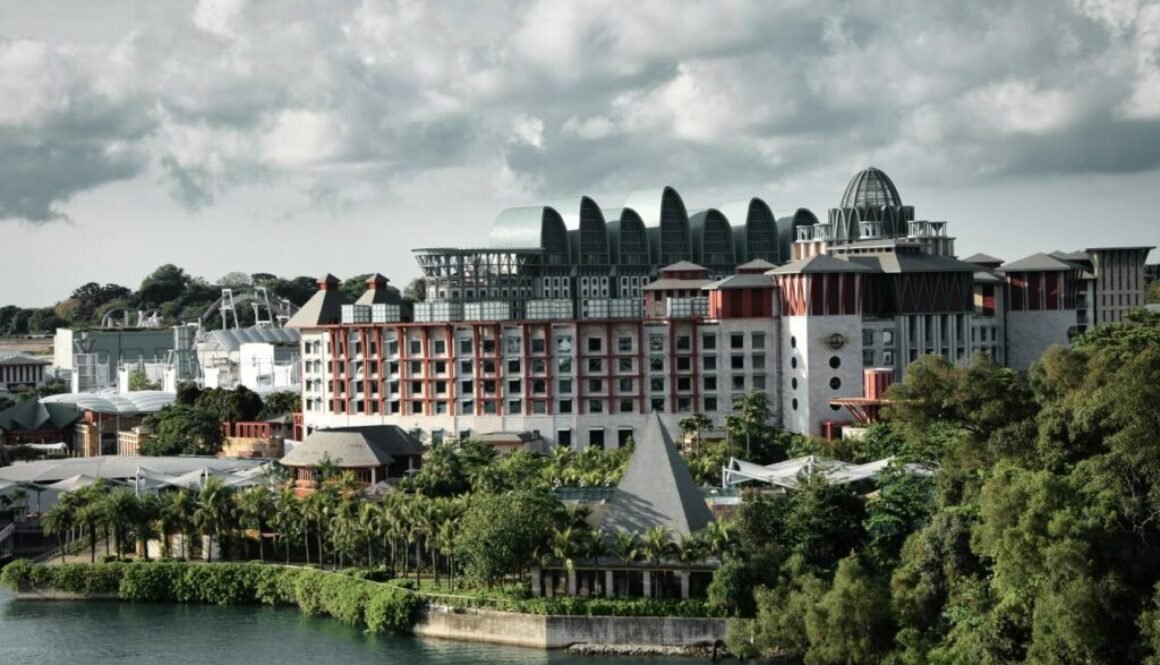
As I embarked on my journey to Singapore, I was excited to explore the city-state’s top attractions. From the thrill of Sentosa Island to the serene beauty of Gardens by the Bay, Singapore has something for every traveler.
In this article, I will share my experience and guide you through the best places to visit, things to do, and food to try in Singapore. Whether you’re looking for a 4-day Singapore itinerary or just seeking inspiration for your trip, I’ve got you covered.
Key Takeaways
Explore the thrill of Sentosa Island
Discover the serene beauty of Gardens by the Bay
Plan your 4-day Singapore itinerary
Experience the best of Singapore’s food scene
Visit top attractions in Singapore
Singapore: The Perfect Destination for a Short Getaway
With its unique blend of cultures and modern attractions, Singapore is an ideal destination for a short trip. As a traveler, I’m always drawn to places that offer a mix of excitement, cultural experiences, and relaxation—and Singapore delivers on all fronts.
Why Singapore Attracts Millions of Visitors Annually
Singapore’s appeal lies in its multicultural heritage, cutting-edge architecture, and vibrant cultural scene. The city-state is home to iconic landmarks like Marina Bay Sands and Gardens by the Bay, which are must-visits for any traveler.
Attraction
Description
Location
Marina Bay Sands
Iconic hotel and casino complex with observation deck
Marina Bay
Gardens by the Bay
Spanning 101 hectares, featuring Supertree Grove and floral displays
Bay South
Overview of Singapore’s Unique Blend of Cultures
Singapore’s cultural diversity is one of its most striking features. The city is a melting pot of Chinese, Malay, Indian, and Eurasian influences, reflected in its food, festivals, and daily life. From the vibrant streets of Chinatown to the colorful temples of Little India, Singapore’s cultural landscape is a delight to explore.
Planning Your Singapore Free-Independent Trip: Essential Travel Tips
As I prepared for my Singapore trip, I discovered that having the right travel tips is crucial to making the most of your time in this vibrant city-state. With its multicultural heritage and modern amenities, Singapore offers something for everyone.
Best Time to Visit Singapore
Singapore’s climate is warm and humid year-round, but the best time to visit is during the dry season, from February to April. This period offers the most comfortable weather for exploring the city’s many attractions.
Currency, Language, and Practical Information
The official currency is the Singapore Dollar (SGD), and English is one of the four official languages, making communication easy for most tourists. Singapore is also one of the safest cities in the world, with low crime rates and a high level of public safety.
Getting to your destination from Changi Airport is convenient, with several options including the MRT (Mass Rapid Transit), taxis, and ride-sharing services. The MRT is a cost-effective and efficient way to reach most parts of the city.
Transportation Mode
Approximate Cost (SGD)
Travel Time to City Center
MRT
$2.30 – $3.00
30 – 45 minutes
Taxi
$20 – $30
30 – 60 minutes
Ride-Sharing
$15 – $25
30 – 60 minutes
By understanding these essential tips, you can better plan your Singapore itinerary and enjoy a hassle-free trip.
Getting Around Singapore: Transportation Guide
Navigating Singapore is a breeze thanks to its comprehensive transportation network. The city-state boasts an efficient and reliable public transport system, making it easy for visitors to explore its many attractions.
MRT and Public Bus System
The Mass Rapid Transit (MRT) system is the backbone of Singapore’s transport network. With extensive coverage, it reaches most parts of the city. The MRT is fast, clean, and affordable. The public bus system complements it, offering access to areas not covered by the MRT.
Tourist Passes and EZ-Link Cards
Tourists can purchase a Singapore Tourist Pass (STP), offering unlimited MRT and bus travel for a fixed period. Alternatively, the EZ-Link Card is a rechargeable option for convenient pay-per-ride travel.
Ride-Sharing and Taxi Options
Ride-sharing services like Grab are widely available, offering comfortable and direct rides. Taxis are also plentiful, though generally more expensive. Both are great for short trips or group travel.
Day 1: Marina Bay Highlights and City Skyline
My first day in Singapore began at Marina Bay, where I was immediately captivated by its grandeur and modern beauty.
Marina Bay Sands and SkyPark Observation Deck
I started at the iconic Marina Bay Sands, heading straight to the SkyPark Observation Deck. The panoramic skyline view from 57 stories high was breathtaking. On clear days, you can even see the surrounding islands.
Interactive displays provide insight into Singapore’s development—making this both an educational and visually stunning experience.
Merlion Park and Esplanade
Next, I visited Merlion Park, home to Singapore’s famous half-lion, half-fish statue symbolizing its origins as a fishing village. The view is especially picturesque at sunset. Nearby, the Esplanade – Theatres on the Bay impressed me with its unique durian-shaped design, a hallmark of Singapore’s vibrant arts scene.
Evening Light Shows at Marina Bay
The day ended with the Marina Bay Sands Light and Water Show, a dazzling spectacle of lights, music, and water effects. The show runs daily and is a must-see highlight for any visitor.
Day 2: Singapore Attractions – Sentosa Island Adventures
My second day was dedicated to Sentosa Island, Singapore’s playground of fun, beaches, and entertainment.
How to Get to Sentosa Island
You can reach Sentosa via the Sentosa Express monorail from VivoCity, by car or taxi, or via a scenic cable car ride from HarbourFront Centre that offers stunning aerial views.
Universal Studios Singapore
The highlight was Universal Studios Singapore, featuring seven themed zones with thrilling rides and shows. Popular attractions include Transformers: The Ride 3D and Shrek 4-D Adventure.
Ticket Type
Price (SGD)
Benefits
1-Day Pass
$76–$80
Access to all rides and attractions
2-Day Pass
$120–$130
Visit on two consecutive days
Express Pass
$40–$60
Skip regular lines for popular rides
S.E.A. Aquarium and Adventure Cove Waterpark
I also visited the S.E.A. Aquarium, home to over 100,000 marine animals, and the Adventure Cove Waterpark, offering slides and a lazy river for a fun-filled day.
Beaches and Evening Entertainment
Sentosa’s beaches, such as Siloso Beach, offer relaxation and water sports. In the evening, the Wings of Time show features lights, music, and pyrotechnics over the sea—a perfect way to end the day.
Day three was all about nature and innovation at Gardens by the Bay, one of Singapore’s most futuristic attractions.
Cloud Forest and Flower Dome
The Cloud Forest features a 35-meter indoor mountain covered in lush greenery, replicating the cool misty climate of tropical highlands. The Flower Dome showcases plants from around the world, including rare blooms and ancient baobabs.
Supertree Grove and OCBC Skyway
The Supertree Grove is a collection of towering tree-like structures that double as vertical gardens. I walked the OCBC Skyway, a 128-meter bridge connecting two Supertrees with panoramic views.
Garden Rhapsody Light Show
In the evening, the Garden Rhapsody light show turned the Supertrees into a mesmerizing symphony of color and sound.
Singapore Botanic Gardens and National Orchid Garden
Later, I learned about the Singapore Botanic Gardens, a UNESCO World Heritage Site, and its National Orchid Garden, which houses over 1,000 orchid species—another must-visit for nature lovers.
Day 4: Cultural Districts and Last-Minute Shopping
On my final day, I explored Singapore’s rich cultural districts, each with its own charm and heritage.
Chinatown Heritage and Temples
I began in Chinatown, visiting the Buddha Tooth Relic Temple and tasting local delicacies in hawker centers surrounded by vibrant street art.
Little India’s Vibrant Streets
Next was Little India, alive with colors, markets, and temples such as Sri Veeramakaliamman Temple. The area’s energy and diversity are unforgettable.
Kampong Glam and Sultan Mosque
In Kampong Glam, I admired the Sultan Mosque and explored Haji Lane, known for its indie boutiques and murals celebrating Malay culture.
Orchard Road Shopping Experience
I ended my journey at Orchard Road, Singapore’s premier shopping district filled with luxury malls and boutiques—the perfect place for last-minute souvenirs.
Cultural District
Key Attractions
Cultural Significance
Chinatown
Buddha Tooth Relic Temple, Street Market
Showcases Chinese heritage
Little India
Mustafa Centre, Hindu Temples
Represents Indian traditions
Kampong Glam
Sultan Mosque, Haji Lane
Highlights Malay culture
Singapore’s Food Scene: From Hawker Centers to Fine Dining
Singapore’s culinary landscape is a feast for the senses. Its diverse food scene blends traditional hawker fare with upscale dining.
Maxwell Food Centre and Chinatown Complex
At Maxwell Food Centre, I tried the famous Hainanese Chicken Rice, tender chicken served with fragrant rice. The Chinatown Complex offered more delights like laksa and char kway teow.
Lau Pa Sat and Satay Street
At Lau Pa Sat, I savored grilled satay skewers and local kopi coffee. The nearby Satay Street was alive with the aroma of barbecued meats and local desserts.
Must-Try Singaporean Dishes
Don’t miss Singapore’s signature dishes:
Chili Crab – spicy and rich
Hainanese Chicken Rice – a national favorite
Laksa – flavorful noodle soup with coconut milk
Kaya Toast – classic breakfast comfort
Kopi Culture and Local Desserts
Singapore’s kopi culture is a daily ritual, best enjoyed at traditional coffee shops. For dessert, try ice kachang or chendol for a refreshing sweet treat.
Conclusion: Memories from My 4 Days and 3 Nights in Singapore
Reflecting on my 4 days and 3 nights in Singapore, I’m filled with unforgettable memories. From the breathtaking Marina Bay skyline to the excitement of Sentosa Island, every experience showcased the city’s charm and diversity.
My Singapore itinerary offered the perfect mix of nature, culture, and modern entertainment. Whether you’re seeking a relaxing escape or an action-packed adventure, Singapore truly has something for everyone.
As I explore Tokyo, I’m drawn to its vibrant atmosphere and rich cultural heritage. Klook offers a range of activities that go beyond the typical theme park scene, allowing me to immerse myself in the city’s hidden gems.
I can book traditional kimono experiences, hands-on sushi-making classes, and late-night food tours with Klook, making my trip truly unforgettable. With so many unique activities available, I’m excited to plan my Tokyo adventure.
Key Takeaways
Discover Tokyo’s hidden gems with Klook’s unique activities
Book traditional kimono experiences and sushi-making classes
Explore Tokyo’s food scene with late-night food tours
Immerse yourself in Tokyo’s rich cultural heritage
Plan an unforgettable trip with Klook’s top Tokyo experiences
Beyond Theme Parks: Unique Klook Experiences in Tokyo You Can’t Miss
Klook’s curated experiences in Tokyo reveal the city’s lesser-known cultural gems, making for a more authentic visit. While the city’s theme parks are undeniably exciting, they are just the beginning of what Tokyo has to offer.
Tokyo’s cultural experiences are a rich tapestry of traditional and modern elements, from serene gardens and historic temples to cutting-edge fashion and innovative cuisine. Immersing yourself in these experiences allows for a deeper understanding and appreciation of the city’s unique cultural landscape.
Why Tokyo’s Cultural Experiences Deserve Your Attention
Tokyo’s cultural experiences are not just activities; they are gateways to understanding the heart and soul of the city. By participating in a traditional tea ceremony, for instance, you gain insight into the values of harmony, respect, and tranquility that are deeply rooted in Japanese culture.
The city’s cultural landscape is also marked by its evolving fashion trends, culinary innovations, and traditional arts. Engaging with these aspects through Klook’s curated experiences can make your visit to Tokyo truly unforgettable.
Cultural Experience
Description
Booking through Klook
Traditional Tea Ceremony
Participate in a serene tea ceremony, learning about the history and significance of this traditional Japanese ritual.
Easy, hassle-free booking
Kimono Rental
Wear a traditional kimono and explore historic districts, immersing yourself in the local culture.
Convenient, with various packages
Sushi Making Class
Learn the art of sushi making from experienced chefs, a hands-on culinary experience.
Seamless booking, with options for different skill levels
How Klook Makes Booking Authentic Experiences Seamless
Klook simplifies the process of booking cultural experiences in Tokyo, offering a user-friendly platform where you can discover, compare, and book a wide range of activities. From traditional tea ceremonies to sushi-making classes, Klook’s platform is designed to make your planning process as smooth as possible.
With Klook, you can secure your bookings in advance, ensuring that you don’t miss out on popular experiences. The platform also provides valuable insights and reviews from other travelers, helping you make informed decisions about your cultural experiences in Tokyo.
Traditional Kimono Experiences: Walking Through Tokyo in Style
Tokyo, a city where tradition meets modernity, offers a unique opportunity to experience the elegance of traditional Japanese culture by wearing a kimono. With Klook, you can immerse yourself in this quintessential experience, available in various locations throughout the city.
Wearing a traditional kimono allows you to step back in time while exploring Tokyo’s vibrant streets. From historic districts like Asakusa to modern fashion hubs like Harajuku, Klook’s kimono rental options provide a unique perspective on the city’s diverse neighborhoods.
Top Kimono Rental Locations in Tokyo
Tokyo offers numerous kimono rental locations, each with its unique charm. Two of the most popular areas are Asakusa and Harajuku.
Asakusa’s Premier Kimono Shops
Asakusa, known for its historic Senso-ji Temple, offers a traditional backdrop for your kimono experience. Here, you can rent kimonos that reflect the area’s traditional atmosphere, complete with accessories that enhance your cultural immersion.
Harajuku’s Modern Kimono Experiences
In contrast, Harajuku provides a modern twist on the traditional kimono experience. You can find kimonos with contemporary designs and styles that blend perfectly with the area’s fashionable vibe.
My Personal Experience Wearing a Kimono in Historic Districts
I had the pleasure of wearing a kimono in some of Tokyo’s most historic districts, and it was truly an unforgettable experience. The feeling of walking through ancient temples and traditional streets while dressed in a beautiful kimono added a layer of depth to my exploration of the city.
Photography Packages and Special Seasonal Options
To make your kimono experience even more special, Klook offers photography packages. You can capture your memories with professional photos, taken in some of Tokyo’s most picturesque locations. Additionally, seasonal options are available, allowing you to tailor your experience to the time of year you visit.
Master the Art of Sushi: Hands-On Cooking Classes
In the heart of Tokyo, mastering the art of sushi is an experience like no other. With Klook’s sushi-making classes, you can dive into the world of Japan’s most iconic dish and learn the techniques that have been passed down through generations.
Best Sushi-Making Workshops Available on Klook
Klook offers a variety of sushi-making workshops that cater to different skill levels and interests. From beginner-friendly classes to more advanced sessions, you can choose the one that suits you best. Some popular options include:
Hands-on sushi-making classes with expert instructors
Classes that focus on specific types of sushi, such as maki or nigiri
Workshops that include a visit to a local sushi restaurant or market
What to Expect During a Tokyo Sushi Class
During a Tokyo sushi class, you can expect to learn the fundamentals of sushi-making, from preparing the ingredients to creating beautiful and delicious sushi. Here’s a breakdown of what you can expect:
Ingredients and Techniques You’ll Learn
You will learn about the different types of ingredients used in sushi-making, including sushi rice, nori seaweed, and various fillings. You’ll also master techniques such as preparing sushi rice, handling fish, and rolling sushi.
Taking Your Skills Home
After the class, you’ll be able to take your newfound skills home and impress your friends and family with your sushi-making abilities. Many classes also provide a take-home package with ingredients and recipes.
Class Type
Duration
Price
Beginner
2 hours
$80
Advanced
3 hours
$120
Specialty
4 hours
$150
Family-Friendly vs. Professional-Level Classes
Klook’s sushi-making classes cater to a wide range of audiences, from families with children to professional chefs. Depending on your interests and skill level, you can choose a class that suits you best. Family-friendly classes are designed to be fun and engaging for all ages, while professional-level classes provide more in-depth training for those looking to refine their skills.
Tokyo After Dark: Unforgettable Night Food Tours
Tokyo’s culinary scene transforms at night, offering a world of flavors that can be explored through Klook’s night food tours. As I discovered, the city’s food culture is just as vibrant after dark as it is during the day, with a range of delicious options to try.
Klook’s night food tours take you on a culinary journey through Tokyo’s hidden alleys and popular districts. Whether you’re a food enthusiast or just looking for a unique experience, these tours are a great way to experience Tokyo’s culinary delights.
Exploring Shinjuku’s Hidden Food Alleys
One of the highlights of Klook’s night food tours is exploring Shinjuku’s hidden food alleys. Shinjuku is known for its vibrant atmosphere and diverse food options, ranging from traditional Japanese cuisine to modern fusion dishes. On this tour, you’ll discover hidden gems and local favorites that are off the beaten path.
Late-Night Ramen and Izakaya Experiences
For those who love ramen and izakaya, Klook’s night food tours offer a unique opportunity to experience Tokyo’s late-night food culture. You’ll visit popular ramen shops and izakayas, sampling the best dishes and drinks that Tokyo has to offer. From rich tonkotsu ramen to savory yakitori, your taste buds will be treated to a culinary adventure.
Shibuya and Roppongi After Hours Food Adventures
Klook’s night food tours also take you to Shibuya and Roppongi, two of Tokyo’s most popular districts after hours. In Shibuya, you’ll explore the famous Shibuya Crossing and sample local street food, while in Roppongi, you’ll experience the district’s upscale dining scene. These tours offer a unique perspective on Tokyo’s food culture, showcasing the diversity and complexity of the city’s culinary landscape.
Cultural Immersion: Tea Ceremonies and Traditional Arts
For those seeking a deeper connection with Japanese culture, Tokyo’s traditional arts and tea ceremonies provide a unique opportunity for cultural immersion. As I explored these experiences, I discovered the tranquility and richness they bring to a visit to Tokyo.
Authentic Tea Ceremony Experiences in Tokyo
Participating in a traditional Japanese tea ceremony is a serene and enlightening experience. With Klook, you can book authentic tea ceremonies in various Tokyo locations, each offering a unique glimpse into Japan’s cultural heritage. These ceremonies are typically conducted in traditional tea houses or cultural centers, providing an atmosphere of tranquility and respect for the tradition.
Learning Japanese Calligraphy with Local Masters
Japanese calligraphy, or shodou, is a revered art form that embodies the spirit of Japanese culture. By learning from local masters, you can gain insight into the techniques and philosophies behind this ancient art. Klook offers calligraphy classes where you can practice writing kanji characters with brush and ink, under the guidance of experienced instructors.
Ikebana (Flower Arrangement) and Taiko Drumming Classes
For a more diverse cultural experience, consider trying Ikebana, the traditional Japanese art of flower arrangement, or Taiko drumming, a dynamic form of Japanese drumming. With Klook, you can find classes that teach these traditional arts, allowing you to explore different facets of Japanese culture. Whether you’re arranging flowers or drumming to the rhythm of Taiko, these experiences are sure to be memorable.
Through these cultural immersion activities, you can develop a deeper appreciation for Tokyo’s cultural landscape. Whether it’s the tranquility of a tea ceremony, the artistry of calligraphy, or the energy of Taiko drumming, each experience offers a unique perspective on Japanese culture.
Off the Beaten Path: Unique Tokyo Neighborhoods Tours
Tokyo’s diverse neighborhoods are a treasure trove of unique experiences waiting to be discovered. With Klook’s neighborhood tours, you can explore beyond the popular tourist spots and delve into the authentic heart of Tokyo. From historic districts to trendy boutiques, each neighborhood offers a distinct flavor of the city.
Exploring Yanaka and Shimokitazawa with Local Guides
Yanaka and Shimokitazawa are two of Tokyo’s lesser-known neighborhoods that offer a glimpse into the city’s traditional and contemporary culture. With local guides, you can explore Yanaka’s old-town charm, including its historic temples and traditional shops. In Shimokitazawa, you’ll discover trendy boutiques and vintage clothing stores.
Experience the nostalgic atmosphere of Yanaka’s narrow streets.
Visit Shimokitazawa’s fashionable boutiques and cafes.
Learn about the history and culture of these unique neighborhoods from local guides.
Photography Tours of Tokyo’s Most Instagrammable Spots
For photography enthusiasts, Klook offers specialized tours that focus on Tokyo’s most Instagrammable spots. These tours are designed to help you capture the city’s vibrant atmosphere and unique landscapes. From neon-lit streets to serene gardens, you’ll have the opportunity to photograph Tokyo’s diverse scenery.
Key highlights include:
Capturing the city’s iconic landmarks and hidden gems.
Photographing Tokyo’s vibrant street life and cultural events.
Learning photography tips and techniques from experienced guides.
Specialty Tours: Anime Pilgrimages and Architecture Walks
Tokyo is a paradise for anime and architecture fans, with Klook offering specialty tours that cater to these interests. You can embark on an anime pilgrimage tour, visiting locations that inspired your favorite shows, or take an architecture walk, exploring the city’s unique building designs.
These tours provide a deeper understanding of Tokyo’s pop culture and architectural heritage, making for a memorable experience.
Culinary Adventures: Beyond Sushi Cooking Classes
Tokyo’s food culture is a treasure troem of flavors and techniques, and with Klook’s cooking classes, you can discover the art of Japanese cuisine beyond sushi. While sushi is undoubtedly a highlight, there are many more culinary delights to explore in this vibrant city.
One of the joys of cooking classes is the hands-on experience they provide. You get to engage directly with local chefs, learning the intricacies of various Japanese dishes. From the rich tonkotsu ramen of Kyushu to the delicate art of making traditional Japanese sweets (wagashi), there’s a cooking class for every interest.
Ramen and Gyoza Making Workshops
For those who love a good bowl of ramen, Klook’s ramen and gyoza making workshops are a must-try. These classes teach you how to prepare the rich broths, springy noodles, and perfectly pan-fried gyoza that are staples of Japanese cuisine. With the guidance of experienced chefs, you’ll learn the techniques behind these beloved dishes.
Wagashi (Traditional Japanese Sweets) Classes
Wagashi, or traditional Japanese sweets, are a delicate and artistic aspect of Japanese cuisine. In these classes, you’ll learn how to craft these beautiful sweets using natural ingredients and traditional methods. It’s a unique opportunity to explore the art and culture behind Japan’s tea ceremonies.
Bento Box Preparation and Food Styling Lessons
For a more modern take on Japanese cuisine, bento box preparation and food styling classes are a great way to learn about the aesthetics and functionality of Japanese meal presentation. You’ll discover how to create visually appealing and balanced meals, perfect for any occasion.
Cooking Class
Duration
Price
Ramen and Gyoza Making
2 hours
$80
Wagashi Making
1.5 hours
$60
Bento Box Preparation
2.5 hours
$100
Day Trips from Tokyo: Cultural Excursions Made Easy with Klook
Klook simplifies planning day trips from Tokyo, offering a gateway to Japan’s diverse cultural landscape. While Tokyo is a city with a wealth of cultural and entertainment options, there are also many great day trip destinations within reach.
With Klook, you can explore destinations like Nikko and Kamakura, experience the majesty of Mt. Fuji, and visit traditional villages, all within a day. These cultural excursions provide a deeper understanding of Japan’s heritage and are easily booked through Klook’s platform.
Nikko and Kamakura Cultural Day Tours
Nikko, with its ornate temples and shrines, and Kamakura, known for its historic significance and the Great Buddha statue, are must-visit destinations. Klook offers guided tours that make exploring these cities seamless.
Mt. Fuji and Traditional Village Experiences
No trip to Japan is complete without experiencing the majesty of Mt. Fuji. Klook’s day trips often include visits to traditional villages at the foot of Mt. Fuji, offering a glimpse into rural Japan.
Seasonal Experiences: Cherry Blossoms and Autumn Leaves Tours
Japan’s seasons are a major draw, with cherry blossoms in spring and autumn leaves in fall being particularly popular. Klook offers seasonal tours that capitalize on these natural wonders, ensuring a memorable day trip.
Destination
Highlights
Best Time to Visit
Nikko
Ornate temples and shrines
Spring, Autumn
Kamakura
Great Buddha statue, historic significance
Year-round
Mt. Fuji
Majestic mountain views, traditional villages
Spring, Summer
Conclusion: Creating Unforgettable Tokyo Memories Beyond the Ordinary
As I reflect on the diverse experiences Tokyo has to offer, it’s clear that the city is a treasure trove of unique adventures waiting to be explored. With Klook, you can immerse yourself in the heart of Tokyo, delving into a world beyond the typical theme park scene. From donning a traditional kimono and strolling through historic districts to mastering the art of sushi-making and savoring the city’s late-night food tours, Klook offers a gateway to authentic Tokyo experiences.
Whether you’re a food enthusiast, a culture vulture, or an adventure-seeker, Klook’s curated selection of activities ensures that you’ll create lasting Tokyo memories. By choosing Klook, you’re not just booking a tour or class; you’re investing in a deeper understanding and appreciation of Tokyo’s vibrant culture and heritage. So, as you plan your Tokyo itinerary, consider the unique experiences that await you with Klook, and get ready to forge unforgettable memories of your time in this captivating city.
FAQ
What are the top Tokyo experiences available on Klook?
Klook offers a range of unique experiences in Tokyo, including traditional kimono rentals, hands-on sushi-making classes, late-night food tours, and cultural immersion activities like tea ceremonies and Japanese calligraphy classes.
How do I book a kimono experience in Tokyo with Klook?
Booking a kimono experience with Klook is easy. Simply visit the Klook website, search for “kimono rental Tokyo,” and choose from a variety of options available in different locations throughout the city.
What can I expect during a sushi-making class in Tokyo?
During a sushi-making class in Tokyo, you can expect to learn the techniques and ingredients used to create delicious sushi. Classes are available for all skill levels, from beginner-friendly sessions to more advanced workshops.
Are Klook’s night food tours available for booking?
Yes, Klook’s night food tours are available for booking. These tours take you on a culinary journey through Tokyo’s hidden alleys and popular districts, sampling local cuisine and drinks.
Can I book cultural immersion activities like tea ceremonies with Klook?
Yes, Klook offers a range of cultural immersion activities, including traditional tea ceremonies, Japanese calligraphy classes, and ikebana (flower arrangement) lessons.
What day trip options are available from Tokyo with Klook?
Klook offers a range of day trip options from Tokyo, including cultural excursions to Nikko and Kamakura, as well as experiences that take you to Mt. Fuji and traditional villages.
Are cooking classes available on Klook beyond sushi-making?
Yes, Klook offers a range of cooking classes beyond sushi-making, including ramen and gyoza making workshops, wagashi (traditional Japanese sweets) classes, and bento box preparation and food styling lessons.
How do I book a photography tour in Tokyo with Klook?
To book a photography tour in Tokyo with Klook, simply visit the Klook website, search for “Tokyo photography tour,” and choose from a variety of options available, including tours that focus on the city’s most Instagrammable spots.
As I explore the iconic landscapes of Japan, I’m drawn to the majestic presence of Mt. Fuji, a must-see attraction for anyone traveling to Japan. With its symmetrical cone and serene surroundings, Mt. Fuji is a breathtaking sight that can be enjoyed from various vantage points near Tokyo.
From Tokyo, you can easily access top viewing spots and take part in guided tours that make your trip unforgettable. I’ll guide you through the best ways to experience Mt. Fuji, sharing insights on how to make the most of your visit.
Key Takeaways
Discover top Mt. Fuji viewing spots accessible from Tokyo
Explore guided tour options for a memorable experience
Learn how to make the most of your visit to Mt. Fuji
Understand the best times to visit for optimal viewing
The Iconic Symbol of Japan: Understanding Mt. Fuji
For centuries, Mt. Fuji has stood as a majestic sentinel, inspiring artists, poets, and travelers alike with its serene beauty and profound significance. As a cultural icon, Mt. Fuji has played a pivotal role in shaping Japan’s identity and heritage.
Mt. Fuji’s Cultural and Historical Significance
Mt. Fuji’s impact on Japanese culture is multifaceted. It has been a sacred site, inspiring spiritual practices and pilgrimages. The mountain’s majestic form has influenced various art forms, including ukiyo-e woodblock prints, literature, and poetry. For instance, the famous artist Hokusai’s works, such as “The Great Wave off Kanagawa,” feature Mt. Fuji prominently, showcasing its cultural significance.
Influence on art and literature
Sacred site for spiritual practices
Symbolism in Japanese identity
UNESCO World Heritage Status and Conservation
Mt. Fuji was designated a UNESCO World Heritage site in 2013, recognizing its cultural and natural significance. This status has brought attention to the need for conservation efforts to protect Mt. Fuji and its surrounding environment. Conservation initiatives focus on preserving the natural beauty and cultural heritage of the area, ensuring that Mt. Fuji remains a revered and protected site for future generations.
Key conservation efforts include:
Protection of natural habitats
Management of tourism to prevent environmental degradation
Preservation of cultural sites and historical artifacts
When to See Mt. Fuji: Seasonal Visibility Guide
Planning a trip to see Mt. Fuji requires understanding the best times for viewing this iconic mountain. The visibility of Mt. Fuji is influenced by various factors, including the time of year, weather conditions, and atmospheric clarity.
Best Months for Clear Views
The best months for viewing Mt. Fuji are typically during the winter season, from December to February. During this period, the air is generally clearer, offering unobstructed views of the mountain. January is often considered the best month due to the low humidity and clear skies.
In contrast, the summer months can be quite humid, reducing visibility. However, the summer season offers a different kind of beauty, with lush greenery surrounding the mountain.
Weather Patterns and Visibility Factors
Weather patterns play a significant role in determining Mt. Fuji’s visibility. High-pressure systems are associated with clear weather, while low-pressure systems can bring clouds and precipitation, obscuring the view.
Season
Weather Pattern
Visibility
Winter
High-pressure systems
High
Summer
Low-pressure systems, humidity
Low to Moderate
Spring
Variable
Moderate
Autumn
Generally clear
High
Apps and Resources for Checking Mt. Fuji Visibility
To plan your visit effectively, you can use various apps and resources to check Mt. Fuji’s visibility. Apps like Mt. Fuji Live Camera and WeatherNews provide real-time information on weather conditions and visibility.
By understanding the seasonal guide and utilizing these resources, you can maximize your chances of witnessing Mt. Fuji in all its glory.
Mt. Fuji from Tokyo: Best Viewing Spots and Tour Options
Visitors to Tokyo can easily plan a day trip or guided tour to see Mt. Fuji, Japan’s most iconic landmark. The proximity of Mt. Fuji to Tokyo makes it an attractive destination for travelers with limited time.
Overview of Distance and Accessibility
Mt. Fuji is approximately 100 km from Tokyo, making it accessible for a day trip or a longer stay. The most common ways to reach Mt. Fuji include trains, buses, and guided tours. The Fuji Excursion train is a popular option, offering a direct route from Tokyo’s Shinjuku Station to Kawaguchiko Station near Mt. Fuji.
Mode of Transport
Approximate Time
Cost
Fuji Excursion Train
2 hours
$15-$30
Highway Bus
2.5-3 hours
$10-$25
Guided Tour
Varies
$50-$150
Planning Your Mt. Fuji Experience
To make the most of your Mt. Fuji experience, consider the time of year and weather conditions. Spring and autumn are ideal for clear views. Booking a guided tour can simplify planning and provide additional insights into the area’s history and culture.
Tips for Visiting Mt. Fuji:
Check the weather forecast before heading out.
Consider purchasing a Japan Rail Pass for train travel.
Bring layers for changing weather conditions.
Book accommodations near Mt. Fuji for an early start.
Top Viewing Spots Within Tokyo City
Tokyo offers several vantage points for viewing Mt. Fuji, even from within the city. While the mountain is quite far, on clear days, it’s possible to catch a glimpse of its majestic peak from various elevated spots.
Tokyo Skytree Observation Decks
The Tokyo Skytree, at 634 meters tall, is the highest tower in the world and offers panoramic views of the city. On a clear day, Mt. Fuji can be seen from its observation decks. The Skytree is particularly popular during sunrise and sunset when the light enhances the view.
Tokyo Tower Viewpoints
Another iconic spot is the Tokyo Tower, which stands at 333 meters. Its observation decks provide a great view of the city, and on clear days, Mt. Fuji is visible. The tower is especially beautiful during twilight hours when it’s illuminated.
Metropolitan Government Building Observation Floors
The Tokyo Metropolitan Government Building has two observation floors, one on the 45th floor and another on the 55th floor, both offering free views of the city. While not as high as the Tokyo Skytree or Tokyo Tower, it still provides a good vantage point for seeing Mt. Fuji on a clear day.
Here’s a comparison of these viewing spots:
Viewing Spot
Height (meters)
Cost
Tokyo Skytree
634
$20-$30
Tokyo Tower
333
$10-$20
Metropolitan Government Building
202 (45th floor), 248 (55th floor)
Free
Best Viewing Locations in Tokyo’s Suburbs
For those willing to venture beyond Tokyo’s central districts, the suburbs reveal hidden gems for Mt. Fuji sightings. While the city offers various vantage points, the suburbs provide a more serene and less crowded experience.
Takao Mountain Viewpoints
Takao Mountain, located in Hachioji, is a popular destination for both hiking and viewing Mt. Fuji. The mountain offers several trails and viewpoints, with the summit providing a panoramic view of the surrounding landscape and, on clear days, a stunning vista of Mt. Fuji. The trail to the summit is well-marked and suitable for hikers of various skill levels. Visitors can enjoy the natural beauty of the area while experiencing the thrill of hiking in a less crowded environment compared to more central Tokyo locations.
Hachioji and Western Tokyo Views
Hachioji and the broader western Tokyo area are home to numerous spots that offer great views of Mt. Fuji. The area’s hills and mountains provide natural vantage points that are easily accessible by public transportation or car. Locations such as the Takiyama Road are renowned for their picturesque views, especially during the autumn foliage season when the changing leaves add a colorful backdrop to the iconic mountain.
Hidden Spots Locals Recommend
Locals often recommend exploring less-known areas such as the Tama Hills for unique perspectives on Mt. Fuji. These areas, while not as frequently visited by tourists, offer a genuine experience of suburban Tokyo and its natural beauty. Visiting these spots can provide a more authentic connection to the local culture and landscape. Exploring these hidden gems can be a rewarding experience for those looking to venture off the beaten path.
Located at the foot of Mt. Fuji, the Fuji Five Lakes region offers unparalleled scenic beauty. This area is a favorite among travelers and locals alike, providing numerous vantage points to admire the majestic mountain.
Lake Kawaguchiko Scenic Spots
Lake Kawaguchiko is the most accessible and popular of the Fuji Five Lakes, offering a variety of scenic spots. Visitors can enjoy a leisurely boat ride on the lake or hike around its shores. The lake’s shoreline is dotted with parks, hotels, and souvenir shops, making it a convenient destination for tourists.
The lake is particularly famous for its stunning views of Mt. Fuji during the sunrise and sunset. The reflection of the mountain on the lake’s surface creates a breathtaking panorama, ideal for photography.
Lakes Yamanaka, Saiko, Shojiko, and Motosuko
While Lake Kawaguchiko is the most visited, the other lakes in the Fuji Five Lakes region also offer unique experiences. Lake Yamanakako is known for its beautiful beaches and water sports. Lake Saiko offers caves to explore and is a great spot for camping. Lake Shojiko is famous for its swan boats, adding a touch of romance to the scenery. Lake Motosuko, the deepest of the five lakes, provides serene surroundings and is perfect for those seeking tranquility.
Lake
Main Attractions
Best Time to Visit
Lake Kawaguchiko
Boat rides, hiking trails
Sunrise, sunset
Lake Yamanakako
Beaches, water sports
Summer
Lake Saiko
Caves, camping sites
Autumn
Lake Shojiko
Swan boats, scenic walks
Spring, autumn
Lake Motosuko
Serene surroundings, fishing
Anytime
Seasonal Activities Around the Lakes
The Fuji Five Lakes region is a year-round destination, with each season offering unique activities. In the spring, visitors can enjoy cherry blossoms and festivals. Summer brings warm weather, ideal for swimming and water sports. Autumn is celebrated for its vibrant foliage, while winter offers a serene landscape and opportunities for snow sports.
Throughout the year, the region hosts various events and festivals, enhancing the visitor experience. Whether you’re interested in outdoor activities, cultural events, or simply enjoying nature, the Fuji Five Lakes region has something to offer.
Hakone Area: Combining Hot Springs with Mt. Fuji Views
With its picturesque landscapes and soothing hot springs, Hakone is the perfect destination to admire Mt. Fuji’s majesty. Located in the Fuji-Hakone-Izu National Park, Hakone offers a serene escape from the bustling city life of Tokyo.
Hakone Ropeway and Lake Ashi Viewpoints
The Hakone Ropeway provides a thrilling way to take in the breathtaking views of Mt. Fuji. As you soar above Lake Ashi, the majestic mountain is reflected perfectly in the lake’s calm waters, creating a picturesque scene. The ropeway offers multiple viewpoints, each providing a unique perspective on the surrounding landscape.
Owakudani Volcanic Valley Views
Owakudani Valley is another must-visit location in Hakone, known for its volcanic activity and hot springs. Visitors can witness the raw power of nature with steaming vents and hot springs, all while enjoying views of Mt. Fuji in the background.
Ryokan Experiences with Fuji Vistas
For a truly authentic Japanese experience, consider staying at a ryokan in Hakone. Many of these traditional inns offer rooms with private hot springs and stunning views of Mt. Fuji. Imagine relaxing in a hot spring bath while gazing at the majestic mountain – it’s a truly unforgettable experience.
In conclusion, Hakone is a haven that combines natural beauty, relaxation, and cultural experiences, making it an ideal destination for those looking to enjoy Mt. Fuji’s splendor.
Iconic Photography Locations for Mt. Fuji
Capturing Mt. Fuji’s majesty requires more than just a camera; it demands an understanding of the best locations and times to shoot. As a photographer, you’re likely drawn to the iconic views of Japan’s most famous mountain, and there are several spots that stand out for their exceptional vantage points.
Chureito Pagoda in Fujiyoshida
The Chureito Pagoda in Fujiyoshida is one of Japan’s most photographed locations, and for good reason. This beautiful pagoda, surrounded by cherry blossoms in spring and vibrant foliage in autumn, offers a stunning foreground to Mt. Fuji’s majestic peak. To capture the perfect shot, visit during the early morning or late afternoon when the light is soft and golden.
Oshino Hakkai Eight Ponds
Another picturesque location is Oshino Hakkai Eight Ponds, a tranquil village nestled at the foot of Mt. Fuji. The clear waters of the ponds reflect the mountain’s image, creating a mirror-like effect that’s perfect for photography. Spring and autumn are ideal times to visit, as the surrounding flora adds color and depth to your shots.
Photography Tips and Best Times of Day
When photographing Mt. Fuji, timing is everything. The best times of day are early morning and late afternoon, when the sun’s low angle casts a warm glow on the mountain. For a more dramatic effect, try capturing Mt. Fuji during the golden hour, just before sunset. Additionally, consider the season: spring brings cherry blossoms, summer offers clear skies, autumn provides vibrant foliage, and winter brings a serene, snowy landscape.
Location
Best Time to Visit
Photography Tips
Chureito Pagoda
Spring, Autumn
Early morning or late afternoon for soft light
Oshino Hakkai Eight Ponds
Spring, Autumn
Use reflections in the ponds for a unique perspective
Guided Tour Options from Tokyo to Mt. Fuji
Guided tours from Tokyo to Mt. Fuji cater to diverse interests and preferences, offering a hassle-free way to experience Japan’s iconic mountain. Whether you’re looking for a day trip or a more leisurely exploration, there’s a tour to suit your needs.
Full-Day Bus Tours and What They Include
Full-day bus tours are a popular option for visiting Mt. Fuji from Tokyo. These tours typically include round-trip transportation, a guided visit to the Fuji Five Lakes region, and sometimes stops at other local attractions like the Ohashi Bridge or the Mt. Fuji World Heritage Center. Some tours also offer additional activities such as a traditional Japanese lunch or a visit to a local craft shop.
Round-trip transportation from Tokyo
Guided tour of the Fuji Five Lakes region
Optional activities like traditional lunch or local crafts
Private Guide Services and Customized Experiences
For a more personalized experience, private guide services offer customized tours that can be tailored to your interests. Whether you’re interested in photography, history, or simply enjoying the scenic views, a private guide can enhance your Mt. Fuji experience. These services often include flexible itineraries, allowing you to spend as much time as you like at your preferred locations.
Benefits of Private Guides:
Customized itineraries
Expert knowledge of the area
Flexible scheduling to suit your preferences
Combination Tours with Hakone and Other Attractions
For those interested in exploring beyond Mt. Fuji, combination tours that include Hakone and other local attractions are an excellent choice. These tours often combine visits to Mt. Fuji with a cruise on Lake Ashi in Hakone, offering a comprehensive experience of the region’s natural beauty. Some tours may also include stops at hot springs or traditional ryokans, enhancing your cultural experience.
Cruise on Lake Ashi
Visit to hot springs or ryokans
Exploration of Mt. Fuji and surrounding areas
With these guided tour options, you can enjoy a stress-free and enriching experience visiting Mt. Fuji from Tokyo. Whether you choose a full-day bus tour, a private guide, or a combination tour, you’re sure to create lasting memories of Japan’s iconic mountain.
Transportation Guide: Getting from Tokyo to Mt. Fuji
The journey from Tokyo to Mt. Fuji offers a blend of convenience and scenic beauty, with various transportation choices. Whether you’re planning a day trip or a longer excursion, understanding your transport options is key to a smooth and enjoyable journey.
Train Options: JR Lines and the Fuji Excursion
One of the most convenient ways to travel from Tokyo to Mt. Fuji is by train. The JR Chuo Line and the Fujikyu Railway are popular options. The Fuji Excursion is a special train service that allows you to visit Mt. Fuji and the Fuji Five Lakes region without the need for multiple transfers. This service is particularly appealing to tourists as it includes a one-day pass for travel between Tokyo and the Mt. Fuji area.
For those using the JR Pass, you can take the JR Chuo Line to Otsuki and then transfer to the Fujikyu Railway to continue your journey to Kawaguchiko, one of the Fuji Five Lakes. This route offers scenic views and is a great way to experience the local culture.
Bus Services and Highway Buses
For a more budget-friendly option, consider using bus services. Highway buses operated by companies like Fujikyu Yamanashi Bus and Keio Bus offer direct services from Tokyo’s Shinjuku Station to various destinations around Mt. Fuji, including the Fuji Five Lakes region. These buses are equipped with comfortable seating and often provide onboard amenities.
Rental Car Tips and Scenic Driving Routes
Renting a car gives you the flexibility to explore the Mt. Fuji area at your own pace. The Chuo Expressway is a major route that connects Tokyo to the Mt. Fuji region. From there, you can take scenic routes such as the Subaru Line (also known as the Fujikyu Highway) for stunning views of Mt. Fuji. Be sure to check the weather and road conditions before you go, as some routes may be seasonal or subject to closure.
By choosing the right transportation method, you can ensure a hassle-free trip to Mt. Fuji from Tokyo, allowing you to focus on enjoying the breathtaking scenery and experiences that this iconic destination has to offer.
Climbing Mt. Fuji: Essential Information
Mt. Fuji, Japan’s tallest mountain, offers a unique climbing experience that combines physical challenge with breathtaking views. As I prepare to tackle this iconic peak, understanding the essential information is crucial for a successful and safe climb.
Climbing Season and the Four Main Trails
The climbing season for Mt. Fuji typically runs from early July to mid-September, with the official season usually starting on July 1st and ending on September 14th. During this period, the mountain is open to climbers, and facilities such as mountain huts are operational.
There are four main trails to the summit: Yoshida, Subashiri, Gotemba, and Fujinomiya. Each trail has its unique characteristics, with the Yoshida Trail being the most popular due to its well-developed infrastructure and scenic views.
Trail Name
Distance to Summit
Notable Features
Yoshida
14.5 km
Well-marked path, numerous mountain huts
Subashiri
14.2 km
Less crowded than Yoshida, scenic views
Gotemba
16.5 km
Longest trail, challenging terrain
Fujinomiya
12.5 km
Shortest trail, steep ascent
Physical Preparation and Required Gear
Climbing Mt. Fuji requires a good level of physical fitness. Climbers should be prepared for steep and rocky terrain, as well as unpredictable weather conditions.
Essential gear includes sturdy hiking boots, layers of clothing for varying temperatures, a first-aid kit, and a headlamp or flashlight.
Mountain Huts and Overnight Options
For those who prefer to climb over two days, mountain huts along the trails offer accommodation and meals. These huts range from basic to more comfortable options, with prices varying accordingly.
Booking in advance is highly recommended, especially during peak season.
Seasonal Activities and Festivals Around Mt. Fuji
From summer festivals to winter illuminations, the Mt. Fuji region is a year-round destination for travelers. The area around Mt. Fuji offers a diverse range of seasonal events and activities that showcase Japan’s rich culture and natural beauty.
Summer Festivals and Events
Summer is a vibrant season around Mt. Fuji, with numerous festivals taking place. The Fujiyoshida Fire Festival, held in August, is a highlight, featuring elaborate floats and traditional performances. Visitors can also enjoy outdoor activities like hiking and camping in the surrounding mountains.
Autumn Foliage Viewing with Mt. Fuji
Autumn brings stunning foliage to the Mt. Fuji region, with the changing leaves creating a picturesque landscape. Popular spots like Lake Kawaguchiko and Chureito Pagoda offer breathtaking views of Mt. Fuji against a backdrop of vibrant autumn colors.
Winter Snow Activities and Illuminations
Winter transforms the Mt. Fuji area into a serene landscape, with snow-covered scenery and illuminations. Visitors can enjoy winter sports like skiing and snowboarding, or take part in the Mt. Fuji Illumination events, which light up the mountain and surrounding areas.
Season
Activity/Festival
Location
Summer
Fujiyoshida Fire Festival
Fujiyoshida
Autumn
Foliage Viewing
Lake Kawaguchiko, Chureito Pagoda
Winter
Mt. Fuji Illumination
Mt. Fuji Region
Practical Information for International Visitors
As an international visitor planning a trip to Japan, it’s essential to be aware of the practical aspects that will make your journey smoother. Japan is known for its unique culture, advanced technology, and rich history, making it a fascinating destination for travelers from around the world.
Language Considerations and Useful Phrases
While many Japanese people speak some English, it’s still a good idea to learn basic Japanese phrases like “konnichiwa” (hello), “arigatou” (thank you), and “sumimasen” (excuse me). This will not only help you navigate but also show respect for the culture. Many signs are also translated into English, making it easier for international visitors to get around.
Payment Methods, Costs, and Budgeting Tips
Japan is predominantly a cash-based society, although credit card acceptance is increasing, especially among younger businesses. It’s a good idea to have some cash, especially when visiting smaller towns or traditional restaurants. The cost of traveling in Japan can vary greatly depending on your choices of accommodation, food, and activities. Budgeting in advance can help you manage your expenses effectively.
Cultural Etiquette to Remember
Understanding and respecting Japanese cultural etiquette can greatly enhance your travel experience. For example, it’s customary to remove your shoes before entering a traditional Japanese home or some temples. Being mindful of these customs shows respect and can lead to a more positive interaction with the locals. Simple actions like bowing upon greeting or using chopsticks correctly can also make a significant difference.
By being informed about these practical aspects, international visitors can have a more enjoyable and stress-free experience in Japan.
Conclusion: Making the Most of Your Mt. Fuji Experience
As you plan your trip to Japan, incorporating a memorable Mt. Fuji experience into your itinerary can be a highlight of your travels. With the insights gained from this guide, you’re well-equipped to navigate the best viewing spots, tour options, and activities that showcase the majesty of Mt. Fuji.
From the bustling city of Tokyo to the serene Fuji Five Lakes region, each location offers a unique perspective on this iconic mountain. Whether you’re interested in photography, outdoor activities, or simply taking in the views, your Japan travel plans can be tailored to include a mix of popular destinations and hidden gems.
In conclusion, making the most of your Mt. Fuji experience involves a combination of planning, flexibility, and an openness to explore the various facets of this iconic symbol of Japan. With this guide, you’re ready to embark on an unforgettable journey to Mt. Fuji, creating memories that will last a lifetime.
FAQ
What are the best times of the year to see Mt. Fuji from Tokyo?
The best times to see Mt. Fuji from Tokyo are during the winter months (December to February) when the air is typically clearer, and on days with low humidity and clear skies.
Are there any guided tours available from Tokyo to Mt. Fuji?
Yes, there are various guided tour options available from Tokyo to Mt. Fuji, including full-day bus tours, private guide services, and combination tours that include Hakone and other attractions.
What are the top viewing spots for Mt. Fuji within Tokyo city?
Some of the top viewing spots for Mt. Fuji within Tokyo city include the Tokyo Skytree Observation Decks, Tokyo Tower Viewpoints, and the Metropolitan Government Building Observation Floors.
Can I see Mt. Fuji from the Fuji Five Lakes region?
Yes, the Fuji Five Lakes region is renowned for its stunning views of Mt. Fuji, with Lake Kawaguchiko being a particularly popular spot.
How do I get to Mt. Fuji from Tokyo?
You can get to Mt. Fuji from Tokyo by train, bus, or rental car, with various options available, including the JR Lines and the Fuji Excursion train, highway buses, and scenic driving routes.
What are the best photography locations for capturing Mt. Fuji?
Some of the best photography locations for capturing Mt. Fuji include the Chureito Pagoda in Fujiyoshida, Oshino Hakkai Eight Ponds, and the Fuji Five Lakes region.
Can I climb Mt. Fuji, and what are the essential preparations?
Yes, you can climb Mt. Fuji during the climbing season (July to September), and it’s essential to be physically prepared, have the required gear, and book mountain huts for overnight stays in advance.
Are there any seasonal activities and festivals around Mt. Fuji?
Yes, there are various seasonal activities and festivals around Mt. Fuji, including summer festivals, autumn foliage viewing, and winter snow activities, offering something for everyone throughout the year.
What are the cultural etiquette tips I should follow when visiting Mt. Fuji?
When visiting Mt. Fuji, it’s essential to respect local customs, dress modestly, and follow rules and regulations, especially when climbing or visiting sacred sites.
As I explore the beauty of nature experiences in Singapore, I find that the Gardens & Night Safari Combo offers an unparalleled experience, blending the best of wildlife and natural surroundings.
This unique combo allows visitors to immerse themselves in the wonders of the natural world, from lush gardens to nocturnal wildlife.
I will guide you through the highlights of this experience, helping you plan your day to make the most of your visit.
Key Takeaways
Discover the unique features of the Gardens & Night Safari Combo
Singapore’s transformation into a Garden City is a remarkable story of urban planning and nature conservation. This city-state has successfully integrated natural beauty into its urban landscape, making it an ideal destination for nature lovers.
Singapore’s Transformation into a Garden City
Singapore’s journey to becoming a Garden City began with a vision to balance urban development with nature conservation. The result is a lush, green environment that provides a serene escape from the hustle and bustle of city life. Gardens by the Bay and Night Safari are two prime examples of this vision.
Why Combining Gardens by the Bay and Night Safari Creates the Perfect Experience
Combining Gardens by the Bay and Night Safari offers a unique experience that showcases Singapore’s natural wonders in different settings. During the day, Gardens by the Bay dazzles with its futuristic botanical gardens, while at night, Night Safari brings visitors face-to-face with nocturnal wildlife.
The Contrast of Day and Night Nature Experiences
The contrast between day and night experiences is striking. While Gardens by the Bay is perfect for a leisurely day out, Night Safari transforms into an exciting adventure under the stars. This combination allows visitors to appreciate Singapore’s diverse natural beauty in multiple settings.
By experiencing both attractions, visitors can enjoy the best of Singapore’s natural wonders, from the stunning flora of Gardens by the Bay to the thrilling wildlife encounters at Night Safari. This day-to-night adventure is a testament to Singapore’s commitment to preserving and showcasing its natural heritage.
Gardens by the Bay: A Futuristic Botanical Paradise
As I stepped into Gardens by the Bay, I was immediately struck by the futuristic landscape. This 101-hectare park is a marvel of modern horticulture, showcasing the perfect blend of nature and innovative design.
The Iconic Supertrees and Garden Rhapsody Light Show
The Supertrees are undoubtedly the star attraction at Gardens by the Bay. These towering structures, ranging from 25 to 18 meters in height, are not just visually stunning but also play a crucial role in the garden’s eco-system. At night, the Supertrees come alive with the Garden Rhapsody light show, a spectacular display of music, light, and laser that synchronizes with the movement of the trees.
The Garden Rhapsody show is a must-watch, offering a mesmerizing experience that highlights the beauty of the Supertrees. It’s a perfect blend of technology and nature, creating an unforgettable experience for visitors.
Cloud Forest and Flower Dome Highlights
Two of the most impressive cooled conservatories at Gardens by the Bay are the Cloud Forest and Flower Dome. The Cloud Forest features a stunning indoor mountain with a 35-meter-high peak, surrounded by lush vegetation and misty atmosphere. The Flower Dome, on the other hand, showcases a diverse collection of plants from around the world, including rare flowers and baobab trees.
Both conservatories are climate-controlled environments that allow visitors to explore flora from different parts of the world, all under one roof.
OCBC Skyway and Other Must-See Attractions
For a panoramic view of Gardens by the Bay, take a ride on the OCBC Skyway, a 128-meter-long elevated walkway that offers breathtaking views of the gardens and the Marina Bay area. Other attractions include the Dragonfly Lake, the Heritage Gardens, and the World of Plants.
Seasonal Floral Displays and Events
Gardens by the Bay is also known for its seasonal floral displays and events throughout the year. From vibrant flower exhibitions to cultural festivals, there’s always something new to see or experience. Visitors can check the garden’s calendar to catch the latest displays or events during their visit.
Night Safari: The World’s First Nocturnal Wildlife Park
The Night Safari offers a unique opportunity to explore the natural habitats of nocturnal animals in a setting that’s both thrilling and educational. As one of Singapore’s most beloved attractions, it has garnered international acclaim for its innovative approach to wildlife conservation and education.
The Concept Behind the Award-Winning Safari
Launched in 1994, the Night Safari was the world’s first nocturnal wildlife park, conceived by the Singapore Tourism Board to provide a unique entertainment and educational experience. The park spans over 40 hectares and is home to more than 130 species of animals, with a focus on those that are active at night.
Wildlife Species and Their Natural Habitats
The Night Safari is divided into several geographical zones, each replicating the natural habitats of the animals that inhabit them. Visitors can observe a wide range of nocturnal creatures, from leopards and hyenas to lemurs and pangolins, in environments that mimic their natural ecosystems.
Tram Safari vs. Walking Trails: Which to Choose
Visitors have the option to explore the Night Safari via a guided tram tour or on foot along the walking trails. The tram safari provides a comprehensive overview of the park, while the walking trails allow for a more intimate experience with the wildlife and the opportunity to see animals up close.
Exploration Method
Duration
Highlights
Tram Safari
Approximately 1 hour
Comprehensive tour, narrated by experienced guides
Walking Trails
Flexible, based on visitor pace
Up-close animal encounters, flexibility to revisit exhibits
Creatures of the Night Show and Other Performances
The Night Safari is not just about viewing animals; it’s also an immersive experience with various performances throughout the evening. The “Creatures of the Night Show” is a highlight, featuring animal demonstrations and educational content that delve into the fascinating world of nocturnal creatures.
By combining education, conservation, and entertainment, the Night Safari provides a unique experience that resonates with visitors of all ages. Whether you choose the tram safari, walking trails, or both, you’re in for an unforgettable adventure into the world of nocturnal wildlife.
Singapore Gardens & Night Safari Combo: The Best Nature Experiences in One Day
Experience the best of Singapore’s natural beauty with the Gardens by the Bay and Night Safari combo ticket. This convenient package allows visitors to explore two of Singapore’s most spectacular attractions in a single day, making it an ideal choice for nature enthusiasts and families alike.
Understanding the Combo Ticket Options and Inclusions
The combo ticket offers a bundled experience, granting access to both Gardens by the Bay and Night Safari. This ticket includes:
Entry to Gardens by the Bay, featuring the Supertree Grove, Flower Dome, and Cloud Forest
Admission to Night Safari, the world’s first nocturnal wildlife park
Cost Comparison: Combo vs. Individual Tickets
Purchasing a combo ticket can be more cost-effective than buying individual tickets. Here’s a comparison:
Ticket Type
Adult Price
Child Price
Gardens by the Bay Only
$28
$15
Night Safari Only
$43
$28
Combo Ticket
$60
$38
Where and How to Purchase Your Combo Experience
Combo tickets can be purchased online through the official websites of Gardens by the Bay and Night Safari, or at the ticket counters on site. Buying online is recommended for convenience and to avoid queues.
Digital Tickets and Fast-Track Entry Benefits
Opting for digital tickets not only reduces paper waste but also provides the benefit of fast-track entry. This means you can bypass the regular ticket lines and enter the attractions more quickly, making the most of your day.
By choosing the Singapore Gardens & Night Safari combo, you’re ensuring a day filled with diverse natural experiences, from the futuristic gardens to the thrilling wildlife safari under the stars.
Optimal Itinerary: Making the Most of Your Combo Experience
Making the most of your Gardens by the Bay and Night Safari experience requires a thoughtful itinerary. To ensure a memorable day, it’s crucial to plan your visit carefully, taking into account the opening hours, travel time between locations, and the best times to avoid crowds.
Morning Exploration at Gardens by the Bay
Start your day early at Gardens by the Bay to beat the heat and the crowds. Begin with the Cloud Forest, exploring the misty, cool environment and marveling at the unique flora. Next, visit the Flower Dome, where you can enjoy a variety of plants from around the world. Don’t miss the OCBC Skyway for a panoramic view of the gardens.
Afternoon Activities and Transit Planning
After a fulfilling morning at Gardens by the Bay, take some time to enjoy lunch at one of the on-site restaurants. Then, plan your transit to Night Safari. You can use public transport or ride-sharing services, which are convenient and relatively quick.
Check the Night Safari opening hours and plan your arrival accordingly.
Consider having a snack or meal before the evening adventure.
Evening Adventure at Night Safari
As the day transitions into night, the Night Safari comes alive. Start with the Tram Safari to get an overview of the various animal exhibits. Then, explore the walking trails to get up close with the wildlife.
Timing Tips for Avoiding Crowds at Both Attractions
To avoid crowds, consider the following tips:
Arrive early at Gardens by the Bay.
Visit Night Safari during the tram safari hours first, then explore on foot.
Check the event calendars for both attractions to avoid special event days.
By following this itinerary, you can enjoy a seamless and enjoyable experience at both Gardens by the Bay and Night Safari, making the most of your day.
What to Wear and Bring for Your Day-to-Night Nature Adventure
As you prepare for your day-to-night adventure in Singapore’s Gardens by the Bay and Night Safari, it’s essential to consider what to wear and bring. Singapore’s tropical climate means that the weather is generally warm and humid throughout the year.
Weather Considerations in Singapore
Singapore’s weather is characterized by high temperatures and high humidity levels. It’s not uncommon to experience sudden rain showers, so being prepared is key.
Comfortable Attire for Walking and Changing Conditions
Comfortable clothing and shoes are a must for the walking you’ll be doing at both attractions. I recommend wearing lightweight, breathable clothing and sturdy shoes.
Essential Items to Pack for Both Attractions
Here are some essentials to pack:
Sun protection (sunscreen, hat, sunglasses)
Light rain jacket or umbrella
Insect repellent
Reusable water bottle
Power bank for your devices
Photography Equipment Recommendations
For capturing memories, consider bringing a camera with a good battery life and a phone with a quality camera. Don’t forget extra batteries or a portable charger.
Item
Gardens by the Bay
Night Safari
Sun Protection
Yes
No
Insect Repellent
Yes
Yes
Camera
Yes
Yes
Dining Options During Your Nature Adventure
Dining in the midst of nature’s beauty is a highlight of visiting Gardens by the Bay and Night Safari, with numerous restaurants and cafes to choose from.
Gardens by the Bay Restaurants and Cafes
Gardens by the Bay offers a variety of dining experiences, from casual cafes to fine dining restaurants. Some popular options include:
Restaurant at Satay by the Bay: Enjoy satay and other street food in an outdoor setting.
Other eateries offer a range of international cuisine, ensuring there’s something for every palate.
Night Safari Food Experiences and Jungle Rotisserie
Night Safari offers unique dining experiences that complement its wildlife adventure. Notable mentions include:
Jungle Rotisserie: A restaurant serving a range of meats cooked to perfection.
Food Outlets: Various outlets offering snacks and light meals.
Singapore Food Culture at Both Locations
Both Gardens by the Bay and Night Safari showcase Singapore’s food culture through their diverse dining options. Visitors can enjoy local favorites and international cuisine, experiencing the rich culinary heritage of Singapore.
Vegetarian and Special Dietary Options
For visitors with dietary restrictions, there are options available at both attractions. It’s advisable to check ahead of time to ensure that your dietary needs can be met. Many restaurants now clearly label their menus with vegetarian and other special dietary options, making it easier for everyone to enjoy the dining experience.
Transportation and Logistics Between Attractions
Singapore’s well-organized transport system ensures a smooth journey between its iconic Gardens by the Bay and Night Safari. Visitors have multiple options to choose from, making it easy to plan their day.
Public Transport Routes and MRT Options
The most convenient way to travel between Gardens by the Bay and Night Safari is by using Singapore’s efficient MRT system. The nearest MRT station to Gardens by the Bay is Bayfront MRT, while Night Safari is closest to the Boon Lay MRT, from where you can take a short bus ride.
Take the MRT from Bayfront to Boon Lay
Transfer to bus 926 or 927 from Boon Lay
Taxi, Grab, and Ride-Sharing Services
Taxis and ride-sharing services like Grab are readily available in Singapore. The journey between Gardens by the Bay and Night Safari takes around 30-40 minutes depending on traffic.
Shuttle Services and Guided Tour Transportation
Some tour operators offer shuttle services between major attractions. Check with your tour provider for availability.
Accessibility Information for Families and Visitors with Disabilities
Both Gardens by the Bay and Night Safari are wheelchair-friendly, with ramps and lifts available. The Night Safari tram is also accessible for wheelchairs.
By understanding your transportation options, you can enjoy a hassle-free visit to both Gardens by the Bay and Night Safari.
Conclusion: A Day of Unforgettable Natural Experiences in Singapore
As I reflect on the Singapore Gardens & Night Safari Combo, it’s clear that this experience offers a unique blend of natural beauty and thrilling adventure. From the futuristic gardens of Gardens by the Bay to the nocturnal wildlife encounters at Night Safari, this combo promises a day filled with unforgettable experiences.
Singapore’s transformation into a garden city is truly inspiring, and this combo experience showcases the best of its natural wonders. Whether you’re a nature lover, a thrill-seeker, or simply looking for a unique day out, the Singapore Gardens & Night Safari Combo is an ideal choice.
With its well-planned itinerary, convenient combo ticket options, and variety of dining experiences, this adventure is sure to leave you with lifelong memories of Singapore’s natural experiences. So why wait? Plan your visit today and immerse yourself in the beauty and wonder of Singapore’s great outdoors.
FAQ
What is included in the Singapore Gardens & Night Safari Combo ticket?
The combo ticket typically includes admission to both Gardens by the Bay and Night Safari, allowing you to experience the best of nature and wildlife in Singapore.
How do I purchase the Singapore Gardens & Night Safari Combo ticket?
You can purchase the combo ticket online through the official websites of Gardens by the Bay and Night Safari, or through authorized ticket vendors, with options for digital tickets and fast-track entry.
What is the best time to visit Gardens by the Bay?
I recommend visiting Gardens by the Bay in the morning or late afternoon to avoid the heat and crowds, and to catch the Garden Rhapsody light show in the evening.
Can I take public transportation between Gardens by the Bay and Night Safari?
Yes, you can use the MRT and bus services to travel between the two attractions, with the Bayfront MRT station being a convenient option for Gardens by the Bay, and the Night Safari having its own dedicated bus service.
Are there any dining options available at Gardens by the Bay and Night Safari?
Yes, both attractions offer a range of dining options, including restaurants, cafes, and snack bars, with a variety of cuisine to suit different tastes and dietary requirements.
Can I bring my camera to Night Safari?
Yes, you are allowed to bring your camera to Night Safari, but flash photography is not permitted as it may disturb the animals, and tripods are also not allowed.
Are Gardens by the Bay and Night Safari suitable for families with young children?
Yes, both attractions are family-friendly, with Gardens by the Bay offering a children’s garden and Night Safari having a petting zoo and other interactive experiences suitable for young children.
Can I buy tickets for Gardens by the Bay and Night Safari at the door?
Yes, you can buy tickets at the door, but I recommend purchasing online in advance to avoid queues and to take advantage of any available discounts or promotions.
Are there any special events or festivals held at Gardens by the Bay and Night Safari?
Yes, both attractions host various events and festivals throughout the year, including seasonal floral displays at Gardens by the Bay and the Creatures of the Night Show at Night Safari.
How long does it take to explore both Gardens by the Bay and Night Safari?
I recommend allocating at least a full day to explore both attractions, with a minimum of 4-5 hours at Gardens by the Bay and 2-3 hours at Night Safari.
As a seasoned traveler, I know finding affordable flights without compromising on quality can be a challenge. That’s where Trip.com comes in – a renowned platform offering a wide range of cheap flights at competitive prices.
In this comprehensive travel guide, I’ll walk you through the process of navigating Trip.com effectively to secure the best deals on flight booking. With my expertise, you’ll be able to make the most of this platform and enjoy a seamless travel experience.
Key Takeaways
Learn how to use price trend charts to find the cheapest flights
Understanding Trip.com as a Flight Booking Platform
As a seasoned traveler, I’ve found that Trip.com is one of the most reliable platforms for flight bookings. With its comprehensive range of features and benefits, Trip.com stands out in the competitive world of online travel agencies.
What Makes Trip.com Different from Other Booking Sites
Trip.com offers a unique blend of features that set it apart from other flight booking platforms. Some of the key differentiators include:
Comprehensive flight search: Trip.com’s advanced search functionality allows users to compare prices across different airlines, airports, and dates.
User-friendly interface: The platform’s intuitive design makes it easy for travelers to navigate and book flights.
Competitive pricing: Trip.com’s price guarantee policy ensures that users get the best possible price for their flights.
Key Features and Benefits for Flight Bookings
Trip.com’s features are designed to make flight booking a seamless experience. Some of the key benefits include:
Flexible date search: Users can search for flights across different dates to find the best deals.
Price alerts: Trip.com’s price alert system notifies users of price drops, ensuring they never miss a great deal.
Rewards program: The platform’s rewards program allows users to earn points for every booking, which can be redeemed for future travel.
Trip.com’s Price Guarantee Policy
Trip.com’s price guarantee policy is a significant advantage for travelers. If a user finds a lower price for the same flight on another platform, Trip.com will refund the difference. This policy ensures that users can book with confidence, knowing they are getting the best possible price.
Creating and Setting Up Your Trip.com Account
Creating a Trip.com account is the first step towards booking your ideal flight at the best price. This process is designed to be straightforward and user-friendly.
Registration Process
To register, you’ll need to provide some basic information such as your name, email address, and a password. You can also sign up using your social media accounts or mobile number. The registration form is simple and quick to fill out, ensuring you can start booking flights in no time.
After registering, it’s a good idea to complete your profile fully. This includes adding your contact information and preferences. A complete profile helps Trip.com tailor recommendations to your travel habits, making it easier to find the best flights.
Setting Up Preferences for Better Flight Recommendations
Setting your preferences on Trip.com allows the platform to suggest flights that best match your needs. You can specify your preferred airlines, departure times, and even seat preferences. This personalized approach ensures you receive relevant flight options, saving you time and effort.
How to Book the Cheapest Flights with Trip.com: A Step-by-Step Guide
Booking the cheapest flights on Trip.com is a straightforward process once you understand the platform’s search functionality. To get started, you’ll need to navigate to the flight search page on Trip.com.
Navigating the Flight Search Interface
The flight search interface on Trip.com is designed to be user-friendly. To begin your search, you’ll need to input your travel details, including departure and arrival cities, travel dates, and the number of passengers. Be sure to select your preferred travel class and any additional search filters to refine your results.
Basic Search vs. Advanced Search Options
Trip.com offers both basic and advanced search options. The basic search is ideal for those who have fixed travel plans, while the advanced search allows for more flexibility and customization. You can use the advanced search to filter results by factors such as price, departure and arrival times, and flight duration.
Basic Search: Ideal for fixed travel plans
Advanced Search: Offers more filters for customization
Understanding the Search Results Page
Once you’ve conducted your search, you’ll be presented with a list of available flights. The search results page provides a wealth of information, including flight details and price breakdown components.
Flight Details Explained
For each flight, you’ll see details such as departure and arrival times, flight duration, and any layovers. It’s essential to review these details carefully to ensure they meet your travel needs.
Price Breakdown Components
The price breakdown will show the base fare, taxes, and any additional fees. Understanding these components can help you make an informed decision about your booking. Be on the lookout for any additional costs, such as baggage fees or seat selection charges.
Base Fare: The initial cost of the flight
Taxes: Government-imposed fees on the flight
Additional Fees: Charges for services like baggage or seat selection
By following these steps and understanding the search results, you can effectively book the cheapest flights on Trip.com. Remember to review all details carefully before completing your booking.
Mastering Trip.com’s Filters for Better Flight Deals
With Trip.com’s advanced filtering options, you can tailor your flight search to fit your specific needs. This makes it easier to find the best flights that match your travel preferences and budget.
Price Range Filters
One of the most useful filters on Trip.com is the price range filter. This allows you to set a specific budget for your flight, ensuring that you only see options that are within your means. To use this filter effectively, simply slide the price range bar to your desired minimum and maximum prices.
Tip: Be flexible with your price range. Sometimes, being open to slightly different budgets can lead to significantly better flight options.
Airline and Alliance Filters
If you have a preference for a particular airline or alliance, Trip.com’s filters allow you to select specific carriers. This is particularly useful if you have loyalty program memberships or preferences for certain airlines.
Select your preferred airline(s) from the list to narrow down the search results.
Consider using the alliance filter if you’re open to flying with different airlines within the same alliance.
Departure/Arrival Time Filters
Trip.com’s departure and arrival time filters enable you to choose flights that fit your schedule. Whether you’re an early riser or prefer red-eye flights, these filters can help you find the most convenient options.
For example: If you’re traveling for business, you might prefer flights that arrive at your destination by morning.
Duration and Layover Filters
For those who prefer non-stop flights or have specific layover preferences, Trip.com’s duration and layover filters are invaluable. You can choose to see only non-stop flights, or set a maximum layover duration.
Filter Option
Description
Benefit
Non-stop
Flights with no layovers
Convenience, reduced travel time
Layover Duration
Set maximum layover time
More control over travel time
Flight Duration
Filter by total travel time
Easier planning
Leveraging Trip.com’s Special Features for Savings
To maximize your savings on Trip.com, it’s essential to utilize the platform’s special features. By doing so, you can significantly reduce your flight costs and enhance your overall travel experience.
Price Alerts and How to Set Them Up
One of the most effective ways to save on flights is by setting up price alerts. This feature notifies you when the price of your desired flight changes, allowing you to book at the best possible rate. To set up price alerts on Trip.com, simply search for your flight, and then click on the “Price Alert” button. You’ll receive notifications when prices drop or rise, ensuring you never miss a great deal.
Flexible Date Search Strategy
Being flexible with your travel dates can lead to significant savings. Trip.com’s flexible date search feature allows you to compare prices across different days, helping you identify the cheapest options. By adjusting your travel dates by just a day or two, you can often find substantial discounts. To use this feature, enter your travel details and click on the “Flexible Dates” option to view the price calendar.
Trip.com Reward Points System
Trip.com’s reward points system is another great way to save on flights. By booking flights, hotels, or other travel services through the platform, you can earn reward points that can be redeemed for future bookings. The more you use Trip.com, the more points you accumulate, leading to greater savings over time.
App-Exclusive Deals and Discounts
Trip.com also offers app-exclusive deals and discounts for users who book through their mobile app. These special offers can provide additional savings on top of already competitive prices. To access these deals, download the Trip.com app and explore the exclusive promotions available to app users.
By leveraging these special features on Trip.com, you can enjoy a more affordable and convenient travel experience. Whether it’s through price alerts, flexible date searches, reward points, or app-exclusive deals, there are numerous ways to save on your next flight.
Completing Your Flight Booking Process
To ensure a smooth travel experience, I must carefully complete the booking process on Trip.com. This involves several key steps that are crucial for a hassle-free journey.
Passenger Information Entry Best Practices
Entering accurate passenger information is vital. I should ensure that names match the travel documents exactly, and double-check details like date of birth and contact information.
Seat Selection Strategies
Choosing the right seat can enhance my travel experience. I should consider factors like legroom, proximity to lavatories, and whether I need extra recline. Trip.com often provides a seat map to help make this decision.
Baggage Options and Cost Considerations
Understanding baggage policies and associated costs is essential. I should check if my ticket includes checked baggage and factor in any additional fees.
Add-on Services: When They’re Worth It
Trip.com offers various add-on services like travel insurance and lounge access. I should evaluate these options based on my needs and consider whether they add value to my trip.
Service
Cost
Benefit
Travel Insurance
$20-$50
Protection against trip cancellations
Lounge Access
$30-$60
Comfort and amenities at the airport
Payment Methods and Securing the Best Rates
When booking flights on Trip.com, understanding the available payment options is crucial for a smooth transaction. Trip.com offers a variety of payment methods to cater to different user preferences, ensuring that you can complete your booking efficiently.
Available Payment Options on Trip.com
Trip.com accepts multiple payment methods, including credit cards, debit cards, and online payment platforms like PayPal. This flexibility allows users to choose their preferred payment method, making the booking process more convenient.
Payment Method
Details
Credit/Debit Cards
Major cards like Visa, Mastercard, and American Express are accepted.
PayPal
Secure payments through PayPal’s platform.
Currency Conversion Considerations
When booking flights, especially internationally, it’s essential to consider currency conversion rates. Trip.com provides real-time currency conversion, ensuring that you are aware of the exact amount you will be charged.
“Using a platform that provides transparent currency conversion can save you from unexpected charges.” – Travel Expert
Using Trip.com Coupons and Promo Codes
To further reduce your flight costs, Trip.com often offers coupons and promo codes. These can be applied during the payment process to receive discounts.
Tips for using promo codes:
Check the Trip.com website for the latest offers.
Subscribe to their newsletter to receive exclusive promo codes.
Follow Trip.com on social media for promotional announcements.
Understanding Booking Fees and Hidden Costs
While Trip.com strives to provide transparent pricing, it’s crucial to be aware of any additional fees that might be incurred during the booking process. These can include baggage fees, seat selection charges, and meal options.
By understanding the available payment options, considering currency conversion, utilizing promo codes, and being aware of potential additional fees, you can secure the best rates for your flights on Trip.com.
Once you’ve booked your flight, you may need to make changes or cancellations. Trip.com provides a straightforward process for managing your bookings, ensuring that you can make necessary adjustments with ease.
Accessing Your Booking Details
To access your booking details, simply log in to your Trip.com account and navigate to the “My Bookings” section. Here, you’ll find a list of your current and past bookings, along with their status.
Making Changes to Your Flight Reservation
If you need to make changes to your flight reservation, such as modifying your travel dates or upgrading your seat, you can do so through the “My Bookings” section. Trip.com will guide you through the process and inform you of any associated fees.
Cancellation and Refund Policies
Understanding Trip.com’s cancellation and refund policies is crucial. The policies vary depending on the airline and the type of ticket you’ve purchased. Generally, the more affordable the ticket, the stricter the cancellation policy.
Ticket Type
Cancellation Policy
Refund Amount
Non-Refundable
No cancellations allowed
No refund
Flexible
Cancellations allowed with a fee
Partial refund
Refundable
Cancellations allowed without a fee
Full refund
Trip.com Customer Support Options
If you encounter any issues while managing your booking, Trip.com’s customer support is available to assist you. You can contact them through the website, via phone, or through the mobile app.
By understanding how to manage your Trip.com bookings, you can ensure a smoother travel experience. Whether you need to make changes, cancel a flight, or simply have questions, Trip.com’s resources are at your disposal.
Conclusion: Maximizing Your Trip.com Flight Booking Experience
To maximize your Trip.com flight booking experience, it’s essential to understand the platform’s features and be strategic about your booking. By following the steps outlined in this guide, you can book the cheapest flights with Trip.com.
Using Trip.com’s price alerts and flexible date search strategy can help you find the best deals. Completing your profile and setting up preferences can lead to better flight recommendations, making your Trip.com flight booking process more efficient.
When booking, consider factors like seat selection, baggage options, and add-on services to ensure a smooth travel experience. By applying these travel tips and leveraging Trip.com’s features, you can maximize your flight booking experience and enjoy a hassle-free journey.
FAQ
How do I book a flight on Trip.com?
To book a flight on Trip.com, simply create an account, navigate to the flight search interface, enter your travel details, and select your preferred flight. You can then proceed to complete the booking process by entering passenger information and making payment.
What is Trip.com’s price guarantee policy?
Trip.com offers a price guarantee policy, which means that if you find a lower price for the same flight on another website, Trip.com will refund the difference. This ensures that you get the best possible price for your flights.
Can I change or cancel my flight reservation on Trip.com?
Yes, you can make changes to your flight reservation or cancel it altogether on Trip.com. However, the specific policies and fees associated with making changes or cancellations vary depending on the airline and the type of ticket you’ve purchased.
How do I set up price alerts on Trip.com?
To set up price alerts on Trip.com, simply log in to your account, navigate to the flight search interface, and enter your travel details. You can then opt to receive price alerts for your preferred route, which will notify you of any price changes or drops.
What payment methods are available on Trip.com?
Trip.com offers a range of payment methods, including credit and debit cards, online banking, and other local payment options. The specific payment methods available may vary depending on your location and the type of booking you’re making.
How do I earn Trip.com reward points?
You can earn Trip.com reward points by booking flights, hotels, and other travel arrangements through the platform. You can also earn points by participating in promotional activities and referring friends to Trip.com.
Can I get a refund if I cancel my flight booking?
The refund policies for cancelled flight bookings on Trip.com vary depending on the airline and the type of ticket you’ve purchased. Generally, refundable tickets can be cancelled for a full or partial refund, while non-refundable tickets may not be eligible for a refund.
How do I contact Trip.com’s customer support?
You can contact Trip.com’s customer support through various channels, including phone, email, and live chat. You can also access support resources and FAQs on the Trip.com website.
As a first-time visitor to Hong Kong, you’re likely eager to experience the best of this vibrant city in a short amount of time. This comprehensive guide is designed to help you make the most of your 48-hour itinerary, covering everything from trip planning to navigating the city’s efficient public transportation system.
In this guide, I’ll walk you through the must-see cultural landmarks, shopping districts, and local cuisine that Hong Kong has to offer. Whether you’re looking to explore the city’s rich history or simply enjoy its energetic atmosphere, this Hong Kong travel guide is your key to an unforgettable getaway.
Key Takeaways
Discover the best 48-hour itinerary for Hong Kong
Learn how to navigate the city’s public transportation system
Explore cultural landmarks and historical sites
Indulge in local cuisine and shopping experiences
Make the most of your trip as a first-time visitor
Planning Your Hong Kong in 48 Hours: A Quick Getaway Guide for First-Time Visitors
As you prepare for your 48-hour adventure in Hong Kong, effective planning is crucial for a smooth and enjoyable trip. With so much to see and do, a little preparation goes a long way in making your journey memorable.
Best Time to Visit Hong Kong
Hong Kong is a year-round destination, but the best time to visit depends on your preferences. The territory experiences a humid subtropical climate, with hot summers and mild winters. Spring (March to May) and autumn (September to November) are considered the best seasons to visit, with comfortable temperatures and fewer rain showers.
Season
Weather
Events
Spring (March to May)
Mild temperatures, occasional rain
Cheung Chau Bun Festival, Tin Hau Festival
Summer (June to August)
Hot and humid, frequent typhoons
Hong Kong Book Fair, Summer festivals
Autumn (September to November)
Comfortable temperatures, clear skies
Mid-Autumn Festival, Hong Kong Wine and Dine Festival
Winter (December to February)
Mild temperatures, cooler mornings and evenings
Chinese New Year, Winter festivals
Visa Requirements for American Travelers
As an American traveler, you don’t need a visa to enter Hong Kong as a tourist for stays up to 90 days. However, your passport must be valid for at least six months beyond your planned departure date. It’s always a good idea to check the latest visa requirements before your trip.
Pre-Trip Planning Essentials
Before you leave, make sure to:
Book your flights and accommodation in advance to avoid peak season prices.
Purchase travel insurance that covers medical expenses, trip cancellations, and delays.
Check the weather forecast and pack accordingly.
Exchange some currency for Hong Kong dollars, although credit cards are widely accepted.
Download necessary apps, such as the MTR app, for navigating the city.
By taking care of these pre-trip planning essentials, you’ll be well-prepared for your 48-hour adventure in Hong Kong, ensuring a stress-free and enjoyable journey.
Getting to Hong Kong
Flying into Hong Kong is a breeze, with numerous direct flights available from major US cities. Whether you’re departing from Los Angeles, New York, or San Francisco, you can find a convenient flight to Hong Kong International Airport (HKG).
Direct Flights from Major US Cities
Several airlines operate direct flights from the US to Hong Kong. For instance, Cathay Pacific offers non-stop services from Los Angeles and New York, while American Airlines provides direct flights from several major US cities. Here’s a breakdown of some direct flight options:
Airline
US Departure City
Frequency
Cathay Pacific
Los Angeles
Daily
American Airlines
New York (JFK)
Multiple daily
United Airlines
San Francisco
Daily
Navigating Hong Kong International Airport
Upon arrival at Hong Kong International Airport, you’ll find it’s well-organized and easy to navigate. The airport is modern and sleek, with clear signage to guide you through customs, baggage claim, and to your onward transportation.
Airport to City Transportation Options
Getting from the airport to your accommodation in the city is straightforward, with several options available:
Airport Express Train: The fastest way to reach the city center, with trains running every 10-12 minutes.
Taxis: Available outside the arrivals hall, with a journey time of around 30-45 minutes depending on traffic.
Bus Services: Several bus routes connect the airport to various parts of Hong Kong, offering a more budget-friendly option.
Private Car Services: For a more personalized and comfortable journey, you can book a private car service.
With these options, you’ll be able to get to your accommodation quickly and easily, ready to start your 48-hour Hong Kong adventure.
Where to Stay: Accommodation Options
Finding the perfect place to stay is crucial for a memorable Hong Kong experience. With a wide range of options available, from high-end luxury hotels to budget-friendly hostels, travelers can choose accommodations that fit their needs and budget.
Luxury Hotels with Harbor Views
For a truly unforgettable experience, consider staying at one of Hong Kong’s luxury hotels with stunning harbor views. These hotels offer top-notch amenities, exceptional service, and breathtaking views of Victoria Harbour.
For travelers looking for a more affordable option without sacrificing location, mid-range hotels in Central and Tsim Sha Tsui are an excellent choice. These hotels offer comfortable accommodations, modern amenities, and easy access to public transportation.
Hotel Name
Location
Price Range
Hyatt Centric Victoria Harbour Hong Kong
Central
$200-$400
The Salisbury – YMCA of Hong Kong
Tsim Sha Tsui
$150-$300
BP International House
Central
$100-$250
Budget-Friendly Hostels and Guesthouses
For budget-conscious travelers, Hong Kong offers a variety of affordable hostels and guesthouses. These options provide a great way to meet fellow travelers and experience the local culture.
Some popular budget-friendly options include:
Yesinn Hostel
Mei Ho House Youth Hostel
Guesthouse Hostel
When choosing your accommodation, consider factors such as location, price, and amenities to ensure a comfortable and enjoyable stay in Hong Kong.
Navigating Hong Kong’s Public Transportation
Getting around Hong Kong is a breeze, thanks to its extensive public transportation options. The city’s transportation network is a marvel of modern infrastructure, making it easy for visitors to explore every corner of this vibrant metropolis.
Using the MTR (Mass Transit Railway)
The MTR is the backbone of Hong Kong’s public transportation system. It’s efficient, clean, and easy to navigate. The railway network covers most areas of the city, making it the preferred mode of transport for both locals and tourists.
Key Features of the MTR:
Reliable and frequent services
Extensive network covering major areas
Clean and safe environment
Easy to use for English speakers, with bilingual signs
Star Ferry and Other Water Transport
The Star Ferry is an iconic mode of transport in Hong Kong, offering a unique way to see the city’s skyline while crossing Victoria Harbour. Besides the Star Ferry, there are other water transport options available, including ferries to outlying islands.
Water Transport Option
Route
Frequency
Star Ferry
Tsim Sha Tsui to Central
Every 5-10 minutes
Outlying Island Ferries
Central to Lantau, Lamma, Cheung Chau
Varies by route
Octopus Card: Your Transportation Essential
The Octopus Card is a rechargeable card that can be used to pay for public transportation fares, as well as for purchases at convenience stores, supermarkets, and more. It’s a convenient option that eliminates the need for cash or individual tickets.
Benefits of Using an Octopus Card:
Convenience: No need to buy individual tickets
Discounts: Enjoy discounted fares on public transport
Wide acceptance: Can be used at various merchants
By utilizing the MTR, Star Ferry, and Octopus Card, visitors can navigate Hong Kong with ease, making the most of their 48-hour getaway.
Day 1 Morning: Victoria Peak and Central District
Riding the historic Peak Tram to Victoria Peak was the perfect initiation to my Hong Kong escapade, unveiling the city’s majestic skyline. As I ascended, the lush greenery and colonial-era charm of the tram’s route set the tone for a day of exploration.
Riding the Peak Tram
The Peak Tram, a century-old funicular railway, is an engineering marvel that offers more than just a mode of transportation; it’s an experience. As I rode the tram, I watched the landscape transform from urban sprawl to a verdant, mountainous retreat. The tram’s gradual ascent provides a unique perspective on Hong Kong’s contrasting landscapes.
Exploring Central’s Colonial Architecture
After taking in the views from Victoria Peak, I descended into the Central District, a hub of financial activity juxtaposed with historical significance. The area is renowned for its colonial architecture, a testament to Hong Kong’s history as a British colony. Buildings like the Former Central Police Station and the Legislative Council Building showcase the blend of Eastern and Western architectural styles.
Mid-Morning Dim Sum Break
No visit to Hong Kong is complete without indulging in its culinary delights, and dim sum is a quintessential experience. I stopped at a local restaurant in Central for a mid-morning dim sum break, savoring steamed dumplings and other delicacies. The variety and freshness of the dishes were a highlight of my morning, offering a taste of Cantonese cuisine.
To plan your day effectively, here’s a quick overview of the morning’s activities and their associated costs:
Activity
Cost (HKD)
Duration
Riding the Peak Tram
52 (round trip)
10 minutes
Exploring Central District
Free
2 hours
Dim Sum Breakfast
150-200
1.5 hours
Day 1 Afternoon: Cultural Immersion in Sheung Wan
My afternoon in Sheung Wan is a journey through time, exploring temples, creative hubs, and antique shops. This historic neighborhood is a fascinating blend of traditional and modern culture, offering a unique glimpse into Hong Kong’s rich heritage.
Man Mo Temple Visit
The first stop on my cultural immersion journey is the iconic Man Mo Temple, dedicated to the gods of war and literature. As I step inside, I’m enveloped in the scent of incense and the tranquil atmosphere of this historic site. The temple’s intricate carvings and ornate decorations are a testament to the craftsmanship of traditional Chinese architecture.
Exploring PMQ Creative Hub
From the temple, I make my way to the PMQ Creative Hub, a hub for designers, artists, and entrepreneurs. This former police quarters complex has been transformed into a vibrant center for creativity and innovation. As I explore the hub, I discover a diverse range of exhibitions, workshops, and boutiques showcasing local talent.
Hollywood Road Antique Shops
No visit to Sheung Wan would be complete without browsing the antique shops on Hollywood Road. This street is lined with stores selling everything from ancient ceramics to vintage jewelry. As I wander through the shops, I’m on the lookout for unique souvenirs and hidden gems, immersing myself in the history and culture that each item has to offer.
As the afternoon comes to a close, I’ve experienced a rich tapestry of cultural immersion in Sheung Wan. From the spiritual tranquility of Man Mo Temple to the creative energy of PMQ and the historical allure of Hollywood Road’s antique shops, this neighborhood has provided a truly unforgettable experience.
Day 1 Evening: Victoria Harbor and Nightlife
Victoria Harbor is the heartbeat of Hong Kong’s evening, offering a unique blend of culture and entertainment. As the day comes to a close, the harbor area transforms into a vibrant spectacle that showcases the city’s energy.
Symphony of Lights Show
The evening begins with the spectacular Symphony of Lights show, a synchronized light and sound display that illuminates the harbor. This nightly performance is a must-see, with its dramatic music and stunning visuals creating an unforgettable experience.
Dining Options with Harbor Views
After taking in the Symphony of Lights, enjoy dinner at one of the many restaurants offering harbor views. From traditional Cantonese cuisine to international dining options, there’s something for every taste. Here are some top recommendations:
Restaurant
Cuisine
Location
The Grand Stage
Cantonese
Tsim Sha Tsui
Vue 2
International
Kowloon
Harbor View
Seafood
Central
Lan Kwai Fong Nightlife Experience
For those looking to experience Hong Kong’s vibrant nightlife, Lan Kwai Fong is the place to be. This bustling area is known for its bars, clubs, and live music venues, offering a diverse range of options to suit all preferences. Whether you’re looking for a relaxed evening or a lively night out, Lan Kwai Fong has something for everyone.
In conclusion, Hong Kong’s evening offers a rich tapestry of experiences, from the cultural significance of the Symphony of Lights to the culinary delights and nightlife of Lan Kwai Fong. It’s a night that will leave you with lasting memories of this dynamic city.
Day 2 Morning: Lantau Island and Big Buddha
Discover the tranquility and grandeur of Lantau Island, a highlight of your 48-hour Hong Kong getaway. Lantau Island is a serene escape from the bustling city, offering breathtaking views and unforgettable experiences.
Ngong Ping 360 Cable Car Ride
Your journey begins with the Ngong Ping 360 cable car ride, a thrilling experience that offers panoramic views of the South China Sea and the island’s lush landscapes. As you soar above the clouds, you’ll be treated to stunning vistas that will leave you in awe.
The cable car ride is not just a mode of transportation; it’s an adventure that sets the tone for your visit to Lantau Island. With crystal-clear views and a sense of excitement, you’ll arrive at Ngong Ping, ready to explore its cultural and spiritual treasures.
Tian Tan Buddha and Po Lin Monastery
At the heart of Ngong Ping lies the majestic Tian Tan Buddha, a symbol of peace and harmony. This impressive bronze statue, surrounded by lush gardens, is a must-visit attraction. Take a moment to appreciate the intricate details and the serene atmosphere that pervades the area.
Adjacent to the Big Buddha is the Po Lin Monastery, a sacred site that embodies the spirit of Buddhism. The monastery’s architecture, with its ornate decorations and peaceful ambiance, offers a glimpse into the rich cultural heritage of the region.
Attraction
Highlights
Tips
Ngong Ping 360
Panoramic views, thrilling ride
Book tickets in advance
Tian Tan Buddha
Majestic bronze statue, serene gardens
Respectful attire recommended
Po Lin Monastery
Sacred Buddhist site, ornate decorations
Vegetarian meals available
Tai O Fishing Village Excursion
After exploring Ngong Ping, head to the Tai O Fishing Village, a charming community that showcases traditional Hong Kong fishing culture. Stroll through the village’s narrow streets, visit the stilt houses, and sample local delicacies, such as salted fish and shrimp paste.
Tai O offers a unique glimpse into the region’s heritage, with its rustic charm and picturesque surroundings. It’s an ideal place to relax and enjoy the simple pleasures of island life.
Day 2 Afternoon: Shopping in Kowloon
On my second day in Hong Kong, I dedicate the afternoon to discovering Kowloon’s shopping delights. Kowloon offers a diverse shopping experience that caters to all tastes and budgets.
Ladies’ Market in Mong Kok
My shopping adventure begins at the famous Ladies’ Market in Mong Kok, a bustling street market that is a must-visit for any shopper. Here, I find a wide array of goods, from clothing and accessories to souvenirs and local snacks.
Luxury Shopping in Tsim Sha Tsui
After exploring the market, I head to Tsim Sha Tsui, where I indulge in luxury shopping at high-end malls like Harbour City. The area offers a sophisticated shopping experience with international brands and designer boutiques.
Electronics Hunting in Sham Shui Po
For those interested in electronics, Sham Shui Po is the place to go. This district is known for its electronic shops, offering everything from the latest gadgets to computer parts.
Shopping Destination
What to Expect
Best For
Ladies’ Market
Bustling street market with a variety of goods
Souvenirs, local snacks, affordable clothing
Tsim Sha Tsui
Luxury shopping malls with international brands
High-end fashion, designer goods
Sham Shui Po
Electronic shops with gadgets and computer parts
Electronics, tech enthusiasts
In conclusion, Kowloon’s shopping scene is a vibrant mix of traditional and modern, offering something for every kind of shopper. Whether you’re looking for bargains, luxury goods, or the latest electronics, Kowloon has it all.
Day 2 Evening: Food Adventures
My second day in Hong Kong concluded with a dive into the city’s vibrant food culture. The evening offered a myriad of culinary experiences, from street food tours to Michelin-starred dining and bustling night markets.
Street Food Tour in Kowloon
I began my evening with a street food tour in Kowloon, exploring the local cuisine that this region is known for. The tour took me through various stalls and eateries, sampling dishes such as barbecued pork skewers and fish balls. The flavors were a perfect blend of traditional Cantonese cuisine.
Michelin-Starred Dining Experiences
For those looking to indulge in a more luxurious dining experience, Hong Kong offers numerous Michelin-starred restaurants. I opted for a dinner at a renowned Cantonese restaurant, where I savored traditional dim sum and other local delicacies. The experience was a culinary highlight of my trip.
Temple Street Night Market
No visit to Hong Kong is complete without a visit to Temple Street Night Market. The market comes alive in the evening with a variety of food stalls, fortune tellers, and street performers. I enjoyed browsing through the stalls selling everything from souvenirs to local snacks, making it a memorable end to my day.
Experience
Location
Highlights
Street Food Tour
Kowloon
Barbecued pork skewers, fish balls
Michelin-Starred Dining
Various Locations
Traditional dim sum, Cantonese delicacies
Temple Street Night Market
Temple Street, Kowloon
Local snacks, souvenirs, street performers
Must-Try Hong Kong Cuisine
Hong Kong’s culinary scene is a melting pot of flavors, offering a diverse range of dishes to tantalize your taste buds. As you explore this gastronomic paradise, you’ll encounter a variety of culinary delights that showcase the region’s rich cultural heritage.
The city’s cuisine is characterized by its Cantonese roots, with influences from other parts of China and the world. To truly experience Hong Kong, you must indulge in its renowned culinary offerings.
Dim Sum Essentials
Dim sum is a quintessential Hong Kong experience, with steamed dumplings, buns, and rolls served in bamboo baskets. Some must-try dim sum items include:
Har Gow: Steamed shrimp dumplings wrapped in a thin, translucent wrapper.
Siu Mai: Steamed pork and shrimp dumplings topped with a dot of roe.
Char Siu Bao: Barbecue pork buns, soft and fluffy on the inside, with a sweet and savory filling.
Cheung Fun: Rice noodle rolls, often filled with shrimp or BBQ pork, served with a sweet soy sauce.
Street Food Favorites
Hong Kong’s street food scene is a reflection of its vibrant culture, with a variety of dishes available at markets and food stalls. Some popular street food items include:
Fish Balls: Crispy on the outside, chewy on the inside, often served in a curry sauce.
Stinky Tofu: Fermented tofu, deep-fried to a crispy exterior, served with a spicy sauce.
Egg Waffles: Crispy egg-based waffles, often enjoyed as a snack.
Grilled Squid: Marinated squid grilled to perfection, a common sight at night markets.
“Street food is an integral part of Hong Kong’s culinary identity, offering a taste of the city’s cultural diversity.”
Traditional Cantonese Dishes
Cantonese cuisine is known for its emphasis on fresh ingredients and delicate flavors. Some traditional Cantonese dishes to try in Hong Kong include:
Dish
Description
Roast Goose
A classic Cantonese dish, roasted to perfection with crispy skin and tender meat.
Wonton Noodles
Thin noodles served in a light broth, accompanied by wontons filled with shrimp or pork.
Congee
A comforting rice porridge, often served with various toppings like fish, meat, or eggs.
As you explore Hong Kong’s culinary landscape, be sure to try these must-try dishes to experience the city’s rich gastronomic heritage.
Off the Beaten Path: Hidden Gems in Hong Kong
Venture beyond the conventional tourist spots, and you’ll uncover the essence of Hong Kong in its hidden villages, beaches, and markets. While popular destinations like Victoria Peak and the Star Ferry are must-visits, there’s a wealth of untapped experiences waiting to be explored.
Abandoned Villages in the New Territories
The New Territories region is home to several abandoned villages that offer a glimpse into Hong Kong’s past. One such village is Ma On Shan, once a thriving mining community, now a ghost town with remnants of its industrial past. Visitors can explore the old mining facilities and experience the tranquility of these forgotten settlements.
Secret Beaches and Hiking Trails
Hong Kong is blessed with natural beauty, much of which remains hidden from the typical tourist itinerary. Long Ke Wan is a secluded beach in the Sai Kung East Country Park, accessible via a moderately challenging hike. The reward is a pristine beach surrounded by unspoiled scenery. For hiking enthusiasts, the MacLehose Trail offers a 100km journey through some of Hong Kong’s most breathtaking landscapes.
Long Ke Wan: A hidden beach in Sai Kung East Country Park.
MacLehose Trail: A 100km hiking trail through diverse Hong Kong landscapes.
Local Markets Beyond the Tourist Trail
While many flock to the Temple Street Night Market, local markets in less touristy areas offer an authentic shopping experience. Kowloon’s Dai Shai Street is a fabric market where visitors can find everything from traditional fabrics to tailor-made clothing. Another gem is the Cheung Chau Market, held on the outlying island of Cheung Chau, offering a variety of local goods and delicacies.
Exploring these hidden gems not only enriches your travel experience but also provides a deeper understanding of Hong Kong’s diverse culture and heritage.
Hong Kong on a Budget: Money-Saving Tips
You don’t have to break the bank to experience the best of Hong Kong. With some planning and insider knowledge, you can enjoy this vibrant city without overspending. From free attractions to affordable dining options, there are numerous ways to save money during your 48-hour getaway.
Free Attractions and Activities
Hong Kong offers a surprising number of free attractions and activities that allow you to experience the city’s culture and beauty without spending a dime. Some must-visit spots include:
The Tsim Sha Tsui Promenade, which offers stunning views of the Hong Kong skyline and Victoria Harbour.
The Happy Valley Cemetery, a historic cemetery that’s a peaceful oasis in the heart of the city.
The Chi Lin Nunnery and Nan Lian Garden, a serene Buddhist complex with beautiful gardens.
Additionally, many of Hong Kong’s museums offer free admission on certain days of the week or month. For example, the Hong Kong Museum of History is free on Sundays.
Affordable Dining Options
Dining in Hong Kong doesn’t have to be expensive. You can find delicious and affordable food at:
Street food stalls and dai pai dongs (traditional open-air eateries) that serve local favorites like dim sum, noodle dishes, and roast meats.
Cha chaan tengs (tea cafes) that offer a variety of Hong Kong-style comfort food at reasonable prices.
Local markets like the Temple Street Night Market, where you can sample a range of street food and snacks.
For a unique dining experience, try Cooking Mama, a cooking school where you can learn to make traditional Cantonese dishes at an affordable price.
Transportation Savings
Getting around Hong Kong can be affordable if you know the right options. Here are some tips to save on transportation:
Use the Octopus Card, a rechargeable card that can be used on most public transportation systems, including the MTR, buses, and ferries.
Consider purchasing a Hong Kong Tourist Pass, which offers unlimited rides on the MTR and other benefits.
Opt for walking or taking a taxi for shorter journeys, as they can sometimes be more cost-effective than public transportation.
By following these money-saving tips, you can enjoy a fantastic 48-hour getaway in Hong Kong without breaking the bank.
Practical Information for American Visitors
To make the most of your 48-hour getaway to Hong Kong, understanding the practical information tailored for American travelers is key.
Currency and Payment Methods
The official currency of Hong Kong is the Hong Kong Dollar (HKD). While credit cards are widely accepted, having some local currency for initial expenses is advisable. ATMs are readily available, and many accept international cards.
Payment Methods: Credit cards like Visa, Mastercard, and American Express are widely accepted in hotels, restaurants, and shops. However, some smaller vendors or traditional markets may prefer cash.
Currency
Symbol
Acceptance
Hong Kong Dollar
HKD
Widely accepted
US Dollar
USD
Limited acceptance
Credit Cards
–
Widely accepted in major establishments
Internet and Phone Connectivity
Staying connected in Hong Kong is relatively easy. Most hotels and cafes offer free Wi-Fi, and purchasing a local SIM card or portable Wi-Fi hotspot can be convenient for data-intensive activities.
Phone Connectivity: Hong Kong has a well-developed telecommunications network. International roaming is available, but checking with your provider for rates is recommended.
Safety Tips and Emergency Information
Hong Kong is generally a safe city, but taking normal precautions is advisable. Be mindful of your belongings, especially in crowded areas.
Emergency Services: Dial 999 for police, fire, or ambulance services. It’s also a good idea to register with your country’s embassy or consulate upon arrival.
By being informed about these practical aspects, American visitors can enjoy a smoother, more enjoyable trip to Hong Kong.
What to Pack for Your 48-Hour Hong Kong Adventure
Packing for Hong Kong requires a thoughtful approach to ensure you’re prepared for the city’s unique blend of culture, cuisine, and adventure. The key to a successful trip lies in understanding the local climate, cultural norms, and your planned activities.
Weather-Appropriate Clothing
Hong Kong’s climate is subtropical, characterized by hot summers and mild winters. For a 48-hour visit, it’s crucial to pack clothing that can adapt to the current weather conditions. Check the forecast before your trip to determine whether to pack light, breathable clothing or warmer layers.
In the summer months, loose-fitting cotton clothes and sun protection (sunscreen, hat, sunglasses) are essential. In cooler months, layers are advisable as indoor spaces are often air-conditioned.
Season
Weather
Clothing
Summer
Hot and humid
Light, breathable clothing, sun protection
Winter
Mild
Layers for indoor air-conditioning
Spring/Autumn
Mild to warm
Versatile clothing for varying temperatures
Essential Gadgets and Accessories
In today’s digital age, packing the right gadgets can significantly enhance your travel experience. Ensure you have:
A smartphone with a good camera
A portable charger for extra power on the go
A universal power adapter for Hong Kong’s Type G power sockets
A waterproof phone case for protection against unexpected rain or splashes
Comfortable Walking Shoes
Hong Kong is a city best explored on foot. With its efficient public transportation system, you’ll likely find yourself walking between destinations. Comfortable shoes are not just a preference; they’re a necessity for making the most of your 48-hour adventure.
Look for shoes that offer good arch support and cushioning. Consider the weather when choosing your footwear – breathable materials for hot days and waterproofing for rainy spells.
By packing wisely and considering the unique aspects of Hong Kong, you’ll be well-prepared to enjoy all that this vibrant city has to offer.
Conclusion: Making the Most of Your Hong Kong Getaway
As I reflect on this 48-hour Hong Kong getaway guide, I’m confident that you’re now equipped to make the most of your trip to this vibrant city. With its stunning landscapes, rich cultural heritage, and delicious cuisine, Hong Kong promises an unforgettable experience.
To maximize your Hong Kong getaway, consider exploring beyond the popular attractions. Venture into local neighborhoods, try street food, and engage with the friendly locals to truly immerse yourself in the city’s culture.
By following this guide, you’ll be able to navigate Hong Kong’s public transportation, indulge in the local cuisine, and experience the city’s unique blend of traditional and modern charm. With this knowledge, you’ll be well on your way to making the most of your trip and creating lasting memories of your Hong Kong adventure.
FAQ
What is the best time to visit Hong Kong?
The best time to visit Hong Kong is from October to December or from March to May, when the weather is mild and pleasant.
Do I need a visa to visit Hong Kong as an American traveler?
As an American traveler, you do not need a visa to visit Hong Kong for tourism or business stays up to 90 days.
How do I get from Hong Kong International Airport to the city?
You can get to the city from Hong Kong International Airport by taking the Airport Express train, a bus, or a taxi.
What is the most convenient way to travel around Hong Kong?
The most convenient way to travel around Hong Kong is by using the MTR (Mass Transit Railway) or by purchasing an Octopus Card for easy travel on various public transportation options.
What are some must-try dishes in Hong Kong?
Some must-try dishes in Hong Kong include dim sum, roast goose, congee, and various street food favorites like egg waffles and fish balls.
Is Hong Kong a safe destination for tourists?
Yes, Hong Kong is generally a safe destination for tourists, with low crime rates compared to other major cities.
Can I use my credit cards and US dollars in Hong Kong?
Major credit cards are widely accepted in Hong Kong, and you can also exchange your US dollars for Hong Kong dollars or use ATMs to withdraw local currency.
What should I pack for a 48-hour trip to Hong Kong?
For a 48-hour trip to Hong Kong, pack comfortable walking shoes, weather-appropriate clothing, and essential gadgets like a phone and portable charger.
Are there any free attractions in Hong Kong?
Yes, there are several free attractions in Hong Kong, including visiting the Tsim Sha Tsui Promenade for a Symphony of Lights show, exploring local markets, and hiking in the city’s country parks.
How can I stay connected with internet and phone services in Hong Kong?
You can stay connected in Hong Kong by purchasing a local SIM card or portable Wi-Fi hotspot, or by using free Wi-Fi services available in many public areas and businesses.
As I plan my trip to Jeju Island, I realize that two days is just enough time to experience the best of what this beautiful destination has to offer. From its stunning natural landscapes to its unique local cuisine and breathtaking coastal vistas, Jeju Island travel is an adventure that caters to all interests.
For travelers looking to explore South Korea tourism at its finest, a Jeju Island itinerary is a must-have. In this article, I will guide you through a suggested 2-day plan to make the most of your trip, ensuring that you soak in the island’s charm and beauty.
Key Takeaways
Discover Jeju’s natural wonders in just 2 days.
Experience the unique local cuisine.
Enjoy breathtaking coastal vistas.
Follow a suggested itinerary for a stress-free trip.
Explore the best of South Korea tourism.
Discovering the Pearl of South Korea
Jeju Island, a gem off the coast of South Korea, is a destination that promises an unforgettable experience. As I explore this enchanting island, I am struck by its natural beauty and unique landscapes.
The Volcanic Wonder of Korea
Jeju Island is a volcanic island that boasts a diverse range of natural wonders, including the iconic Seongsan Ilchulbong Peak, a UNESCO World Heritage Site. The island’s volcanic origin has created a unique landscape of craters, lava tubes, and scenic coastlines. As I walk through the island’s rugged terrain, I am amazed by the sheer scale and beauty of these natural formations.
Why 2 Days is Enough for a Taste of Jeju
While Jeju Island has much to offer, I believe that 2 days is sufficient to get a good taste of the island’s highlights. With a well-planned itinerary, visitors can explore the island’s natural wonders, sample local cuisine, and experience the unique culture of Jeju. Here are some of the top experiences to be had on the island:
Explore the island’s natural wonders, such as Seongsan Ilchulbong Peak and Manjanggul Cave
Sample local delicacies, including fresh seafood and Jeju black pork
Experience the unique culture of Jeju, including its traditional villages and museums
By prioritizing these experiences, visitors can gain a deep appreciation for the island’s natural beauty and cultural heritage.
Planning Your 2-Day Jeju Island Adventure
To make the most of your 2-day trip to Jeju Island, careful planning is essential. With its unique natural landscapes, rich culture, and delicious cuisine, Jeju Island has a lot to offer, and a well-planned itinerary can help you experience the best of it.
Best Time to Visit Jeju Island
The best time to visit Jeju Island is during the spring (March to May) or autumn (September to November), when the weather is mild and pleasant, making it ideal for outdoor activities and sightseeing. These seasons offer comfortable temperatures and fewer tourists compared to the peak summer months.
Spring: Enjoy the island’s beautiful flora and mild temperatures.
Autumn: Experience the harvest season with comfortable weather and fewer crowds.
Getting to Jeju Island
Getting to Jeju Island is relatively straightforward, with multiple transportation options available. You can fly into Jeju International Airport, which receives flights from major cities in South Korea and some international destinations. Alternatively, you can take a ferry from mainland South Korea, which is a more leisurely option.
Once you arrive on Jeju Island, there are several transportation options to help you get around. Renting a car provides the most flexibility, allowing you to explore the island at your own pace. Public transportation, including buses and taxis, is also available, offering a convenient alternative for those who prefer not to drive.
Rent a car for maximum flexibility and convenience.
Use public buses and taxis for a more affordable option.
Where to Stay: Accommodation Options
Choosing the right accommodation is key to a comfortable and enjoyable trip to Jeju Island. Jeju Island offers a wide range of accommodation options to suit different budgets and preferences.
Jeju City Accommodations
In Jeju City, you can find everything from budget-friendly guesthouses to luxury hotels. Some popular options include hotels near the city center, offering easy access to local markets and restaurants. For a more luxurious experience, consider staying at one of the high-end resorts that offer amenities like spas and infinity pools.
Seogwipo and Southern Coast Options
On the southern coast, Seogwipo is another popular area to stay, with its own set of hotels, resorts, and guesthouses. Seogwipo offers a more relaxed atmosphere, with proximity to natural attractions like waterfalls and beaches. You can choose from a variety of accommodations, ranging from simple guesthouses to luxury hotels with ocean views.
Location
Accommodation Type
Price Range
Jeju City
Budget Guesthouse
$20-$50
Jeju City
Luxury Hotel
$150-$300
Seogwipo
Mid-range Hotel
$80-$150
Seogwipo
Resort
$120-$250
Day 1 Morning: Eastern Jeju Exploration
My Jeju Island adventure began with a breathtaking sunrise at Seongsan Ilchulbong Peak, a UNESCO World Heritage Site and one of the island’s most iconic natural wonders.
Sunrise at Seongsan Ilchulbong Peak
Watching the sunrise from the crater’s rim was a truly unforgettable experience. The sky transformed into a kaleidoscope of colors as the sun slowly rose above the horizon, casting a warm glow over the landscape. Here are some key highlights of visiting Seongsan Ilchulbong Peak:
Arrive early to secure a good spot for sunrise
Be prepared for a short hike to the crater’s rim
Enjoy the stunning views of the surrounding landscape
After taking in the morning views, I headed to Manjanggul Cave, one of the longest lava tubes in the world. As I walked through the cave, I was amazed by the unique geological formations and the sheer scale of this natural wonder. Some notable features of Manjanggul Cave include:
A 9-meter-high lava column that supports the cave’s ceiling
An array of stunning lava formations and stalactites
A glimpse into Jeju Island’s volcanic history
Exploring Manjanggul Cave was a fascinating experience that provided a deeper understanding of Jeju Island’s natural history.
Day 1 Afternoon: Natural Wonders
The afternoon of my first day on Jeju Island was filled with exploration of the island’s most breathtaking natural attractions. This part of the day was dedicated to delving into Jeju’s unique cultural and natural heritage.
Jeju Haenyeo Museum
My first stop was the Jeju Haenyeo Museum, a place that pays tribute to the island’s legendary female divers, known as Haenyeo. The museum offers a fascinating glimpse into the lives and traditions of these remarkable women, showcasing their diving techniques, daily lives, and the challenges they face. It’s an enlightening experience that highlights the importance of preserving cultural heritage.
Seopjikoji’s Dramatic Coastal Scenery
Next, I headed to Seopjikoji, a scenic spot on Jeju’s eastern coast renowned for its dramatic landscapes and picturesque views. The area is characterized by its rugged cliffs, rocky shores, and serene atmosphere, making it a perfect spot for nature lovers and photographers. The unique rock formations and the vast ocean stretching to the horizon create a breathtaking panorama.
Jeju Stone Park
My final destination for the afternoon was the Jeju Stone Park, a unique cultural park that celebrates the island’s stone culture. The park features an extensive collection of stone statues, monuments, and traditional Jeju stone walls, offering insights into the symbolic and practical uses of stone in Jeju’s culture. It’s a tranquil and thought-provoking place that complements the natural beauty of the island.
The afternoon’s itinerary was a perfect blend of culture, nature, and tranquility, showcasing the diverse facets of Jeju Island.
Day 1 Evening: Local Cuisine Experience
As the day comes to a close on Jeju Island, the evening beckons with a culinary adventure like no other. The island’s unique location and cultural heritage have given rise to a distinct culinary identity that is both fascinating and delicious.
Fresh Seafood Dinner at Jeju’s Local Restaurants
One of the highlights of my evening was dining on fresh seafood at one of Jeju’s local restaurants. The island is renowned for its seafood in Jeju, with an array of dishes that showcase the day’s catch. From grilled fish to seafood stews, each dish is a testament to the island’s rich marine resources. As noted by food critics, “Jeju’s seafood is a reflection of its pristine waters and the island’s commitment to preserving its marine environment.”
Sampling Jeju Black Pork
No visit to Jeju is complete without trying the famous Jeju Black Pork, known for its tender and flavorful meat. This local specialty is a must-try, with many restaurants offering their own unique takes on traditional dishes. I found that the black pork was not only delicious on its own but also paired well with the island’s other local produce, making for a well-rounded Jeju local cuisine experience.
In the evening, Jeju Island transforms into a culinary haven, offering visitors a chance to indulge in its unique flavors and dishes. Whether it’s through seafood or local specialties like Jeju Black Pork, the island’s cuisine is sure to leave a lasting impression.
Jeju Island Highlights in 2 Days: Nature, Food & Coastal Views
In just 48 hours, you can experience the best of Jeju Island’s unique blend of nature, food, and breathtaking views. This volcanic island is a treasure trove of natural wonders, delicious local cuisine, and stunning coastal scenery.
Unmissable Natural Attractions
Jeju Island is home to numerous natural attractions that are a must-visit. Seongsan Ilchulbong Peak, a UNESCO World Heritage Site, offers a breathtaking sunrise experience. Manjanggul Cave, one of the longest lava tubes in the world, is another natural wonder that showcases the island’s volcanic origins. Visitors can also explore the beautiful Cheonjeyeon Waterfall, a picturesque spot surrounded by lush greenery.
Must-Try Jeju Delicacies
Jeju Island is renowned for its unique cuisine, which features fresh seafood and local specialties. Be sure to try Jeju Black Pork, known for its tender texture and rich flavor. Fresh seafood is also a staple, with many restaurants offering a wide range of dishes. Don’t miss the opportunity to sample Hallamul, a traditional Jeju dish made with various ingredients.
Breathtaking Coastal Viewpoints
The coastal scenery on Jeju Island is nothing short of breathtaking. Seopjikoji is a must-visit spot, offering dramatic views of the coastline and surrounding landscape. Visitors can also enjoy the picturesque views at Oedolgae Rock, a unique rock formation that stands tall in the ocean.
With its diverse natural beauty, delicious cuisine, and stunning coastal views, Jeju Island is a destination that has something for everyone.
Day 2 Morning: Southern Jeju Exploration
On the second morning of my Jeju Island adventure, I explored the southern part of the island, discovering hidden gems. The southern region of Jeju is known for its natural beauty and unique attractions, making it a must-visit during my 2-day trip.
Cheonjeyeon Waterfall
My first stop was the breathtaking Cheonjeyeon Waterfall, a three-tiered waterfall surrounded by lush greenery. The serene atmosphere and picturesque views made it an ideal spot to start the day. I took a leisurely walk around the pond at the base of the waterfall, enjoying the tranquility of the surroundings.
Oedolgae Rock and Coastal Walk
After visiting the waterfall, I headed to Oedolgae Rock, a distinctive rock formation standing alone in the sea. The rock is not only a natural wonder but also offers a unique coastal walk with stunning views of the ocean. I walked along the coastal path, taking in the dramatic scenery and capturing memorable photos.
Unique rock formation, coastal walk, dramatic ocean views
Day 2 Afternoon: Cultural Immersion
On my second day, I immersed myself in Jeju’s vibrant culture by visiting some of its most iconic cultural sites. This experience allowed me to delve deeper into the island’s unique heritage and traditions.
Exploring Jeju Folk Village
My first stop was the Jeju Folk Village, a living museum that showcases the traditional way of life on Jeju Island. As I walked through the village, I was struck by the authenticity of the preserved homes and buildings, which date back to different periods in Jeju’s history. The village offers a glimpse into the daily lives of Jeju’s ancestors, with exhibits on farming, fishing, and other traditional practices. I was particularly fascinated by the hanok, traditional Korean houses that are characteristic of Jeju’s architecture.
O’sulloc Tea Museum and Plantation
After exploring the folk village, I headed to the O’sulloc Tea Museum and Plantation, a haven for tea enthusiasts. Located on the scenic outskirts of Jeju, the museum is nestled within a beautiful tea plantation. Here, I learned about the history and production of Jeju’s famous green tea, as well as the unique conditions that make Jeju an ideal place for tea cultivation. The museum’s exhibits were both informative and engaging, and I enjoyed sampling some of the tea varieties. The serene surroundings of the plantation, with its rolling hills and lush greenery, made for a perfect afternoon retreat.
Day 2 Evening: Sunset and Farewell
As I reflect on my final evening on Jeju Island, I’m drawn to the serene beauty of Hyeopjae Beach. This picturesque spot is renowned for its crystal-clear waters and powdery white sand, making it an ideal location to watch the sunset.
Sunset at Hyeopjae Beach
Hyeopjae Beach offers a tranquil atmosphere, perfect for a peaceful evening stroll. As the sun begins to set, the sky transforms into a kaleidoscope of colors, providing a breathtaking backdrop for memorable photographs. I find a comfortable spot on the beach, and as I watch the sunset, I’m reminded of the island’s unique volcanic landscape that has captivated me throughout my trip.
Final Dinner with Ocean Views
After taking in the sunset, I head to a local restaurant that offers stunning ocean views. The dinner menu features an array of fresh seafood, a highlight of Jeju’s culinary delights. As I savor my meal, I reflect on the wonderful experiences I’ve had on the island, from exploring its natural wonders to immersing myself in its culture.
Restaurant
Cuisine
View
Ocean Breeze
Seafood
Panoramic ocean views
Coastal Delights
Local specialties
Sunset views
As I conclude my Jeju Island adventure, I’m grateful for the memories I’ve created and the opportunity to experience the island’s unique charm. The farewell dinner is a fitting end to an unforgettable journey.
Unique Jeju Island Experiences
Jeju Island is a treasure trove of unique experiences that will leave you with unforgettable memories. From cultural encounters to breathtaking natural beauty, the island offers a diverse range of activities that cater to all interests.
Meeting the Haenyeo (Female Divers)
One of the most iconic experiences on Jeju Island is meeting the Haenyeo, or female divers, who have been diving for seafood without oxygen tanks for centuries. These women are not only a symbol of Jeju’s culture but also a testament to the island’s rich maritime heritage. Visitors can watch the Haenyeo at work or even participate in a diving experience themselves, gaining a deeper appreciation for their skill and endurance.
Hallasan National Park Quick Visit
No visit to Jeju Island is complete without a trip to Hallasan National Park, home to the island’s highest peak, Hallasan Mountain. This UNESCO Biosphere Reserve offers stunning landscapes, from lush forests to the serene crater lake at the summit. Even a quick visit to the park can be rewarding, with numerous trails and viewpoints that offer breathtaking vistas of the island.
Jeju’s Quirky Museums
Jeju Island is also known for its quirky museums, which offer a fun and offbeat way to explore the island’s culture. Museums like the Jeju Museum of Folk Village and the O’Sulloc Tea Museum provide unique insights into Jeju’s traditions and way of life. These museums are a great way to spend an afternoon, offering an engaging and sometimes humorous look at the island’s history and customs.
Some of the top experiences include:
Watching the Haenyeo dive for seafood
Hiking in Hallasan National Park
Exploring Jeju’s unique museums
Navigating Jeju’s Weather and Seasons
To make the most of your Jeju Island visit, it’s essential to grasp its seasonal weather patterns. Jeju Island, known for its natural beauty, experiences a climate that varies significantly across different seasons.
Seasonal Considerations
Jeju’s weather is characterized by mild springs and autumns, hot and humid summers, and cool winters. Spring (March to May) and autumn (September to November) are considered the best times to visit, with comfortable temperatures ranging from 15°C to 25°C (59°F to 77°F), ideal for outdoor activities like hiking and exploring the island’s natural wonders.
In contrast, summer can be quite hot and humid, with temperatures often above 30°C (86°F), while winters can be cool, especially in the mornings and evenings, requiring layers for comfort.
What to Pack for Your Trip
Packing for Jeju Island depends largely on the season you visit. For spring and autumn, comfortable clothing and layers are recommended due to the cooler mornings and evenings. In summer, lightweight, breathable clothing is essential, while warmer clothing is necessary for winter visits.
Regardless of the season, it’s also a good idea to bring sunscreen, a hat, and sunglasses to protect against the sun, as well as comfortable shoes for exploring the island’s many attractions.
Photography Spots for Capturing Jeju’s Beauty
As a photographer, you’ll find Jeju Island to be a treasure trove of diverse and breathtaking scenery. From the majestic Seongsan Ilchulbong Peak to the serene Hyeopjae Beach, Jeju Island offers a myriad of photography opportunities that cater to all skill levels.
Sunrise and Sunset Locations
Jeju Island is renowned for its stunning sunrise and sunset vistas. Seongsan Ilchulbong Peak is a must-visit spot to capture the sunrise, with its crater-shaped peak and surrounding landscape bathed in golden light. For sunset, Hyeopjae Beach offers a picturesque setting with its white sand and crystal-clear waters.
Location
Best Time
Tips
Seongsan Ilchulbong Peak
Sunrise
Bring a tripod for stable shots
Hyeopjae Beach
Sunset
Use a polarizing filter to reduce glare
Nature and Landscape Photography Tips
When capturing Jeju’s natural beauty, consider the unique rock formations, waterfalls, and scenic coastlines. Manjanggul Cave offers an otherworldly landscape with its lava tubes, while Oedolgae Rock provides a dramatic seascape. To enhance your landscape photography, use a wide-angle lens and shoot during the golden hour for optimal lighting.
Practical Tips for a Smooth Jeju Island Visit
A smooth and enjoyable trip to Jeju Island can be achieved with some insider knowledge. As you prepare for your journey, consider the following practical tips to make the most of your time on this beautiful island.
Language and Communication
While many locals on Jeju Island speak some English, it’s still a good idea to learn basic Korean phrases like “hello” (annyeonghaseyo) and “thank you” (gamsahamnida). This will help you navigate the island and show respect for the local culture.
Currency and Payments
The local currency is the South Korean won. Credit cards are widely accepted in most restaurants, shops, and hotels, but it’s always a good idea to have some cash on hand, especially for small purchases or at traditional markets.
Safety and Emergency Information
In case of an emergency, the general emergency number in South Korea is 119. It’s also a good idea to have a plan in place, including knowing the location of your country’s embassy and having a basic understanding of the local healthcare system.
Tip
Description
Learn Basic Korean Phrases
Enhance your experience and show respect for the local culture
Have Local Currency
South Korean won is the local currency; credit cards are widely accepted
Know Emergency Numbers
Dial 119 in case of an emergency
Conclusion: Making the Most of 48 Hours on Jeju Island
With a well-planned Jeju Island itinerary, you can experience the best of this volcanic wonder in just 48 hours. My 2-day trip to Jeju Island was a journey through breathtaking natural beauty, unique cultural experiences, and delicious local cuisine.
To make the most of your 2-day trip, consider the travel tips I’ve outlined, from the best times to visit iconic sites to navigating the island’s transportation options. By being prepared, you can create unforgettable memories of your time on Jeju Island.
Whether you’re marveling at the sunrise at Seongsan Ilchulbong Peak, sampling the local seafood, or exploring the island’s quirky museums, Jeju Island has something for every traveler. With this guide, you’re ready to embark on your own Jeju Island adventure and make the most of your 48 hours on this enchanting island.
FAQ
What is the best time to visit Jeju Island?
The best time to visit Jeju Island is during the spring or autumn when the weather is mild and pleasant.
How do I get to Jeju Island?
You can fly into Jeju International Airport or take a ferry from mainland South Korea.
What are the must-try local delicacies on Jeju Island?
Some must-try local delicacies on Jeju Island include Jeju Black Pork and fresh seafood.
What are the top natural attractions on Jeju Island?
Some of the top natural attractions on Jeju Island include Seongsan Ilchulbong Peak, Manjanggul Cave, and Cheonjeyeon Waterfall.
What are the best spots for photography on Jeju Island?
Some of the best spots for photography on Jeju Island include sunrise and sunset locations like Seongsan Ilchulbong Peak and Hyeopjae Beach, as well as the island’s unique rock formations, waterfalls, and scenic coastlines.
What should I pack for my trip to Jeju Island?
You should pack comfortable clothing and layers for cooler mornings and evenings, as well as sunscreen and a hat for outdoor protection.
Are credit cards widely accepted on Jeju Island?
Yes, credit cards are widely accepted on Jeju Island.
What is the local currency on Jeju Island?
The local currency on Jeju Island is the South Korean won.
How can I get around Jeju Island?
You can rent a car or use public transportation to get around Jeju Island.
What are some unique experiences I can have on Jeju Island?
Some unique experiences you can have on Jeju Island include meeting the Haenyeo, or female divers, visiting Hallasan National Park, and exploring some of Jeju’s quirky museums.
As I wandered through the bustling streets of Taipei, I discovered the city’s vibrant night market culture. The aroma of Taiwanese street food filled the air, drawing me in with its irresistible flavors. Taipei’s night markets are a must-visit destination for any traveler, offering a unique blend of local cuisine, culture, and entertainment.
These markets are more than just places to grab a bite; they are an integral part of Taipei’s identity. With a wide variety of dishes to try, from savory snacks to sweet desserts, visitors can indulge in the local eats that make Taipei famous.
Key Takeaways
Experience the vibrant culture of Taipei’s night markets.
Discover a wide range of Taiwanese street food.
Enjoy the unique blend of local cuisine and entertainment.
Visit Taipei’s night markets for an authentic travel experience.
Try local specialties that Taipei is famous for.
The Night Market Culture in Taipei
Taipei’s night markets have a long history, evolving from simple street food stalls to complex culinary and shopping destinations. These markets are a testament to the city’s vibrant culture and its ability to adapt to changing times.
Historical Background of Taiwanese Night Markets
The origins of night markets in Taiwan date back to the early 20th century when street vendors began selling goods and food to locals. Over time, these informal markets grew in popularity, becoming an integral part of Taiwanese culture.
Period
Development
Early 20th century
Street vendors emerge
Post-WWII
Night markets grow in popularity
Modern era
Night markets become tourist attractions
Cultural Significance in Modern Taiwan
In modern Taiwan, night markets are not just places to eat or shop; they are cultural institutions that embody the spirit of the country. They offer a unique blend of traditional and modern experiences, from local street food to innovative shopping.
Affiliate links — no extra cost, small commission may be earned.
Night markets play a significant role in Taiwanese identity, reflecting the country’s history, resilience, and adaptability. As such, they are an essential part of any visit to Taipei, offering visitors a chance to experience the local culture firsthand.
Taipei Night Markets You Can’t Miss (and What to Eat at Each One)
Exploring Taipei’s night markets is an adventure that combines great food, culture, and entertainment. Taipei’s night markets are a culinary paradise, offering a wide range of delicious street food, unique shopping experiences, and vibrant atmosphere.
What Makes Taipei’s Night Markets Special
Taipei’s night markets stand out for their diverse offerings, ranging from local delicacies to unique shopping experiences. The night markets are not just about food; they also offer a glimpse into Taiwanese culture and traditions. Visitors can find everything from traditional snacks to fashionable clothing and souvenirs.
How to Navigate the Night Market Scene
Navigating Taipei’s night markets can be a challenge, but with some insider tips, you can make the most of your visit. Understanding the market hours and peak times is crucial to avoiding crowds and long wait times.
Understanding Market Hours and Peak Times
Most night markets in Taipei operate from around 6 PM to 12 AM, with some markets staying open later on weekends. The peak hours are usually between 8 PM and 10 PM, so it’s best to arrive early or plan your visit around these times to avoid the crowds.
Cash vs. Card: Payment Options
While many night markets in Taipei are starting to accept credit cards, it’s still a good idea to bring cash. Some smaller vendors may not accept cards, and having local currency can make your shopping experience smoother. You can exchange your money at currency exchange booths or withdraw cash from ATMs located near the markets.
By being prepared and knowing what to expect, you can fully enjoy the Taipei night market experience.
Shilin Night Market: The Iconic Experience
When it comes to Taipei’s night markets, Shilin Night Market stands out as an iconic experience that embodies the city’s vibrant culture. Located near the Shilin metro station, this bustling night market is easily accessible and a must-visit for anyone traveling to Taipei.
Market Overview and Location
Shilin Night Market is one of the largest and most famous night markets in Taipei, attracting both locals and tourists alike. The market is divided into several sections, including a food court, shopping areas, and entertainment zones. Visitors can explore the market’s many alleys and side streets, discovering unique vendors and stalls along the way.
Affiliate links — no extra cost, small commission may be earned.
Must-Try Foods at Shilin
Shilin Night Market is renowned for its diverse and delicious food options. Some of the must-try dishes include:
Stinky Tofu: A fermented tofu dish that is deep-fried to perfection.
Oyster Omelets: A savory seafood specialty that is both filling and flavorful.
Shilin Sausages: Grilled sausages served with a variety of toppings and condiments.
Famous Stinky Tofu Vendors
One of the most iconic food stalls in Shilin Night Market is the stinky tofu vendor. This fermented tofu dish may not be for everyone, but it’s a must-try for adventurous eaters. The vendor’s secret recipe and cooking method make it a standout among the many food options.
Oyster Omelets and Seafood Specialties
For seafood lovers, Shilin Night Market offers a range of oyster omelets and other seafood specialties. These dishes are made fresh to order, ensuring a delicious and satisfying meal.
Unique Shilin Sausages
Shilin sausages are another popular food item at the market. These grilled sausages are served with a variety of toppings and condiments, making them a great snack or light meal.
Shopping and Entertainment Options
In addition to its culinary delights, Shilin Night Market also offers a range of shopping and entertainment options. Visitors can browse the many stalls selling clothing, accessories, and souvenirs, or enjoy the street performances and games that add to the market’s lively atmosphere.
Raohe Street Night Market: The Local Favorite
Raohe Street Night Market, a local favorite, beckons visitors with its unique blend of culture and cuisine. As one of Taipei’s most beloved night markets, it offers an authentic experience that showcases the city’s rich heritage.
Market History and Atmosphere
Raohe Street Night Market has a history that dates back to the post-war period, evolving from a small marketplace into the vibrant night market it is today. The market’s atmosphere is characterized by its narrow streets lined with food stalls, shops, and entertainment options, creating a lively and bustling environment.
Signature Dishes You Can’t Skip
The market is renowned for its delectable street food. Some of the signature dishes include:
Black Pepper Buns at Fuzhou
Fuzhou’s black pepper buns are a must-try, with their savory filling and aromatic black pepper seasoning.
Herbal Pork Bone Soup
This comforting soup is made with a rich broth and tender pork bones, infused with various herbs for added depth of flavor.
Peanut Ice Cream Rolls
For a sweet treat, the peanut ice cream rolls are a delightful dessert, featuring a creamy peanut ice cream wrapped in a thin dough and then deep-fried to perfection.
Best Time to Visit and Transportation Tips
The best time to visit Raohe Street Night Market is in the evening, around 6 PM, when the market starts to come alive. To get there, take the MRT to Songshan Station and exit through the Xiaocun exit. From there, it’s a short walk to the market. Visitors can also take buses that stop near the market, making it easily accessible by public transportation.
Ningxia Night Market: The Foodie Paradise
Among Taipei’s night markets, Ningxia stands out as a paradise for food lovers. This compact yet vibrant market is a treasure trove of local delicacies, offering visitors a rich culinary experience.
Why Food Enthusiasts Love Ningxia
Ningxia Night Market is celebrated for its diverse and high-quality food options. Food enthusiasts flock to this market to sample a wide range of local specialties, from savory dishes to sweet treats.
Variety of local delicacies
High-quality ingredients
Unique dining experiences
Top Food Stalls and Their Specialties
The market is home to numerous renowned food stalls, each offering its own specialty. Some of the must-try stalls include:
Award-Winning Oyster Vermicelli
This popular stall serves award-winning oyster vermicelli, a dish that has garnered rave reviews from locals and visitors alike. The combination of fresh oysters and tender vermicelli is a culinary delight.
Traditional Taiwanese Mochi
Another highlight is the traditional Taiwanese mochi, which is soft, chewy, and available in various flavors. It’s a perfect snack to enjoy while exploring the market.
Frog Eggs Drink and Unique Beverages
For those looking to try something different, the frog eggs drink is a unique beverage that is both refreshing and intriguing. The market also offers a variety of other unique drinks that are worth sampling.
Affiliate links — no extra cost, small commission may be earned.
Navigating the Compact Layout
Ningxia Night Market is relatively compact, making it easy to navigate. Visitors can explore the market on foot, discovering new food stalls and shopping areas. The compact layout also allows for a more intimate and immersive experience.
Tonghua (Linjiang) Night Market: The Hidden Gem
For those seeking an authentic Taipei night market experience away from the crowds, Tonghua (Linjiang) Night Market is a hidden gem worth exploring. As I wandered through this night market, I discovered a treasure trove of local flavors and experiences that are quintessentially Taiwanese.
Off the Tourist Path Experience
Tonghua Night Market is less frequented by international tourists compared to some of its more famous counterparts, making it an ideal spot for those who want to experience the local culture without the crowds. The market’s atmosphere is lively yet relaxed, allowing visitors to enjoy a genuine Taiwanese night market experience.
Local Delicacies to Discover
The night market is renowned for its diverse range of local delicacies. Some must-try dishes include:
Authentic Taiwanese street food
Fresh seafood options
Traditional desserts
Authentic Taiwanese Beef Noodle Soup
One of the standout dishes at Tonghua Night Market is the Authentic Taiwanese Beef Noodle Soup. This hearty, flavorful soup is a staple of Taiwanese cuisine, made with tender beef and perfectly cooked noodles in a rich broth.
Grilled Squid and Seafood Options
Another highlight is the grilled squid and various seafood options available at several stalls. The seafood is fresh and expertly prepared, offering a delicious taste of the ocean.
Authentic Taiwanese Atmosphere
The atmosphere at Tonghua Night Market is unmistakably Taiwanese. The night market is filled with the sounds of vendors calling out to passersby, the smells of street food, and the vibrant colors of the stalls. It’s an immersive experience that captures the essence of Taiwanese culture.
As I explored Tonghua Night Market, I was struck by the warm hospitality of the vendors and the locals. It’s a place where tradition meets modernity, creating a unique and memorable experience for visitors.
Huaxi Street Night Market: The Historic Market
Huaxi Street Night Market, or ‘Snake Alley,’ has been a Taipei staple for decades, offering a blend of traditional foods and cultural experiences. As I explored this historic market, I discovered a rich tapestry of history, food, and culture.
The Evolution of “Snake Alley”
Originally known for its snake dishes, Huaxi Street Night Market has evolved significantly over the years. While it still retains its nickname “Snake Alley,” the market now offers a diverse range of traditional Taiwanese delicacies and cultural experiences.
Traditional Medicinal Foods and Delicacies
The market is renowned for its traditional medicinal foods, which are believed to promote health and well-being. Some of the must-try delicacies include:
Turtle soup, a dish with significant cultural importance.
Herbal teas and tonics, offering a range of health benefits.
Turtle Soup and Its Cultural Significance
Turtle soup is more than just a culinary delight; it holds cultural significance in Taiwanese culture, symbolizing longevity and vitality.
Herbal Teas and Tonics
The market offers a variety of herbal teas and tonics, each with its unique health benefits. From ginseng to various herbal concoctions, these beverages are an integral part of the Taiwanese cultural heritage.
Cultural Experiences Beyond Food
Beyond the culinary delights, Huaxi Street Night Market offers a range of cultural experiences. Visitors can explore traditional Taiwanese street performances, shop for local handicrafts, and immerse themselves in the vibrant atmosphere of the market.
Gongguan Night Market: The Student Hotspot
Located near several universities, Gongguan Night Market has become a favorite among students and travelers alike. This bustling night market is not just about food; it’s an experience that encapsulates the vibrant energy of Taipei’s youth.
University Influence on Food and Atmosphere
The proximity of Gongguan Night Market to several major universities has significantly influenced its offerings and ambiance. You can find a mix of traditional Taiwanese street food alongside innovative dishes that cater to the adventurous palates of students. The market’s atmosphere is lively, with stalls often decorated with colorful signage and lively music filling the air.
Budget-Friendly Eats for Travelers
Gongguan Night Market is renowned for its affordability, making it an ideal destination for travelers on a budget. Here, you can indulge in a variety of delicious eats without breaking the bank.
Creative Taiwanese Fusion Foods
One of the highlights of Gongguan Night Market is its creative fusion foods. Stalls offer unique twists on traditional dishes, blending Taiwanese flavors with international cuisines. For instance, you might find stalls serving Taiwanese-style burgers or sushi with a local twist.
Best Street Snacks Under $5
For those looking for affordable options, Gongguan Night Market has plenty of street snacks priced under $5. From savory snacks like oyster omelets and stinky tofu to sweet treats like mango shaved ice, there’s something for every taste and budget.
Trendy Food Innovations
Gongguan Night Market is also a hub for trendy food innovations. Vendors are constantly experimenting with new flavors and presentation styles, making it a fascinating place to explore for food enthusiasts. Whether it’s a unique flavor of bubble tea or an innovative dessert, the market is always buzzing with the latest culinary trends.
Getting Around: Transportation to Taipei’s Night Markets
Getting to Taipei’s night markets is simpler than you think, thanks to the city’s comprehensive public transportation network. Whether you’re staying in a central hotel or exploring the outskirts, Taipei’s transportation system makes it easy to visit these bustling markets.
Using the MRT System Efficiently
The MRT (Mass Rapid Transit) system is one of the most convenient ways to reach Taipei’s night markets. Most night markets are located near MRT stations, making it easy to plan your visit. For example, Shilin Night Market is just a short walk from Jiantan Station on the Tamsui-Xinyi Line. I recommend using the MRT map to plan your route in advance and taking advantage of the English signage to navigate the system.
Here’s a quick guide to the MRT stations nearest to some of Taipei’s famous night markets:
Night Market
MRT Station
Line
Shilin Night Market
Jiantan
Tamsui-Xinyi
Raohe Street Night Market
Lehe Road
Banqiao
Ningxia Night Market
Shuanglian
Zhongshan
Bus Routes and Taxi Tips
In addition to the MRT, Taipei has an extensive bus network that covers all areas of the city. You can use the EasyCard, a prepaid card that works on both buses and the MRT, making your travel even more convenient. For shorter distances or when you’re not near an MRT station, taxis are readily available, though be prepared for potential language barriers.
“Taipei’s public transportation is not just efficient; it’s also a great way to experience the local culture,” said a frequent visitor.
Walking Routes and Nearby Attractions
Once you arrive at a night market, you can easily explore the surrounding area on foot. Many night markets are located near other attractions, such as historic sites or shopping districts. For instance, after visiting the Raohe Street Night Market, you can walk to the nearby Songshan Cultural and Creative Park.
Essential Taiwanese Street Foods You Must Try
When exploring Taiwanese cuisine, there are several street foods that you simply cannot miss. Taiwanese street food offers a diverse range of flavors and textures that are sure to tantalize your taste buds.
Savory Classics
Taiwanese street food is renowned for its savory classics, which include a variety of dishes that are both flavorful and filling.
Taiwanese Fried Chicken and Popcorn Chicken
Crispy fried chicken is a staple in Taiwanese street food, with variations like popcorn chicken offering bite-sized pieces of joy.
Scallion Pancakes and Dumplings
Scallion pancakes and dumplings are other savory favorites, often served with a dipping sauce that enhances their flavor.
Grilled Meats and Seafood
Grilled meats and seafood are also popular, with vendors often grilling to perfection and serving with a variety of seasonings.
Sweet Treats and Desserts
No visit to Taiwan would be complete without trying some of the sweet treats and desserts that are available.
Shaved Ice Desserts
Shaved ice desserts are a refreshing choice, especially during the hot summer months, and are often topped with fruits, syrups, and other sweet toppings.
Wheel Cakes and Pastries
Wheel cakes and pastries are another sweet favorite, with fillings that range from red bean to custard.
Candied Fruit and Traditional Sweets
Candied fruit and traditional sweets like mochi and mahua (twisted dough fritters) are also must-try desserts.
Unique Beverages and Bubble Tea Varieties
Taiwan is also famous for its beverages, particularly bubble tea, which has gained worldwide popularity.
Beverage
Description
Bubble Tea
A tea-based drink with tapioca pearls, offering a unique texture and flavor.
Fresh Fruit Tea
A refreshing tea infused with fresh fruits, perfect for warm days.
Herbal Tea
A traditional tea made from herbs, often served for its health benefits.
Seasonal Night Market Experiences
From seasonal delicacies to weather-dependent activities, Taipei’s night markets offer a different experience throughout the year. As you explore these markets, you’ll notice how the seasons influence the food, festivities, and overall atmosphere.
Special Foods During Taiwanese Festivals
Taiwanese festivals bring a unique flavor to the night markets, with special foods appearing during significant celebrations. For instance, during the Lantern Festival, you can find yuanxiao (glutinous rice balls) in various fillings, symbolizing unity and completeness. Similarly, the Dragon Boat Festival is associated with zongzi (sticky rice dumplings), which are believed to ward off evil spirits.
These seasonal delicacies not only tantalize your taste buds but also offer a glimpse into Taiwanese culture and traditions. Be sure to try these special foods when visiting during festivals.
Weather Considerations Throughout the Year
The weather in Taipei significantly affects the night market experience. Summer months bring hot and humid weather, making cooling treats like aice (shaved ice desserts) and ice cream a must-try. In contrast, the cooler winter months are ideal for enjoying warm, comforting foods such as beef noodle soup and hot pot.
Understanding the weather considerations can enhance your visit, as you can plan accordingly and enjoy the seasonal offerings.
Seasonal Market Events and Activities
Night markets in Taipei also host various seasonal events and activities, ranging from cultural performances to holiday-themed celebrations. These events add to the vibrant atmosphere, making each visit unique. For example, during the Chinese New Year, markets are decorated with red lanterns and couplets, creating a festive ambiance.
Food Safety and Dietary Considerations
As you navigate the bustling night markets of Taipei, being mindful of food safety and dietary needs is vital. With the vast array of food choices available, it’s essential to be aware of the options and potential risks.
Safe Food Stalls
Identifying safe food stalls is crucial. Look for stalls that are busy and have a high turnover of food, as this often indicates that the food is fresh and handled properly. Additionally, observing the stall’s hygiene practices, such as proper food storage and handling, can provide insights into their safety standards.
Vegetarian and Vegan Options
Taipei’s night markets offer a variety of vegetarian and vegan options, although they might not be as prominently displayed as other dishes. Many stalls are happy to accommodate dietary requests, so it’s worth asking about vegetarian or vegan choices. Some popular vegetarian dishes include vegetable-based street foods and tofu delicacies.
Common Ingredients and Allergen Awareness
Being aware of common ingredients and potential allergens is important. Many Taiwanese dishes contain peanuts, shellfish, and soy products. If you have specific allergies, it’s a good idea to learn key phrases in Mandarin to communicate your dietary needs to vendors.
By being informed and cautious, you can enjoy the culinary delights of Taipei’s night markets while maintaining your dietary considerations and ensuring allergen awareness.
Conclusion: Embracing Taipei’s Night Market Culture
As I reflect on my journey through Taipei’s night markets, I am struck by the city’s vibrant culture and the significant role that night markets play in it. Taipei night market culture is a sensory experience that combines local flavors, traditional snacks, and community spirit.
Embracing local culture is about more than just trying new foods; it’s about immersing oneself in the daily life and traditions of the Taiwanese people. By exploring Taipei’s night markets, visitors can gain a deeper understanding of the city’s history, cultural values, and social norms.
Whether you’re a food enthusiast, a cultural explorer, or simply looking for a unique experience, Taipei’s night markets have something to offer. As you wander through the stalls, take in the sights, sounds, and aromas, and indulge in the local cuisine, you’ll be embracing the essence of Taipei’s night market culture.
FAQ
What are the operating hours for Taipei’s night markets?
The operating hours for Taipei’s night markets vary, but most markets typically start to set up around 5-6 PM and remain open until midnight or 1 AM.
Are night markets in Taipei suitable for families with children?
Yes, Taipei’s night markets are generally family-friendly, with many stalls offering a variety of food and entertainment options suitable for children.
Can I use credit cards or mobile payments at Taipei’s night markets?
While some larger stalls and shops may accept credit cards or mobile payments, many smaller vendors still prefer cash, so it’s a good idea to have some local currency, New Taiwan Dollars, on hand.
Are there vegetarian or vegan options available at Taipei’s night markets?
Yes, many night markets in Taipei offer vegetarian or vegan options, such as tofu dishes, vegetable skewers, and fruit salads. You can also ask vendors if they can accommodate special dietary requests.
How do I get to Taipei’s night markets using public transportation?
Taipei’s night markets are easily accessible by public transportation, including the MRT system, buses, and taxis. You can use the MRT to get to the nearest station, and then follow signs or ask locals for directions to the night market.
What are some must-try foods when visiting Taipei’s night markets?
Some must-try foods at Taipei’s night markets include stinky tofu, oyster omelets, beef noodle soup, and various street snacks like fried chicken, scallion pancakes, and bubble tea.
Are there any food safety concerns when eating at Taipei’s night markets?
As with any street food, there are some food safety concerns to be aware of, such as ensuring that vendors handle food properly and that dishes are cooked thoroughly. Look for stalls with a high turnover of customers and follow local advice.
Can I haggle or negotiate prices at Taipei’s night markets?
While some vendors may be open to negotiating prices, many stalls in Taipei’s night markets have fixed prices. If you’re unsure, you can always ask the vendor if they can offer a discount.
Are there any unique shopping or entertainment options at Taipei’s night markets?
Yes, Taipei’s night markets offer a range of unique shopping and entertainment options, including local handicrafts, souvenirs, and street performances.
How can I learn more about the cultural significance of Taipei’s night markets?
You can learn more about the cultural significance of Taipei’s night markets by visiting local museums, reading about Taiwanese culture, or talking to locals and vendors at the markets.
As a frequent user of Klook for travel bookings and experiences, I’ve discovered effective ways to save money using Klook promo codes and Klook discounts. These codes can significantly reduce the cost of your travel activities and bookings.
Affiliate links — no extra cost, small commission may be earned.
By leveraging these promotional offers, you can enjoy your travels without breaking the bank. In this article, I will guide you through the process of finding and utilizing these codes to maximize your savings on travel bookings.
Key Takeaways
Discover how to find valid Klook promo codes for your travel bookings.
Learn the steps to apply Klook discounts during checkout.
Understand how to maximize your savings using Klook promotional offers.
Get tips on combining Klook promo codes with other discounts.
Explore the benefits of using Klook for your travel experiences.
What is Klook and Why Use It?
Klook is a leading platform for booking travel experiences and activities. It offers a wide range of activities, from sightseeing tours to adventure sports, allowing travelers to enjoy a seamless travel experience. With Klook, users can discover and book unique experiences worldwide, making it an indispensable resource for travelers.
Overview of Klook’s Travel and Experience Platform
Klook’s platform is designed to provide travelers with a user-friendly interface to explore and book various travel experiences. The platform features a diverse range of activities, including cultural tours, outdoor adventures, and food experiences. Klook’s extensive network of local partners ensures that travelers have access to authentic and high-quality experiences.
Activity Type
Description
Location
Cultural Tours
Guided tours to historical sites and cultural landmarks
Various cities worldwide
Outdoor Adventures
Activities such as hiking, snorkeling, and skydiving
Global destinations
Food Experiences
Cooking classes, wine tastings, and local cuisine tours
Renowned culinary destinations
Benefits of Using Klook for Travel Bookings
Using Klook for travel bookings offers several benefits, including convenience, flexibility, and access to exclusive experiences. Klook’s platform allows users to compare prices, read reviews, and make bookings in advance, ensuring a hassle-free travel experience. Additionally, Klook often provides special promotions and discounts, making it an attractive option for travelers looking to save money.
Understanding Klook Promo Codes
To maximize savings on Klook, it’s essential to understand the different types of promo codes available. Klook promo codes are designed to offer users discounts and special offers on their travel bookings and experiences.
Types of Klook Discounts and Offers
Klook offers various types of discounts and promotions to its users. These can range from percentage-based discounts to fixed amount reductions on bookings. Understanding these different types can help you choose the most beneficial offers for your travel plans.
Percentage discounts on total bookings
Fixed amount discounts on specific experiences
Special promotions during holiday seasons
How Klook Promo Codes Work
Klook promo codes are typically applied during the checkout process on the Klook website or mobile app. The codes can offer different benefits depending on their type.
One-Time Use vs. Reusable Codes
Some Klook promo codes are designed for one-time use only, while others can be reused across multiple bookings. It’s crucial to understand the terms of each code to maximize your savings.
Percentage vs. Fixed Amount Discounts
Klook promo codes can offer either percentage-based discounts or fixed amount reductions. Percentage discounts can be more beneficial for larger bookings, while fixed amount discounts provide a straightforward saving.
Promo Code Type
Description
Example
Percentage Discount
Reduces booking total by a percentage
15% off on all bookings
Fixed Amount Discount
Reduces booking total by a fixed amount
$20 off on bookings over $100
How to Find and Use Klook Promo Codes
To maximize your savings on Klook, understanding how to locate and apply promo codes is essential. Klook offers a wide range of travel and experience bookings, and using promo codes can significantly reduce your expenses. In this section, I will guide you through the process of finding and applying Klook promo codes.
Step-by-Step Guide to Finding Valid Promo Codes
Finding valid Klook promo codes involves a few straightforward steps. First, you can check the Klook website’s promotions section for the latest offers. Additionally, signing up for Klook’s newsletter can provide you with exclusive codes. You can also follow Klook on social media platforms to stay updated on flash promotions and limited-time offers. Always verify the promo code’s validity before attempting to use it.
Affiliate links — no extra cost, small commission may be earned.
Applying Promo Codes at Checkout
Once you have found a valid promo code, applying it during checkout is simple. The process varies slightly depending on whether you are using a desktop or mobile device.
Desktop Application Process
On a desktop, navigate to the Klook website, select your travel bookings, and proceed to checkout. During the checkout process, you will find a field to enter your promo code. Enter the code carefully to avoid errors, and click ‘Apply’ to see the discount reflected in your total.
Mobile Application Process
On the Klook mobile app, the process is similar. After selecting your bookings and proceeding to checkout, you will be prompted to enter your promo code in a designated field. Ensure the code is entered correctly and tap ‘Apply’ to enjoy your savings.
By following these steps, you can easily find and apply Klook promo codes, making your travel bookings more affordable.
Official Sources for Klook Promo Codes
The key to unlocking the best discounts on Klook lies in knowing where to look for official promo codes. Klook provides several reliable sources where you can find the latest deals and discounts.
Klook Website Promotions Section
One of the primary sources for Klook promo codes is the Klook website’s promotions section. This section is dedicated to showcasing the latest offers, discounts, and bundle deals available on the platform. By regularly checking this section, you can stay informed about the most current promotions. To access this section, simply navigate to the Klook homepage and look for the “Promotions” or “Deals” tab.
Klook Mobile App Exclusive Offers
Klook also offers exclusive deals through its mobile app. Downloading the Klook app not only provides you with a more streamlined booking experience but also unlocks app-only promotions and discounts. These offers are often not available on the website, making the app a valuable resource for finding unique promo codes. By using the app, you can enjoy a more personalized experience and take advantage of exclusive offers that can enhance your travel bookings.
Signing Up for Klook’s Newsletter for Exclusive Codes
One of the most effective ways to stay updated on Klook’s latest deals is by signing up for their newsletter. By doing so, you can receive exclusive promo codes directly in your inbox.
Benefits of Newsletter Subscription
When you sign up for Klook’s newsletter, you can expect to receive personalized travel recommendations and exclusive codes. This tailored approach ensures that you get the most relevant deals for your travel plans.
How to Manage Email Preferences for Relevant Deals
Managing your email preferences is crucial to receiving relevant deals. You can adjust your preferences to focus on specific destinations or travel categories. Here’s a simple table to illustrate the steps:
Affiliate links — no extra cost, small commission may be earned.
By following these steps, you can ensure that you receive the most relevant deals and promotions from Klook.
Following Klook on Social Media for Flash Promotions
Klook’s social media presence is a treasure trove for travelers seeking flash promotions and exclusive discounts. By following Klook on various platforms, you can stay ahead of the curve and snag limited-time offers that can significantly enhance your travel experience.
Klook’s Social Media Platforms and What Each Offers
Klook is active on multiple social media platforms, each offering unique content and promotions. On Facebook, Klook shares detailed travel guides and exclusive promo codes. Instagram is where they showcase visually appealing travel destinations, often accompanied by flash sale announcements. Twitter is used for real-time updates and last-minute deals, while YouTube features travel tips and destination highlights.
Types of Time-Sensitive Promotions Shared on Social Media
The types of promotions Klook shares on social media are diverse and often time-sensitive. These include flash sales, where discounts are available for a limited time only, and exclusive offer codes that provide percentage off or buy-one-get-one-free deals. Additionally, Klook uses social media to announce limited-time bundle deals that combine travel services at a discounted rate.
By keeping an eye on Klook’s social media channels, travelers can capitalize on these opportunities to save money and enhance their travel experiences.
Utilizing Klook Referral Programs for Mutual Benefits
I’ve found that Klook’s referral program is an effective way to save on travel expenses while introducing others to the platform. By leveraging this program, users can enjoy mutual benefits that enhance their travel experiences.
How the Referral System Works
Klook’s referral system is straightforward: users share a unique referral link with friends, who then use it to make their first booking. Once a friend completes a booking, both the referrer and the new user receive credits or discounts on their next bookings. This system encourages users to share their positive experiences with others, fostering a community of travelers.
The process is simple:
Log in to your Klook account and navigate to the referral section.
Copy your unique referral link or code.
Share the link with friends via social media, email, or messaging apps.
Friends use your link to make their first booking.
Both you and your friends receive rewards upon their first booking.
My Strategy for Maximizing Referral Benefits
To maximize referral benefits, I focus on sharing my referral link through various channels, including social media platforms and travel forums. I also make sure to time my referrals around peak travel seasons when friends are more likely to be planning trips.
Strategy
Description
Benefits
Social Media Sharing
Share referral link on Facebook, Twitter, and Instagram.
Increased visibility and potential referrals.
Travel Forums
Post referral link in travel-related online communities.
Targeted audience interested in travel bookings.
Personalized Emails
Send personalized emails to friends and family with the referral link.
Higher conversion rates due to personal touch.
By implementing these strategies, I’ve been able to maximize my referral benefits, earning more credits and discounts on my travel bookings.
Third-Party Websites for Finding Klook Promo Codes
Klook enthusiasts can benefit from using third-party websites to find promo codes. These platforms aggregate various discounts and offers, making it easier to save on travel bookings and experiences.
Reliable Coupon Websites I Personally Use
Over time, I’ve identified several reliable third-party websites that consistently list valid Klook promo codes. Some of my favorites include:
CouponCabin: Known for its comprehensive list of coupons and promo codes for various travel platforms.
RetailMeNot: Offers a wide range of promo codes and cashback offers for Klook bookings.
Coupons.com: Features exclusive deals and discounts for Klook users.
How I Evaluate Coupon Legitimacy Before Using
To avoid using fake or expired promo codes, it’s crucial to evaluate their legitimacy. Here’s how I do it:
Red Flags for Fake Promo Codes
Be cautious of promo codes that:
Seem too good to be true or offer unusually high discounts.
Are not clearly associated with Klook’s official branding.
Require additional downloads or subscriptions.
Verification Techniques
To verify a promo code’s legitimacy, I:
Check the code on multiple third-party websites to confirm its validity.
Look for user reviews or feedback about the promo code’s effectiveness.
Ensure the promo code is within its valid date range.
By being diligent and using verified promo codes, you can enjoy significant savings on your Klook bookings.
Seasonal and Holiday Promotions on Klook
As a frequent user of Klook, I’ve noticed that the platform regularly releases seasonal and holiday promotions, making it an ideal time to book travel experiences at discounted rates.
These promotions are not only limited to specific destinations but also cover a wide range of activities and experiences, from outdoor adventures to cultural tours.
Major Sales Events Throughout the Year
Klook’s calendar is filled with major sales events that travelers can take advantage of. Some of the notable sales events include:
New Year’s Sale: Discounts on travel bookings for the first few months of the year.
Summer Sale: Offers on summer vacation packages and experiences.
Black Friday and Cyber Monday Deals: Significant discounts on travel and experiences.
Christmas and New Year Eve Promotions: Special offers for holiday travel and celebrations.
Planning Ahead for Seasonal Discounts
To maximize savings, it’s essential to plan ahead for these seasonal discounts. Here are some tips:
Follow Klook’s Newsletter: Stay informed about upcoming promotions and sales.
Monitor Klook’s Social Media: Flash promotions are often announced on social media platforms.
Book in Advance: Popular experiences and destinations tend to sell out quickly during sales events.
By being aware of these seasonal and holiday promotions, travelers can save significantly on their bookings and enjoy a more affordable travel experience.
Destination-Specific Klook Promo Codes
Travelers can benefit from destination-specific Klook promo codes that offer discounts on local experiences and activities. These codes are designed to enhance your travel experience by providing savings on bookings made through Klook’s platform.
Regional Promotions and Offers
Klook frequently releases regional promotions that cater to specific destinations, allowing travelers to enjoy discounted rates on activities, tours, and other travel-related services. By keeping an eye on these regional offers, you can plan your trips more affordably.
For instance, if you’re planning a trip to Japan, Klook might offer exclusive promo codes for experiences like sushi-making classes or temple tours in Kyoto. These location-based discounts can significantly reduce your overall travel expenses.
Finding Location-Based Discounts for Your Trip
To maximize your savings, it’s essential to know how to find these location-based discounts. Start by visiting Klook’s website and checking their promotions section for destination-specific offers. You can also sign up for their newsletter to receive updates on the latest deals.
By leveraging these destination-specific Klook promo codes, you can enjoy a more affordable and enriching travel experience. Whether you’re booking a guided tour or reserving tickets for local attractions, these discounts can make a significant difference.
Klook Credit Card Partnerships and Discounts
Klook’s credit card partnerships provide users with a range of benefits, including exclusive offers and discounts. By leveraging these partnerships, users can enjoy significant savings on their travel bookings.
The partnerships between Klook and various credit card companies are designed to reward users for their loyalty and frequent bookings. These collaborations result in exclusive offers that are not available otherwise.
Bank Partnerships and Exclusive Offers
Klook has partnered with several major banks to offer users exclusive discounts and promotions. For instance, users with certain credit cards from these banks can receive a discount on their Klook bookings.
Bank
Credit Card
Offer
Citi Bank
Citi Prestige
10% off on Klook bookings
Chase Bank
Chase Sapphire
15% off on travel bookings
HSBC Bank
HSBC Premier
5% cashback on Klook bookings
How to Qualify for Credit Card Promotions
To qualify for these credit card promotions, users typically need to have a credit card from one of Klook’s partner banks. The specific requirements may vary depending on the promotion.
Check your credit card details and look out for promotional emails from Klook to stay informed about the latest offers.
Klook Loyalty Program and Points System
As a regular user of Klook, I’ve come to appreciate the loyalty program that offers points for every booking made through the platform. This program is designed to reward frequent travelers, making it even more enticing to continue using Klook for your travel needs.
Understanding How to Earn Klook Points
Earning points on Klook is straightforward. You can earn points by:
Booking travel experiences and activities through Klook
Referring friends to Klook
Participating in promotional activities and events hosted by Klook
The key to maximizing your points is to be consistent in your bookings and to take advantage of bonus point opportunities.
Strategies for Redeeming Points for Maximum Value
Once you’ve accumulated a sufficient number of points, you can redeem them for:
Discounts on future bookings
Free activities or experiences
Special travel perks
To get the most value out of your points, consider redeeming them during off-peak seasons or for high-value experiences.
Combining Multiple Discounts on Klook
As a seasoned Klook user, I’ve discovered the benefits of stacking multiple discounts. Combining these offers can significantly enhance your savings on travel bookings and experiences.
Stacking Strategies That Have Worked for Me
I’ve found that using a combination of promo codes, referral discounts, and loyalty points can be particularly effective. For instance, applying a promo code at checkout while using accumulated loyalty points can lead to substantial savings.
Discount Type
Description
Potential Savings
Promo Codes
Exclusive codes for discounts on bookings
Up to 20% off
Loyalty Points
Redeemable points for bookings and experiences
Variable, based on points accumulated
Referral Discounts
Discounts earned by referring friends to Klook
$5-$10 per referral
Understanding Restrictions on Combining Promotions
While stacking discounts can be beneficial, it’s crucial to understand Klook’s policies regarding promo code combinations. Some promotions may not be combinable, so it’s essential to review the terms and conditions before applying multiple discounts.
Troubleshooting Common Promo Code Issues
Troubleshootingpromo code issues is an essential skill for maximizing savings on Klook. Despite the best efforts in finding valid promo codes, users may still encounter problems. Understanding the common issues and their solutions can significantly enhance the overall experience.
Why Promo Codes Might Not Work
There are several reasons why a promo code might not work as expected. These issues can range from simple eligibility problems to more complex technical glitches.
Expiration and Eligibility Issues
One of the most common reasons for a promo code not working is that it has expired or is not eligible for the specific booking. Always check the expiration date and the terms and conditions associated with the promo code. Ensuring that the promo code is applicable to your booking details is crucial.
Technical Problems and Solutions
Sometimes, technical issues can prevent a promo code from being applied. Clear your browser cache and cookies, or try using a different browser to resolve such issues. If the problem persists, it may be worth contacting Klook’s customer service for assistance.
My Experience Contacting Klook Customer Service
In my experience, Klook’s customer service has been helpful in resolving promo code issues. When reaching out, it’s essential to provide detailed information about the problem, including the promo code used, the error message received, and your booking details.
“The customer service team at Klook is quite responsive and can usually resolve issues related to promo codes within a few hours,”
which can be a significant relief when trying to finalize a booking.
By understanding the common issues and knowing how to contact customer service, users can effectively troubleshoot and resolve promo code problems on Klook.
My Top Tips for Maximizing Savings on Klook
As a seasoned Klook user, I’ve learned a few tricks to maximize my savings. Over time, I’ve developed a keen understanding of how to navigate the platform to get the best deals. In this section, I’ll share my top tips for maximizing savings on Klook, covering best practices and the importance of timing your bookings.
Best Practices I’ve Discovered as a Regular Klook User
One of the best practices I’ve discovered is to always look for bundle deals and discounts on multiple bookings. Klook often offers significant discounts for bundling activities or travel experiences. Additionally, I make it a point to thoroughly research each activity or tour to ensure I’m getting the best value for my money.
Sign up for Klook’s newsletter to receive exclusive promo codes.
Follow Klook on social media to stay updated on flash sales and limited-time offers.
Use a reliable coupon website to find verified Klook promo codes.
Timing Your Bookings for Maximum Discounts
Timing is everything when it comes to booking on Klook. I’ve found that booking during off-peak seasons or on less popular days can lead to significant savings. For instance, booking a tour on a weekday instead of a weekend can make a big difference. Moreover, being flexible with your travel dates and planning ahead can help you snag the best deals.
Plan your trips during off-peak seasons for lower prices.
Be flexible with your travel dates to catch the best deals.
Book activities and tours early in the morning or late at night to avoid peak hour prices.
By combining these strategies, I’ve been able to maximize my savings on Klook and enjoy a more affordable travel experience.
Conclusion
As I’ve explored throughout this article, Klook promo codes can significantly reduce the cost of travel bookings. By leveraging the strategies and tips outlined, you can maximize your savings and enjoy a more affordable travel experience.
From signing up for Klook’s newsletter to following their social media accounts, staying informed about the latest deals is crucial. I’ve found that combining multiple discounts and using referral programs can lead to substantial savings.
In my experience, using Klook promo codes has been a game-changer for travel budgeting. I encourage you to apply these methods to your own travel planning to reap the benefits of Klook’s platform.
By doing so, you’ll not only save money but also enhance your overall travel experience. With Klook’s diverse range of activities and destinations, the possibilities for savings are vast.
FAQ
What is Klook and how does it work?
Klook is a travel booking platform that allows users to book experiences and activities. It works by providing a user-friendly interface to search, book, and pay for activities, with options to read reviews and check availability.
How do I find valid Klook promo codes?
You can find valid Klook promo codes by checking Klook’s official website, mobile app, and social media channels, as well as third-party coupon websites. You can also sign up for Klook’s newsletter to receive exclusive promo codes.
Can I combine multiple Klook promo codes?
Generally, Klook does not allow combining multiple promo codes. However, you can try stacking other discounts, such as credit card offers or loyalty program rewards, with a single promo code.
Why doesn’t my Klook promo code work?
Your Klook promo code may not work due to expiration, eligibility issues, or technical problems. Check the promo code’s terms and conditions, and contact Klook’s customer service if you’re unsure.
How do I earn Klook points?
You can earn Klook points by booking activities, referring friends, and participating in Klook’s loyalty program. The points can be redeemed for rewards and discounts on future bookings.
Can I use Klook promo codes on all activities?
No, Klook promo codes may not be applicable to all activities. Check the promo code’s terms and conditions to see which activities are eligible for the discount.
How do I stay updated on Klook’s latest promotions and discounts?
You can stay updated on Klook’s latest promotions and discounts by following their social media channels, signing up for their newsletter, and checking their website regularly.
Are Klook promo codes available for specific destinations?
Yes, Klook often offers destination-specific promo codes and regional promotions. Check Klook’s website and social media channels for location-based discounts.
Can I use Klook promo codes with other discounts?
It depends on the specific promo code and other discounts you’re using. Check the promo code’s terms and conditions to see if it can be combined with other offers.
How do I contact Klook’s customer service?
You can contact Klook’s customer service through their website, mobile app, or social media channels. They typically respond to inquiries via email or phone.
I recently had the opportunity to explore Seoul through Klook, a platform that offers a wide range of travel experiences. From cultural landmarks to thrilling activities, Klook has made it easy for me to discover the best tourism spots in Seoul.
Affiliate links — no extra cost, small commission may be earned.
My journey through Seoul was made more enjoyable with Klook’s diverse offerings, allowing me to immerse myself in the local culture and enjoy the city’s vibrant atmosphere. With Klook, travelers can easily plan their trip and make the most of their time in Seoul.
Key Takeaways
Explore Seoul’s cultural landmarks with Klook’s guided tours.
Enjoy thrilling activities and experiences in Seoul.
Klook offers a wide range of travelexperiences for all interests.
Travelers can easily plan their trip to Seoul with Klook.
Klook enhances the travel experience with its diverse offerings.
My Journey Through Seoul with Klook
My adventure in Seoul was made seamless with the help of Klook. As a traveler, I was excited to explore one of Asia’s most vibrant cities, and Klook proved to be an invaluable resource. From booking tickets to popular attractions to arranging convenient transportation, Klook streamlined my travel experience.
How I Discovered Klook for Seoul Travel
I discovered Klook while planning my trip to Seoul. I was looking for a reliable platform that could help me navigate the city’s numerous attractions and experiences. Klook’s user-friendly interface and comprehensive offerings made it the perfect choice for my Seoul travel needs. With Klook, I was able to book activities and tours in advance, ensuring a smooth and enjoyable journey.
What Makes Seoul a Perfect Destination
Seoul is a perfect destination for travelers due to its unique blend of traditional and modern culture. The city offers a wide range of experiences, from historical palaces like Gyeongbokgung to modern shopping districts such as Myeongdong. Seoul’s vibrant atmosphere, coupled with its rich cultural heritage, makes it an attractive destination for travelers from around the world. With Klook, I was able to experience the best of Seoul, enjoying both its traditional and contemporary delights.
Best Seoul Experiences You Can Book on Klook
Klook has revolutionized the way I travel to Seoul by providing access to a diverse array of experiences. From historical landmarks to modern entertainment, Klook offers a one-stop platform to book the best activities in Seoul.
Affiliate links — no extra cost, small commission may be earned.
Why I Choose Klook for Seoul Travel
I prefer using Klook for my Seoul travels because of the convenience it offers. With Klook, I can easily browse and book a wide range of experiences, from guided tours to unique cultural activities, all in one place. The platform’s user-friendly interface and secure payment system make it a reliable choice for travelers.
“Klook has made my Seoul travels stress-free and enjoyable.” This is a sentiment I can strongly relate to, thanks to the variety of experiences available on the platform.
How Klook Makes Seoul Travel Easier
Klook simplifies Seoul travel by providing a comprehensive selection of experiences that cater to different interests. Whether it’s exploring historical palaces, enjoying theme park adventures, or immersing in local culture, Klook’s platform allows for easy booking and planning. The flexibility to choose from various experiences and the ability to read reviews from other travelers enhance the overall travel experience.
Using Klook, I can maximize my time in Seoul by efficiently booking activities and avoiding lengthy queues. This streamlined approach to travel planning is a significant advantage, making Klook an indispensable tool for my Seoul adventures.
Must-Visit Historical Palaces and Sites
From grand palaces to quaint villages, Seoul’s historical sites are a treasure trove of cultural experiences waiting to be discovered. As I explored these sites, I was struck by the rich history and cultural significance they embody.
Gyeongbokgung Palace Tours
Gyeongbokgung Palace, the largest and most iconic palace in Korea, offers a fascinating glimpse into the country’s royal past. With Klook, you can book a guided tour that includes access to the palace’s main gate, the throne hall, and the royal family’s private quarters. Key highlights include the changing of the guard ceremony and the opportunity to explore the palace’s museum.
Changdeokgung Palace and Secret Garden
Changdeokgung Palace is another historical gem in Seoul, renowned for its well-preserved architecture and beautiful gardens. The Secret Garden, a tranquil oasis within the palace grounds, is a must-visit. Klook’s tour packages often include a visit to this serene spot, allowing you to unwind amidst nature.
Bukchon Hanok Village Experiences
Bukchon Hanok Village, with its traditional Korean houses, offers a unique cultural experience. You can wander through the narrow streets, visit traditional tea houses, and explore the village’s many shops and cafes. Klook’s experiences in Bukchon Hanok Village include traditional tea ceremonies and hanbok rentals, making for a truly immersive experience.
Some of the top experiences to consider in these historical sites include:
Guided tours of Gyeongbokgung and Changdeokgung Palaces
Visiting the Secret Garden within Changdeokgung Palace
Exploring Bukchon Hanok Village and its traditional culture
By booking through Klook, you can enjoy a seamless and enriching experience at these must-visit historical palaces and sites in Seoul.
Traditional Korean Cultural Experiences
My journey through Seoul was deeply enriched by the traditional Korean cultural experiences I booked through Klook. From wearing a Hanbok to participating in a serene tea ceremony, these experiences allowed me to connect with the local culture on a deeper level.
Hanbok Rental Services
One of the most memorable experiences was renting a Hanbok, Korea’s traditional attire. Wearing a Hanbok allowed me to feel like a local as I explored the city’s historical sites.
Best Locations for Hanbok Photos
The best locations for taking Hanbok photos include Gyeongbokgung Palace and Bukchon Hanok Village, where the traditional architecture provides a stunning backdrop.
Rental Duration Options
Klook offers flexible rental duration options, ranging from a few hours to a full day, making it easy to plan your Hanbok-wearing itinerary.
Traditional Craft Workshops
I also participated in a traditional craft workshop where I learned the art of making Hanji, traditional Korean paper. It was a fascinating glimpse into Korea’s artisanal heritage.
Korean Tea Ceremonies
Attending a Korean tea ceremony was another highlight. The serene atmosphere and the ritualistic preparation of the tea created a truly meditative experience.
“The tea ceremony is not just about drinking tea, it’s about appreciating the beauty of nature and the simplicity of life.”
These traditional Korean cultural experiences, easily bookable on Klook, added a rich layer to my understanding and appreciation of Korean culture.
Seoul’s Top Theme Parks and Entertainment
When it comes to theme parks and entertainment, Seoul has a lot to offer, and Klook makes it easy to experience the best of it. Whether you’re an adrenaline junkie or looking for a fun day out with family, Seoul’s theme parks have something for everyone.
Lotte World Adventure
Lotte World Adventure is one of Seoul’s premier theme parks, offering a wide range of rides, attractions, and entertainment options. With both indoor and outdoor areas, you can enjoy thrilling roller coasters, a folk museum, and an ice skating rink, all under one roof. Klook provides convenient ticket options, including skip-the-line access, making your visit as smooth as possible.
Everland Resort
Everland Resort is another top destination for theme park enthusiasts. It features various themed zones, including a zoo, a water park, and a European-themed area. You can enjoy the European Festival, watch a parade, or experience the thrill of the Roller Coaster. Klook offers special promotions and packages for Everland Resort, ensuring you get the most out of your visit.
Nanta Show and K-Performance Tickets
For those interested in performances, Klook also offers tickets to the Nanta Show, a high-energy drumming performance, and various K-Performance shows that showcase the best of Korean entertainment. These shows are a great way to experience the vibrant culture of Seoul. With Klook, you can easily book your tickets in advance, ensuring you don’t miss out on these exciting events.
In conclusion, Seoul’s top theme parks and entertainment options are easily accessible through Klook, providing a hassle-free experience for visitors. Whether you’re looking for adventure, family fun, or cultural performances, Klook has got you covered.
Culinary Adventures in Seoul
Embarking on a culinary adventure in Seoul is a journey through the heart of Korean cuisine. With its rich flavors, spices, and variety, Korean food has become a global phenomenon, and Seoul is the perfect place to experience it.
Korean Cooking Classes
One of the best ways to immerse yourself in Korean cuisine is by taking a cooking class. These classes offer a hands-on experience where you can learn to prepare traditional Korean dishes like Bibimbap and Japchae. “Cooking is not just about food, it’s about culture and tradition,” says a local chef. Classes are available for all skill levels, and you’ll get to enjoy the fruits of your labor afterwards.
Street Food Tours
Seoul’s street food scene is vibrant and diverse, offering everything from Tteokbokki to Hotteok. A street food tour is an excellent way to sample a variety of dishes while exploring the city’s neighborhoods. You’ll get to experience the local culture firsthand and discover hidden gems that you might not have found on your own.
Traditional Korean BBQ Experiences
For a truly memorable dining experience, try a traditional Korean BBQ. You’ll have the opportunity to grill your own meat, typically beef, pork, or chicken, and enjoy it with a variety of side dishes. Korean BBQ is not just about the food; it’s a social experience that involves cooking and sharing meals with others. As the saying goes, “
Food is the way to a person’s heart, whether it’s through a home-cooked meal or a BBQ gathering.
“
In conclusion, Seoul’s culinary scene offers a wide range of experiences that cater to all tastes and preferences. Whether you’re interested in cooking classes, street food, or Korean BBQ, there’s something for everyone in this vibrant city.
Day Trips from Seoul Worth Taking
If you’re looking to venture beyond Seoul, there are several day trip options that offer a unique blend of culture, history, and natural beauty. With Klook, you can easily book your tickets and make the most of your day trips.
DMZ Tour Options
The Demilitarized Zone (DMZ) is a fascinating and historic area that serves as a buffer between North and South Korea. On a DMZ tour, you can visit the Joint Security Area, where negotiations between North and South Korea take place, and explore the Dorgai Tunnel, one of the tunnels dug by North Korea under the DMZ. Klook offers various DMZ tour packages that include transportation and guided tours, making it easy to plan your visit.
Nami Island and Petite France
For a more leisurely day trip, consider visiting Nami Island and Petite France. Nami Island is a charming island in the middle of the Han River, known for its beautiful gardens and romantic atmosphere. Petite France is a French-themed cultural village with picturesque scenery and cultural exhibits. Klook provides convenient booking options for both destinations, including combo tickets and transportation services.
Suwon Hwaseong Fortress
Another great day trip option is Suwon Hwaseong Fortress, a UNESCO World Heritage Site located about an hour’s drive from Seoul. This historic fortress features impressive walls, towers, and gates, and offers a glimpse into Korea’s military history. With Klook, you can book your tickets in advance and enjoy a guided tour to get the most out of your visit.
These day trip options offer a great way to experience the diversity of Korea’s culture, history, and landscapes. By booking with Klook, you can simplify the planning process and make the most of your time.
Modern Seoul Attractions
As I explored Seoul, I discovered that its modern attractions are just as fascinating as its historical sites. The city offers a unique blend of traditional and contemporary experiences, making it a captivating destination for travelers.
N Seoul Tower Experiences
The N Seoul Tower, also known as the Namsan Tower, is a must-visit modern attraction in Seoul. Offering panoramic views of the city, this tower is a great place to appreciate Seoul’s urban landscape. Visitors can enjoy a meal at one of the tower’s restaurants or simply take in the views from the observation deck. I found that booking tickets through Klook made the experience even more convenient.
Dongdaemun Design Plaza Activities
Dongdaemun Design Plaza (DDP) is another iconic modern attraction in Seoul, known for its futuristic architecture and innovative design. The DDP hosts various exhibitions and events throughout the year, showcasing the latest in design and technology. Visitors can explore the plaza’s unique landscape, attend a workshop, or simply enjoy the surrounding area’s vibrant atmosphere. I was impressed by the DDP’s ability to blend art and technology, creating a truly immersive experience.
Attraction
Experience
Booking Tip
N Seoul Tower
Panoramic city views
Book tickets in advance through Klook
Dongdaemun Design Plaza
Exhibitions and design events
Check the DDP calendar for upcoming events
Both the N Seoul Tower and Dongdaemun Design Plaza offer unique experiences that showcase Seoul’s modern side. By booking through Klook, visitors can enjoy a seamless and convenient travel experience in Seoul.
Shopping Experiences in Seoul
From Myeongdong to Hongdae, Seoul’s shopping districts offer a variety of experiences for every shopper. As I explored these areas, I discovered the unique charm of each, from high-end fashion to artisanal goods.
Myeongdong Shopping Tour
Myeongdong is one of Seoul’s premier shopping districts, known for its fashion, cosmetics, and street food. I enjoyed a guided tour that took me through the bustling streets, where I found the latest trends and sampled local delicacies. Some highlights include:
Visiting major cosmetic brands and trying out products
Exploring fashion boutiques for the latest styles
Savoring street food, from hotteok to bungeo-ppang
Using Klook for my Myeongdong shopping tour made the experience seamless, as it provided a comprehensive guide and easy booking.
Hongdae Art Markets
Hongdae is renowned for its artistic vibe, with markets and street art that reflect the area’s creative spirit. During my visit to the Hongdae art markets, I found unique handmade crafts, indie fashion, and art pieces. Some of the experiences include:
Browsing through stalls selling handmade jewelry and crafts
Discovering independent fashion designers
Enjoying the street performances and art installations
Klook’s Hongdae art market tour allowed me to fully immerse in the local art scene, with insider tips on the best places to visit and how to get the most out of my experience.
Unique and Unusual Seoul Experiences
From K-Pop dance classes to quirky museums, Seoul is a city that is full of surprises. Visitors can immerse themselves in the city’s vibrant culture by participating in one-of-a-kind activities that go beyond the typical tourist experiences.
K-Pop Dance Classes and Studio Experiences
For K-Pop fans, Seoul offers an exciting opportunity to learn choreography from their favorite groups. K-Pop dance classes are available for all skill levels, from beginners to advanced dancers. Many studios offer classes that focus on the latest hits, allowing participants to become part of the K-Pop phenomenon.
Trick Eye Museum and Other Quirky Museums
The Trick Eye Museum is a must-visit for those who enjoy interactive and immersive art. This 3D art museum features a collection of optical illusions that visitors can become a part of, creating memorable photos. Other quirky museums in Seoul offer similar unique experiences, showcasing the city’s playful side.
Themed Cafes and Unusual Dining
Seoul is renowned for its themed cafes, where the ambiance is as much a part of the experience as the food and drink. From cafes designed like rabbit holes to those filled with character-themed decor, there’s something for everyone. Unusual dining experiences, such as dining in the dark or in unique settings, add to the city’s charm.
Experience
Description
Location
K-Pop Dance Classes
Learn the latest K-Pop choreography
Various studios in Hongdae and Gangnam
Trick Eye Museum
Interactive 3D art museum
Myeongdong
Themed Cafes
Unique dining experiences in themed environments
Throughout Seoul, including Hongdae and Itaewon
Transportation Options in Seoul via Klook
Klook simplifies traveling in Seoul by offering a range of convenient transportation solutions. Whether you’re commuting within the city or arriving at one of its airports, Klook has got you covered.
T-Money Card and Subway Passes
One of the most convenient ways to navigate Seoul is by using the T-Money card, which can be purchased and recharged through Klook. This card allows for seamless travel on Seoul’s extensive subway network, making it easy to get around without worrying about individual fares. Subway passes are also available, providing visitors with an efficient way to explore the city’s many attractions.
Airport Transfers and Shuttle Services
For those arriving in Seoul, Klook offers airport transfer services that ensure a smooth journey from the airport to your accommodation. Additionally, shuttle services are available for certain routes, providing another convenient option for travelers. With Klook, you can avoid the hassle of arranging transportation upon arrival, allowing you to start your trip stress-free.
By utilizing Klook’s transportation options, visitors can enjoy a hassle-free experience exploring Seoul, from the convenience of subway travel to the comfort of airport transfers.
Seasonal Activities in Seoul
Seoul is a city that transforms with the seasons, offering a diverse range of activities for every time of year. Whether you’re visiting in the spring, summer, fall, or winter, there’s always something new to experience.
Spring Cherry Blossom Tours
Spring in Seoul is synonymous with cherry blossoms. Cherry blossom tours are a must-do activity, with Klook offering guided tours to the city’s most beautiful blossom spots. I enjoyed a leisurely stroll along the Yeouidong-ro street, which was lined with stunning cherry blossom trees.
Summer Han River Activities
Summer in Seoul is perfect for enjoying water activities on the Han River. Klook offers a range of options, from river cruises to water sports. I had a great time on a sunset cruise, enjoying the cool breeze and city views.
River cruises
Water sports
Picnicking along the riverbanks
Fall Foliage Experiences
Autumn in Seoul is a treat for the eyes, with the fall foliage transforming the city’s landscapes. Klook offers tours to popular spots like Nami Island and Seoraksan National Park, where you can enjoy hiking and breathtaking views.
With Klook, you can easily book your seasonal activities in Seoul, making the most of your trip regardless of the time of year you visit.
Family-Friendly Seoul Experiences
Family-friendly Seoul is more than just a concept; it’s a reality with numerous attractions and activities designed for kids and adults alike. Seoul, the vibrant capital of South Korea, is a city that seamlessly blends traditional culture with modern entertainment, making it an ideal destination for families. With Klook, families can enjoy a hassle-free experience exploring the city’s many kid-friendly attractions.
Children’s Museums and Attractions
Seoul is home to a variety of museums and attractions that are perfect for children. These places offer interactive and educational experiences that are both fun and engaging for kids.
Kidzania Seoul
Kidzania Seoul is an interactive city within a city where kids can role-play various professions, from doctors to chefs, in a safe and controlled environment. It’s an excellent place for children to learn about responsibility and different careers while having fun.
Seoul Children’s Grand Park
The Seoul Children’s Grand Park is another must-visit attraction for families. It features a zoo, a botanical garden, and various recreational facilities, including a mini-train and a carousel. The park is designed to provide a fun and educational experience for children of all ages.
Kid-Friendly Cultural Activities
Seoul also offers a range of cultural activities that are suitable for children. These activities provide a great way for kids to learn about Korean culture and traditions.
Many traditional cultural experiences in Seoul are designed to be kid-friendly, such as traditional Korean crafts and folk games. Klook offers various cultural activity packages that families can enjoy together, making for a memorable and enriching experience.
Budget-Friendly Seoul Options on Klook
Exploring Seoul on a budget doesn’t mean missing out on the best experiences, thanks to Klook’s affordable options. Klook offers a variety of activities and attractions that cater to travelers looking to save money without compromising on the quality of their experiences.
Free and Discounted Attractions
One of the best ways to experience Seoul on a budget is by taking advantage of free and discounted attractions available through Klook. Some of the top free attractions include:
Visiting the Bukchon Hanok Village, a traditional Korean village filled with hanok houses.
Exploring the Namsan Park, which offers a serene escape from the city’s hustle and bustle.
Walking along the Cheonggyecheon Stream, a modern urban stream that runs through the heart of Seoul.
Klook also offers discounted tickets to many of Seoul’s popular attractions, making it easier for travelers to enjoy the city’s culture and history without breaking the bank.
Combo Deals and Passes
In addition to free and discounted attractions, Klook offers various combo deals and passes that provide significant savings for travelers. Some of the most popular options include:
The Seoul City Pass, which grants access to multiple attractions and public transportation.
The Klook Activity Pass, offering discounts on a range of activities, from theme park tickets to cultural experiences.
By taking advantage of these budget-friendly options on Klook, travelers can enjoy a rich and fulfilling experience in Seoul without overspending.
Luxury and Premium Seoul Experiences
For those seeking a luxurious travel experience in Seoul, Klook offers a range of premium experiences that are sure to impress. From high-end dining to exclusive VIP tours, Klook’s curated selection ensures that your trip is nothing short of extraordinary.
High-End Dining Reservations
Seoul is a culinary paradise, and for those looking to indulge in the best, Klook provides access to top-tier restaurants. With high-end dining reservations, you can savor Michelin-starred cuisine or enjoy a romantic dinner at one of Seoul’s finest eateries. Klook’s partnerships with prestigious restaurants mean that you can dine like royalty, experiencing the rich flavors and impeccable service that Korean luxury has to offer.
Some of the standout dining experiences include:
Michelin-starred restaurants offering exquisite Korean and international cuisine.
Private dining rooms for an intimate and exclusive experience.
Chef’s table experiences where you can watch culinary masters at work.
VIP Tours and Exclusive Access
For a truly unforgettable experience, Klook’s VIP tours offer exclusive access to Seoul’s most iconic attractions. Imagine having private access to historical palaces or enjoying a guided tour of the city’s hidden gems without the crowds. These VIP experiences are designed to provide a deeper, more personal connection to the places you visit, making your trip to Seoul truly special.
“The VIP tour was a highlight of our trip. The private access to the palace was incredible, and our guide was knowledgeable and engaging.” – Traveler Review
With Klook, you can enjoy the best of Seoul in style and luxury, making memories that will last a lifetime.
Tips for Booking Seoul Experiences on Klook
To make the most of your Seoul adventures, it’s essential to understand how to book experiences on Klook effectively. With a few simple strategies, you can enhance your travel experience and enjoy a hassle-free trip.
Best Time to Book
One of the key factors in booking Seoul experiences on Klook is timing. Booking in advance can help you secure your spot at popular attractions and experiences. It’s recommended to book at least a week in advance to avoid sold-out situations, especially during peak travel seasons.
Additionally, keeping an eye on Klook’s promotions and flash sales can provide you with opportunities to book experiences at discounted rates.
Mobile App Features
Klook’s mobile app is designed to make booking seamless and convenient. With features like instant booking confirmation and easy access to your bookings, you can manage your travel plans on the go.
The app also provides real-time updates and recommendations, helping you stay informed about the best experiences and any changes to your itinerary.
Maximizing Discounts and Deals
To get the most out of your booking experience on Klook, it’s crucial to know how to maximize discounts and deals. Using promo codes and taking advantage of bundled packages can lead to significant savings.
Furthermore, following Klook on social media and signing up for their newsletter can keep you informed about the latest offers and promotions.
Conclusion: Making the Most of Seoul with Klook
As I reflect on my journey through Seoul, it’s clear that Klook has been an indispensable companion, offering a wide range of Seoul experiences that cater to diverse interests. From historical palaces to modern entertainment, Klook’s platform has made it effortless to book and enjoy the best of what Seoul has to offer.
With Klook, travelers can seamlessly plan their trip, accessing a variety of experiences that showcase the city’s rich culture, history, and entertainment. Whether it’s exploring Gyeongbokgung Palace, enjoying a traditional Korean tea ceremony, or experiencing the thrill of Lotte World Adventure, Klook provides the convenience and flexibility needed to make the most of a Seoul visit.
By leveraging Klook’s services, visitors can create a personalized itinerary that suits their preferences, ensuring a memorable and enriching travel experience. As you plan your trip to Seoul, I encourage you to explore the many experiences available on Klook, and discover the ease and convenience of booking your Seoul adventures in one place.
FAQ
What is Klook and how does it work?
Klook is a travel booking platform that allows users to discover and book experiences, activities, and attractions in Seoul and other destinations. I can browse through various options, read reviews, and make secure bookings through the platform.
How do I book a Seoul experience on Klook?
To book a Seoul experience on Klook, I simply need to download the Klook app or visit their website, select the experience I’m interested in, choose my travel dates, and complete the booking process. I can also read reviews from other travelers to help me make an informed decision.
Can I cancel or modify my Klook booking?
Cancellation and modification policies vary depending on the experience and provider. I can check the specific policy for my booking on the Klook app or website. If I need to make changes, I can contact Klook’s customer support for assistance.
Are Klook bookings refundable?
Refund policies depend on the experience and provider. Some bookings may be refundable, while others may not. I can check the refund policy for my specific booking on Klook.
How do I get to the meeting point for my Klook experience?
Klook usually provides detailed instructions on how to get to the meeting point for my experience. I can check the booking confirmation or contact Klook’s customer support if I need help with directions.
Can I book Klook experiences for a large group?
Yes, Klook allows group bookings for many experiences. I can check the experience details to see if there are any group size limits or special requirements.
Are Klook experiences available in English?
Many Klook experiences are available in English, but it’s always a good idea to check the experience details or contact the provider to confirm language availability.
Can I customize my Klook experience?
Some Klook experiences may offer customization options, such as private tours or special requests. I can check the experience details or contact Klook’s customer support to see what’s possible.
How do I contact Klook’s customer support?
I can contact Klook’s customer support through their app or website, usually via a help center or contact form. They may also offer email or phone support.
Is my personal and payment information secure on Klook?
Klook takes the security of personal and payment information seriously, using encryption and other measures to protect user data.
Can I earn rewards or loyalty points on Klook?
Klook may offer rewards or loyalty programs for frequent customers. I can check the Klook app or website to see if they have any such programs available.