
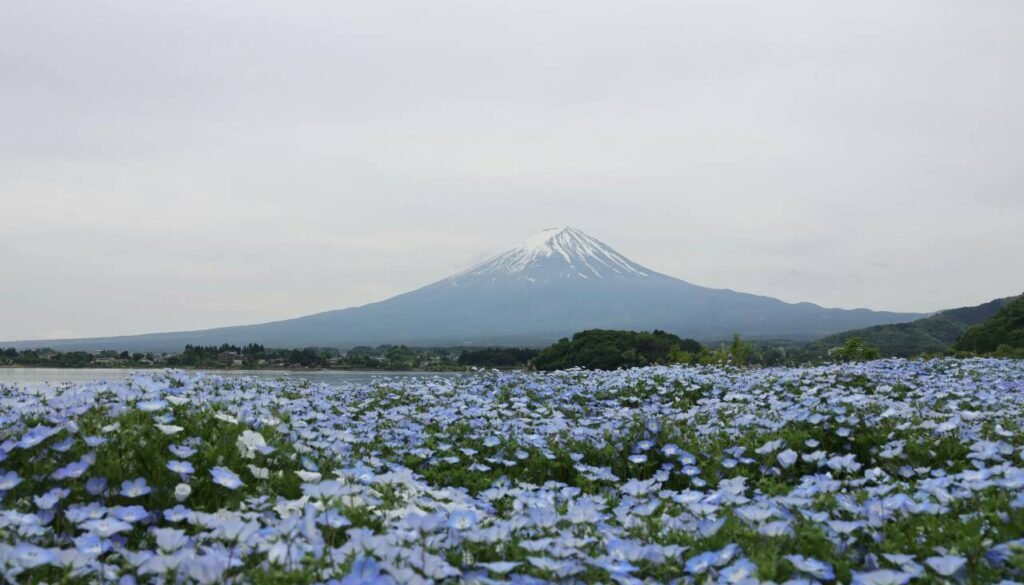
Mt. Fuji Viewing Spots and Tour Options from Tokyo
As I explore the iconic landscapes of Japan, I’m drawn to the majestic presence of Mt. Fuji, a must-see attraction for anyone traveling to Japan. With its symmetrical cone and serene surroundings, Mt. Fuji is a breathtaking sight that can be enjoyed from various vantage points near Tokyo.

From Tokyo, you can easily access top viewing spots and take part in guided tours that make your trip unforgettable. I’ll guide you through the best ways to experience Mt. Fuji, sharing insights on how to make the most of your visit.
Key Takeaways
- Discover top Mt. Fuji viewing spots accessible from Tokyo
- Explore guided tour options for a memorable experience
- Learn how to make the most of your visit to Mt. Fuji
- Understand the best times to visit for optimal viewing
- Get tips on planning your trip from Tokyo
Klook – Tours, activities & passes
Trip.com – Hotels, flights & packages
The Iconic Symbol of Japan: Understanding Mt. Fuji
For centuries, Mt. Fuji has stood as a majestic sentinel, inspiring artists, poets, and travelers alike with its serene beauty and profound significance. As a cultural icon, Mt. Fuji has played a pivotal role in shaping Japan’s identity and heritage.

Mt. Fuji’s Cultural and Historical Significance
Mt. Fuji’s impact on Japanese culture is multifaceted. It has been a sacred site, inspiring spiritual practices and pilgrimages. The mountain’s majestic form has influenced various art forms, including ukiyo-e woodblock prints, literature, and poetry. For instance, the famous artist Hokusai’s works, such as “The Great Wave off Kanagawa,” feature Mt. Fuji prominently, showcasing its cultural significance.
- Influence on art and literature
- Sacred site for spiritual practices
- Symbolism in Japanese identity
UNESCO World Heritage Status and Conservation
Mt. Fuji was designated a UNESCO World Heritage site in 2013, recognizing its cultural and natural significance. This status has brought attention to the need for conservation efforts to protect Mt. Fuji and its surrounding environment. Conservation initiatives focus on preserving the natural beauty and cultural heritage of the area, ensuring that Mt. Fuji remains a revered and protected site for future generations.
Key conservation efforts include:
- Protection of natural habitats
- Management of tourism to prevent environmental degradation
- Preservation of cultural sites and historical artifacts
When to See Mt. Fuji: Seasonal Visibility Guide
Planning a trip to see Mt. Fuji requires understanding the best times for viewing this iconic mountain. The visibility of Mt. Fuji is influenced by various factors, including the time of year, weather conditions, and atmospheric clarity.
Best Months for Clear Views
The best months for viewing Mt. Fuji are typically during the winter season, from December to February. During this period, the air is generally clearer, offering unobstructed views of the mountain. January is often considered the best month due to the low humidity and clear skies.
In contrast, the summer months can be quite humid, reducing visibility. However, the summer season offers a different kind of beauty, with lush greenery surrounding the mountain.
Weather Patterns and Visibility Factors
Weather patterns play a significant role in determining Mt. Fuji’s visibility. High-pressure systems are associated with clear weather, while low-pressure systems can bring clouds and precipitation, obscuring the view.
| Season | Weather Pattern | Visibility |
|---|---|---|
| Winter | High-pressure systems | High |
| Summer | Low-pressure systems, humidity | Low to Moderate |
| Spring | Variable | Moderate |
| Autumn | Generally clear | High |
Apps and Resources for Checking Mt. Fuji Visibility
To plan your visit effectively, you can use various apps and resources to check Mt. Fuji’s visibility. Apps like Mt. Fuji Live Camera and WeatherNews provide real-time information on weather conditions and visibility.

By understanding the seasonal guide and utilizing these resources, you can maximize your chances of witnessing Mt. Fuji in all its glory.
Klook – Tours, activities & passes
Trip.com – Hotels, flights & packages
Mt. Fuji from Tokyo: Best Viewing Spots and Tour Options
Visitors to Tokyo can easily plan a day trip or guided tour to see Mt. Fuji, Japan’s most iconic landmark. The proximity of Mt. Fuji to Tokyo makes it an attractive destination for travelers with limited time.
Overview of Distance and Accessibility
Mt. Fuji is approximately 100 km from Tokyo, making it accessible for a day trip or a longer stay. The most common ways to reach Mt. Fuji include trains, buses, and guided tours. The Fuji Excursion train is a popular option, offering a direct route from Tokyo’s Shinjuku Station to Kawaguchiko Station near Mt. Fuji.
| Mode of Transport | Approximate Time | Cost |
|---|---|---|
| Fuji Excursion Train | 2 hours | $15-$30 |
| Highway Bus | 2.5-3 hours | $10-$25 |
| Guided Tour | Varies | $50-$150 |
Planning Your Mt. Fuji Experience
To make the most of your Mt. Fuji experience, consider the time of year and weather conditions. Spring and autumn are ideal for clear views. Booking a guided tour can simplify planning and provide additional insights into the area’s history and culture.
Tips for Visiting Mt. Fuji:
- Check the weather forecast before heading out.
- Consider purchasing a Japan Rail Pass for train travel.
- Bring layers for changing weather conditions.
- Book accommodations near Mt. Fuji for an early start.

Top Viewing Spots Within Tokyo City
Tokyo offers several vantage points for viewing Mt. Fuji, even from within the city. While the mountain is quite far, on clear days, it’s possible to catch a glimpse of its majestic peak from various elevated spots.
Tokyo Skytree Observation Decks
The Tokyo Skytree, at 634 meters tall, is the highest tower in the world and offers panoramic views of the city. On a clear day, Mt. Fuji can be seen from its observation decks. The Skytree is particularly popular during sunrise and sunset when the light enhances the view.
Tokyo Tower Viewpoints
Another iconic spot is the Tokyo Tower, which stands at 333 meters. Its observation decks provide a great view of the city, and on clear days, Mt. Fuji is visible. The tower is especially beautiful during twilight hours when it’s illuminated.
Metropolitan Government Building Observation Floors
The Tokyo Metropolitan Government Building has two observation floors, one on the 45th floor and another on the 55th floor, both offering free views of the city. While not as high as the Tokyo Skytree or Tokyo Tower, it still provides a good vantage point for seeing Mt. Fuji on a clear day.
Here’s a comparison of these viewing spots:
| Viewing Spot | Height (meters) | Cost |
|---|---|---|
| Tokyo Skytree | 634 | $20-$30 |
| Tokyo Tower | 333 | $10-$20 |
| Metropolitan Government Building | 202 (45th floor), 248 (55th floor) | Free |

Best Viewing Locations in Tokyo’s Suburbs
For those willing to venture beyond Tokyo’s central districts, the suburbs reveal hidden gems for Mt. Fuji sightings. While the city offers various vantage points, the suburbs provide a more serene and less crowded experience.

Takao Mountain Viewpoints
Takao Mountain, located in Hachioji, is a popular destination for both hiking and viewing Mt. Fuji. The mountain offers several trails and viewpoints, with the summit providing a panoramic view of the surrounding landscape and, on clear days, a stunning vista of Mt. Fuji. The trail to the summit is well-marked and suitable for hikers of various skill levels. Visitors can enjoy the natural beauty of the area while experiencing the thrill of hiking in a less crowded environment compared to more central Tokyo locations.
Hachioji and Western Tokyo Views
Hachioji and the broader western Tokyo area are home to numerous spots that offer great views of Mt. Fuji. The area’s hills and mountains provide natural vantage points that are easily accessible by public transportation or car. Locations such as the Takiyama Road are renowned for their picturesque views, especially during the autumn foliage season when the changing leaves add a colorful backdrop to the iconic mountain.
Hidden Spots Locals Recommend
Locals often recommend exploring less-known areas such as the Tama Hills for unique perspectives on Mt. Fuji. These areas, while not as frequently visited by tourists, offer a genuine experience of suburban Tokyo and its natural beauty. Visiting these spots can provide a more authentic connection to the local culture and landscape. Exploring these hidden gems can be a rewarding experience for those looking to venture off the beaten path.
Klook – Tours, activities & passes
Trip.com – Hotels, flights & packages
The Fuji Five Lakes Region: Prime Viewing Areas
Located at the foot of Mt. Fuji, the Fuji Five Lakes region offers unparalleled scenic beauty. This area is a favorite among travelers and locals alike, providing numerous vantage points to admire the majestic mountain.
Lake Kawaguchiko Scenic Spots
Lake Kawaguchiko is the most accessible and popular of the Fuji Five Lakes, offering a variety of scenic spots. Visitors can enjoy a leisurely boat ride on the lake or hike around its shores. The lake’s shoreline is dotted with parks, hotels, and souvenir shops, making it a convenient destination for tourists.
The lake is particularly famous for its stunning views of Mt. Fuji during the sunrise and sunset. The reflection of the mountain on the lake’s surface creates a breathtaking panorama, ideal for photography.
Lakes Yamanaka, Saiko, Shojiko, and Motosuko
While Lake Kawaguchiko is the most visited, the other lakes in the Fuji Five Lakes region also offer unique experiences. Lake Yamanakako is known for its beautiful beaches and water sports. Lake Saiko offers caves to explore and is a great spot for camping. Lake Shojiko is famous for its swan boats, adding a touch of romance to the scenery. Lake Motosuko, the deepest of the five lakes, provides serene surroundings and is perfect for those seeking tranquility.
| Lake | Main Attractions | Best Time to Visit |
|---|---|---|
| Lake Kawaguchiko | Boat rides, hiking trails | Sunrise, sunset |
| Lake Yamanakako | Beaches, water sports | Summer |
| Lake Saiko | Caves, camping sites | Autumn |
| Lake Shojiko | Swan boats, scenic walks | Spring, autumn |
| Lake Motosuko | Serene surroundings, fishing | Anytime |
Seasonal Activities Around the Lakes
The Fuji Five Lakes region is a year-round destination, with each season offering unique activities. In the spring, visitors can enjoy cherry blossoms and festivals. Summer brings warm weather, ideal for swimming and water sports. Autumn is celebrated for its vibrant foliage, while winter offers a serene landscape and opportunities for snow sports.
Throughout the year, the region hosts various events and festivals, enhancing the visitor experience. Whether you’re interested in outdoor activities, cultural events, or simply enjoying nature, the Fuji Five Lakes region has something to offer.
Hakone Area: Combining Hot Springs with Mt. Fuji Views
With its picturesque landscapes and soothing hot springs, Hakone is the perfect destination to admire Mt. Fuji’s majesty. Located in the Fuji-Hakone-Izu National Park, Hakone offers a serene escape from the bustling city life of Tokyo.
Hakone Ropeway and Lake Ashi Viewpoints
The Hakone Ropeway provides a thrilling way to take in the breathtaking views of Mt. Fuji. As you soar above Lake Ashi, the majestic mountain is reflected perfectly in the lake’s calm waters, creating a picturesque scene. The ropeway offers multiple viewpoints, each providing a unique perspective on the surrounding landscape.
Owakudani Volcanic Valley Views
Owakudani Valley is another must-visit location in Hakone, known for its volcanic activity and hot springs. Visitors can witness the raw power of nature with steaming vents and hot springs, all while enjoying views of Mt. Fuji in the background.
Ryokan Experiences with Fuji Vistas
For a truly authentic Japanese experience, consider staying at a ryokan in Hakone. Many of these traditional inns offer rooms with private hot springs and stunning views of Mt. Fuji. Imagine relaxing in a hot spring bath while gazing at the majestic mountain – it’s a truly unforgettable experience.
In conclusion, Hakone is a haven that combines natural beauty, relaxation, and cultural experiences, making it an ideal destination for those looking to enjoy Mt. Fuji’s splendor.
Iconic Photography Locations for Mt. Fuji
Capturing Mt. Fuji’s majesty requires more than just a camera; it demands an understanding of the best locations and times to shoot. As a photographer, you’re likely drawn to the iconic views of Japan’s most famous mountain, and there are several spots that stand out for their exceptional vantage points.
Chureito Pagoda in Fujiyoshida
The Chureito Pagoda in Fujiyoshida is one of Japan’s most photographed locations, and for good reason. This beautiful pagoda, surrounded by cherry blossoms in spring and vibrant foliage in autumn, offers a stunning foreground to Mt. Fuji’s majestic peak. To capture the perfect shot, visit during the early morning or late afternoon when the light is soft and golden.
Oshino Hakkai Eight Ponds
Another picturesque location is Oshino Hakkai Eight Ponds, a tranquil village nestled at the foot of Mt. Fuji. The clear waters of the ponds reflect the mountain’s image, creating a mirror-like effect that’s perfect for photography. Spring and autumn are ideal times to visit, as the surrounding flora adds color and depth to your shots.
Photography Tips and Best Times of Day
When photographing Mt. Fuji, timing is everything. The best times of day are early morning and late afternoon, when the sun’s low angle casts a warm glow on the mountain. For a more dramatic effect, try capturing Mt. Fuji during the golden hour, just before sunset. Additionally, consider the season: spring brings cherry blossoms, summer offers clear skies, autumn provides vibrant foliage, and winter brings a serene, snowy landscape.
| Location | Best Time to Visit | Photography Tips |
|---|---|---|
| Chureito Pagoda | Spring, Autumn | Early morning or late afternoon for soft light |
| Oshino Hakkai Eight Ponds | Spring, Autumn | Use reflections in the ponds for a unique perspective |
Guided Tour Options from Tokyo to Mt. Fuji
Guided tours from Tokyo to Mt. Fuji cater to diverse interests and preferences, offering a hassle-free way to experience Japan’s iconic mountain. Whether you’re looking for a day trip or a more leisurely exploration, there’s a tour to suit your needs.
Full-Day Bus Tours and What They Include
Full-day bus tours are a popular option for visiting Mt. Fuji from Tokyo. These tours typically include round-trip transportation, a guided visit to the Fuji Five Lakes region, and sometimes stops at other local attractions like the Ohashi Bridge or the Mt. Fuji World Heritage Center. Some tours also offer additional activities such as a traditional Japanese lunch or a visit to a local craft shop.
- Round-trip transportation from Tokyo
- Guided tour of the Fuji Five Lakes region
- Optional activities like traditional lunch or local crafts
Private Guide Services and Customized Experiences
For a more personalized experience, private guide services offer customized tours that can be tailored to your interests. Whether you’re interested in photography, history, or simply enjoying the scenic views, a private guide can enhance your Mt. Fuji experience. These services often include flexible itineraries, allowing you to spend as much time as you like at your preferred locations.
Benefits of Private Guides:
- Customized itineraries
- Expert knowledge of the area
- Flexible scheduling to suit your preferences
Combination Tours with Hakone and Other Attractions
For those interested in exploring beyond Mt. Fuji, combination tours that include Hakone and other local attractions are an excellent choice. These tours often combine visits to Mt. Fuji with a cruise on Lake Ashi in Hakone, offering a comprehensive experience of the region’s natural beauty. Some tours may also include stops at hot springs or traditional ryokans, enhancing your cultural experience.
- Cruise on Lake Ashi
- Visit to hot springs or ryokans
- Exploration of Mt. Fuji and surrounding areas
With these guided tour options, you can enjoy a stress-free and enriching experience visiting Mt. Fuji from Tokyo. Whether you choose a full-day bus tour, a private guide, or a combination tour, you’re sure to create lasting memories of Japan’s iconic mountain.
Transportation Guide: Getting from Tokyo to Mt. Fuji
The journey from Tokyo to Mt. Fuji offers a blend of convenience and scenic beauty, with various transportation choices. Whether you’re planning a day trip or a longer excursion, understanding your transport options is key to a smooth and enjoyable journey.
Train Options: JR Lines and the Fuji Excursion
One of the most convenient ways to travel from Tokyo to Mt. Fuji is by train. The JR Chuo Line and the Fujikyu Railway are popular options. The Fuji Excursion is a special train service that allows you to visit Mt. Fuji and the Fuji Five Lakes region without the need for multiple transfers. This service is particularly appealing to tourists as it includes a one-day pass for travel between Tokyo and the Mt. Fuji area.
For those using the JR Pass, you can take the JR Chuo Line to Otsuki and then transfer to the Fujikyu Railway to continue your journey to Kawaguchiko, one of the Fuji Five Lakes. This route offers scenic views and is a great way to experience the local culture.
Bus Services and Highway Buses
For a more budget-friendly option, consider using bus services. Highway buses operated by companies like Fujikyu Yamanashi Bus and Keio Bus offer direct services from Tokyo’s Shinjuku Station to various destinations around Mt. Fuji, including the Fuji Five Lakes region. These buses are equipped with comfortable seating and often provide onboard amenities.
Rental Car Tips and Scenic Driving Routes
Renting a car gives you the flexibility to explore the Mt. Fuji area at your own pace. The Chuo Expressway is a major route that connects Tokyo to the Mt. Fuji region. From there, you can take scenic routes such as the Subaru Line (also known as the Fujikyu Highway) for stunning views of Mt. Fuji. Be sure to check the weather and road conditions before you go, as some routes may be seasonal or subject to closure.
By choosing the right transportation method, you can ensure a hassle-free trip to Mt. Fuji from Tokyo, allowing you to focus on enjoying the breathtaking scenery and experiences that this iconic destination has to offer.
Climbing Mt. Fuji: Essential Information
Mt. Fuji, Japan’s tallest mountain, offers a unique climbing experience that combines physical challenge with breathtaking views. As I prepare to tackle this iconic peak, understanding the essential information is crucial for a successful and safe climb.
Climbing Season and the Four Main Trails
The climbing season for Mt. Fuji typically runs from early July to mid-September, with the official season usually starting on July 1st and ending on September 14th. During this period, the mountain is open to climbers, and facilities such as mountain huts are operational.
There are four main trails to the summit: Yoshida, Subashiri, Gotemba, and Fujinomiya. Each trail has its unique characteristics, with the Yoshida Trail being the most popular due to its well-developed infrastructure and scenic views.
| Trail Name | Distance to Summit | Notable Features |
|---|---|---|
| Yoshida | 14.5 km | Well-marked path, numerous mountain huts |
| Subashiri | 14.2 km | Less crowded than Yoshida, scenic views |
| Gotemba | 16.5 km | Longest trail, challenging terrain |
| Fujinomiya | 12.5 km | Shortest trail, steep ascent |
Physical Preparation and Required Gear
Climbing Mt. Fuji requires a good level of physical fitness. Climbers should be prepared for steep and rocky terrain, as well as unpredictable weather conditions.
Essential gear includes sturdy hiking boots, layers of clothing for varying temperatures, a first-aid kit, and a headlamp or flashlight.
Mountain Huts and Overnight Options
For those who prefer to climb over two days, mountain huts along the trails offer accommodation and meals. These huts range from basic to more comfortable options, with prices varying accordingly.
Booking in advance is highly recommended, especially during peak season.
Seasonal Activities and Festivals Around Mt. Fuji
From summer festivals to winter illuminations, the Mt. Fuji region is a year-round destination for travelers. The area around Mt. Fuji offers a diverse range of seasonal events and activities that showcase Japan’s rich culture and natural beauty.
Summer Festivals and Events
Summer is a vibrant season around Mt. Fuji, with numerous festivals taking place. The Fujiyoshida Fire Festival, held in August, is a highlight, featuring elaborate floats and traditional performances. Visitors can also enjoy outdoor activities like hiking and camping in the surrounding mountains.
Autumn Foliage Viewing with Mt. Fuji
Autumn brings stunning foliage to the Mt. Fuji region, with the changing leaves creating a picturesque landscape. Popular spots like Lake Kawaguchiko and Chureito Pagoda offer breathtaking views of Mt. Fuji against a backdrop of vibrant autumn colors.
Winter Snow Activities and Illuminations
Winter transforms the Mt. Fuji area into a serene landscape, with snow-covered scenery and illuminations. Visitors can enjoy winter sports like skiing and snowboarding, or take part in the Mt. Fuji Illumination events, which light up the mountain and surrounding areas.
| Season | Activity/Festival | Location |
|---|---|---|
| Summer | Fujiyoshida Fire Festival | Fujiyoshida |
| Autumn | Foliage Viewing | Lake Kawaguchiko, Chureito Pagoda |
| Winter | Mt. Fuji Illumination | Mt. Fuji Region |
Practical Information for International Visitors
As an international visitor planning a trip to Japan, it’s essential to be aware of the practical aspects that will make your journey smoother. Japan is known for its unique culture, advanced technology, and rich history, making it a fascinating destination for travelers from around the world.
Language Considerations and Useful Phrases
While many Japanese people speak some English, it’s still a good idea to learn basic Japanese phrases like “konnichiwa” (hello), “arigatou” (thank you), and “sumimasen” (excuse me). This will not only help you navigate but also show respect for the culture. Many signs are also translated into English, making it easier for international visitors to get around.
Payment Methods, Costs, and Budgeting Tips
Japan is predominantly a cash-based society, although credit card acceptance is increasing, especially among younger businesses. It’s a good idea to have some cash, especially when visiting smaller towns or traditional restaurants. The cost of traveling in Japan can vary greatly depending on your choices of accommodation, food, and activities. Budgeting in advance can help you manage your expenses effectively.
Cultural Etiquette to Remember
Understanding and respecting Japanese cultural etiquette can greatly enhance your travel experience. For example, it’s customary to remove your shoes before entering a traditional Japanese home or some temples. Being mindful of these customs shows respect and can lead to a more positive interaction with the locals. Simple actions like bowing upon greeting or using chopsticks correctly can also make a significant difference.
By being informed about these practical aspects, international visitors can have a more enjoyable and stress-free experience in Japan.
Conclusion: Making the Most of Your Mt. Fuji Experience
As you plan your trip to Japan, incorporating a memorable Mt. Fuji experience into your itinerary can be a highlight of your travels. With the insights gained from this guide, you’re well-equipped to navigate the best viewing spots, tour options, and activities that showcase the majesty of Mt. Fuji.
From the bustling city of Tokyo to the serene Fuji Five Lakes region, each location offers a unique perspective on this iconic mountain. Whether you’re interested in photography, outdoor activities, or simply taking in the views, your Japan travel plans can be tailored to include a mix of popular destinations and hidden gems.
In conclusion, making the most of your Mt. Fuji experience involves a combination of planning, flexibility, and an openness to explore the various facets of this iconic symbol of Japan. With this guide, you’re ready to embark on an unforgettable journey to Mt. Fuji, creating memories that will last a lifetime.
FAQ
What are the best times of the year to see Mt. Fuji from Tokyo?
The best times to see Mt. Fuji from Tokyo are during the winter months (December to February) when the air is typically clearer, and on days with low humidity and clear skies.
Are there any guided tours available from Tokyo to Mt. Fuji?
Yes, there are various guided tour options available from Tokyo to Mt. Fuji, including full-day bus tours, private guide services, and combination tours that include Hakone and other attractions.
What are the top viewing spots for Mt. Fuji within Tokyo city?
Some of the top viewing spots for Mt. Fuji within Tokyo city include the Tokyo Skytree Observation Decks, Tokyo Tower Viewpoints, and the Metropolitan Government Building Observation Floors.
Can I see Mt. Fuji from the Fuji Five Lakes region?
Yes, the Fuji Five Lakes region is renowned for its stunning views of Mt. Fuji, with Lake Kawaguchiko being a particularly popular spot.
How do I get to Mt. Fuji from Tokyo?
You can get to Mt. Fuji from Tokyo by train, bus, or rental car, with various options available, including the JR Lines and the Fuji Excursion train, highway buses, and scenic driving routes.
What are the best photography locations for capturing Mt. Fuji?
Some of the best photography locations for capturing Mt. Fuji include the Chureito Pagoda in Fujiyoshida, Oshino Hakkai Eight Ponds, and the Fuji Five Lakes region.
Can I climb Mt. Fuji, and what are the essential preparations?
Yes, you can climb Mt. Fuji during the climbing season (July to September), and it’s essential to be physically prepared, have the required gear, and book mountain huts for overnight stays in advance.
Are there any seasonal activities and festivals around Mt. Fuji?
Yes, there are various seasonal activities and festivals around Mt. Fuji, including summer festivals, autumn foliage viewing, and winter snow activities, offering something for everyone throughout the year.