
Savor Osaka’s Flavors: A 1-Day Food Tour Guide
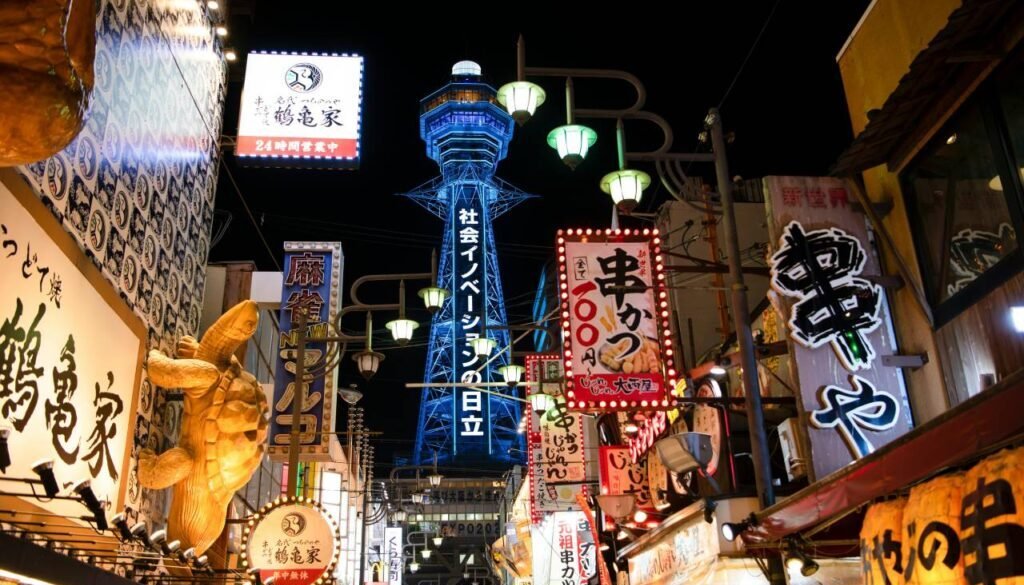
As I wander through Osaka, known as Japan’s kitchen, I’m greeted by the city’s vibrant food scene. The aroma of freshly cooked Japanese cuisine wafts through the air, enticing me to explore the local flavors.

On this 1-day food tour, we’ll delve into Osaka’s culinary delights, from traditional breakfast options to late-night street food. With a focus on Osaka flavors, we’ll discover the must-eat dishes and where to find them, making the most of our Osaka food tour experience.
Key Takeaways
- Explore Osaka’s vibrant food scene on a guided 1-day tour.
- Discover traditional breakfast options and late-night street food.
- Indulge in the city’s must-eat dishes and local flavors.
- Experience the best of Osaka’s culinary delights.
- Learn where to find the city’s hidden gems.
Osaka: Japan’s Kitchen and Food Paradise
Osaka’s status as Japan’s kitchen is rooted in its history, culture, and passion for food. The city’s culinary landscape is a testament to its role as a food paradise, where traditional flavors meet modern innovation.

Klook – Tours, activities & passes
Trip.com – Hotels, flights & packages
Why Osaka Earned Its Culinary Reputation
Osaka’s reputation as a culinary hub stems from its strategic location and historical significance as a merchant city. The city’s cuisine, known as Osaka cuisine, is characterized by its emphasis on fresh ingredients, simple preparation methods, and bold flavors. This unique culinary identity has earned Osaka its title as Japan’s kitchen, a place where food culture thrives.
The city’s culinary prowess is also attributed to its residents’ love for food, which is deeply ingrained in the local culture. This passion is evident in the numerous food establishments and markets that dot the city, offering a wide range of delicious dishes.
Understanding Kuidaore: “Eat Until You Drop” Culture
The concept of Kuidaore, or “eat until you drop,” is a defining aspect of Osaka’s food culture. This culture reflects the city’s residents’ enthusiasm for enjoying good food and having a great time. Kuidaore is not just about eating; it’s an experience that encompasses the joy of sharing meals with others and savoring local flavors.
In Osaka, Kuidaore culture is alive and well, with many restaurants and food stalls encouraging patrons to indulge in their culinary delights. This vibrant food scene is a key factor in Osaka’s status as a food paradise, making it a must-visit destination for food enthusiasts.
Planning Your Osaka Food Adventure
The key to a successful Osaka food tour lies in understanding the city’s culinary rhythm and planning accordingly. Osaka, renowned for its food culture, offers a diverse range of culinary experiences that can be enjoyed throughout the year.
Best Seasons for Food Tourism in Osaka
Osaka’s climate allows for a wide variety of food to be enjoyed year-round, but certain seasons offer unique culinary experiences. Spring is a great time to enjoy fresh produce and seasonal dishes, while autumn brings its own set of harvest delights. The best time to visit for food tourism is during the spring (March to May) and autumn (September to November), when the weather is mild and the ingredients are at their best.

Klook – Tours, activities & passes
Trip.com – Hotels, flights & packages
Areas to Focus On for Maximum Culinary Experiences
To maximize your culinary adventure in Osaka, focus on areas known for their food culture. Dotonbori and Namba are must-visit districts, offering a range of street food, local restaurants, and unique dining experiences. Additionally, exploring local markets like Kuromon Ichiba can provide a rich culinary experience, with fresh produce and local delicacies.
Early Morning: Starting Your Day with Japanese Breakfast
When in Osaka, beginning the day with a local breakfast is a culinary delight. The traditional Japanese breakfast is a simple yet satisfying meal that sets the tone for the day.
I find that a typical Japanese breakfast consists of steamed rice, miso soup, and various side dishes, which can include grilled fish, Japanese pickles, and tamago (Japanese-style omelette).
Traditional Options: Tamago Gohan and Miso Soup
Two staple items in a traditional Japanese breakfast are Tamago Gohan and Miso Soup. Tamago Gohan, a simple dish made from a raw egg served over hot rice, is a comforting and protein-rich start to the day. Miso Soup, made with miso paste, dashi (a Japanese broth), and ingredients like tofu and seaweed, is a flavorful and nourishing accompaniment.
These dishes are not only delicious but also provide a glimpse into the traditional Japanese cuisine, emphasizing local ingredients and simple preparation methods.

Klook – Tours, activities & passes
Trip.com – Hotels, flights & packages
Where to Find the Best Morning Meals in Osaka
Osaka offers numerous options for enjoying a traditional Japanese breakfast. One of the best places to experience this is at local restaurants known as “ryotei,” which serve high-quality, traditional Japanese cuisine, including breakfast.
Some popular areas for breakfast in Osaka include the Dotonbori and Shinsaibashi districts, known for their vibrant atmosphere and variety of dining options. Visitors can also try local cafes and hotels that offer traditional Japanese breakfast.
Mid-Morning: Street Food Snacking at Markets
My journey through Osaka’s flavors begins with street food snacking at bustling markets. As I wander through the city’s vibrant streets, the aroma of freshly cooked delicacies beckons me to explore the local street food scene.

Light Bites: Taiyaki and Onigiri
Two popular street foods that I enjoy during my mid-morning adventure are Taiyaki and Onigiri. Taiyaki, a fish-shaped cake filled with sweet red bean paste, is a delightful treat that I savor at street stalls. Onigiri, triangular rice balls filled with tuna, salmon, or pickled plum, provide a satisfying snack as I continue my culinary journey.
Navigating Kuromon Ichiba Market Like a Pro
Kuromon Ichiba Market is a must-visit destination for any street food enthusiast. To navigate this bustling market effectively, I start by exploring the outer stalls, sampling local specialties like fresh fruit and grilled seafood. As I make my way deeper into the market, I discover hidden gems and popular eateries serving Osaka’s signature dishes.
| Street Food | Description | Recommended At |
|---|---|---|
| Taiyaki | Fish-shaped cake filled with sweet red bean paste | Street stalls in Dotonbori |
| Onigiri | Triangular rice balls filled with tuna, salmon, or pickled plum | Kuromon Ichiba Market |
By following this approach, I can fully immerse myself in Osaka’s street food culture and enjoy a truly authentic culinary experience.
Lunch Hour: Diving into Osaka’s Signature Dishes
Diving into Osaka’s lunch scene means experiencing the city’s rich food culture, with Okonomiyaki at the forefront. As I explored the city’s culinary delights, I found that lunch is an ideal time to indulge in Osaka’s signature dishes.

Okonomiyaki: The Soul Food of Osaka
Okonomiyaki, often referred to as Osaka’s soul food, is a savory pancake that has captured the hearts of locals and visitors alike. This dish is made with a batter mix, cabbage, and various fillings such as pork, seafood, or vegetables, all grilled to perfection. What makes Okonomiyaki truly special is its interactive nature; it’s often cooked on a teppan grill at your table, allowing you to customize it with a variety of toppings and sauces.
The beauty of Okonomiyaki lies in its versatility and the experience of enjoying it. Whether you’re in the mood for a hearty meal or a snack, Okonomiyaki can satisfy your cravings. It’s also a dish that brings people together, as it’s commonly enjoyed in a communal setting.
Top Lunch Spots in Dotonbori and Namba
Dotonbori and Namba are two of Osaka’s most vibrant districts, offering a plethora of dining options. When it comes to lunch, these areas are not to be missed. Here are some top recommendations:
| Restaurant Name | Cuisine | Location |
|---|---|---|
| Michinoku | Okonomiyaki | Dotonbori |
| Kani Doraku | Crab Cuisine | Namba |
| Han no Daidokoro Bettei | Kaiseki | Namba |
These establishments offer a range of culinary experiences, from traditional Okonomiyaki to fresh seafood. Whether you’re looking for a quick bite or a leisurely meal, Dotonbori and Namba have something for everyone.
In conclusion, Osaka’s lunch scene is a culinary journey that offers something for every palate. With its signature dishes like Okonomiyaki and top-notch restaurants in Dotonbori and Namba, visitors can truly experience the essence of Osaka’s food culture.
A Perfect One-Day Food Tour in Osaka: What to Eat & Where to Go
Embarking on a one-day food tour in Osaka is a culinary adventure like no other. With its reputation as Japan’s kitchen, Osaka offers a diverse range of flavors and dishes to explore. To make the most of your visit, it’s essential to plan your itinerary carefully, balancing famous spots with hidden gems.
Crafting an Efficient Route Through Food Districts
Osaka’s food districts, such as Dotonbori and Shinsekai, are treasure troves of culinary delights. Crafting an efficient route through these areas can be challenging, but with a little planning, you can experience the best of Osaka’s food scene.
Start your day early in the Kuromon Ichiba Market, where you can sample fresh seafood and local snacks. From there, head to Dotonbori, famous for its neon lights and street food. Be sure to try some Takoyaki or Okonomiyaki at one of the many restaurants in the area.
Balancing Famous Spots and Hidden Gems
While famous spots like Dotonbori are a must-visit, don’t be afraid to explore some of Osaka’s hidden gems. For example, the Shinsekai district is known for its retro atmosphere and delicious Kushikatsu. You can also visit the Kikukawa Honten restaurant, a local favorite that serves some of the city’s best Udon noodles.
| Time | Location | Food |
|---|---|---|
| 9:00 AM | Kuromon Ichiba Market | Fresh seafood, Onigiri |
| 11:00 AM | Dotonbori | Takoyaki, Okonomiyaki |
| 2:00 PM | Shinsekai | Kushikatsu |
“Osaka is a city that lives and breathes food. From its bustling streets to its hidden alleys, there’s always something new to discover.” –
By balancing famous spots with hidden gems and planning your route carefully, you can experience the best of Osaka’s food scene in just one day.
Afternoon Delight: Sweet Treats and Tea Time
Osaka’s culinary landscape isn’t just about savory dishes; it’s also a paradise for those with a sweet tooth. As I explored the city’s dessert scene, I discovered that the afternoon is the perfect time to indulge in traditional Japanese sweets and teas.
Must-Try Desserts: Wagashi and Matcha Creations
Wagashi, traditional Japanese sweets, are a must-try when in Osaka. These delicate treats are often made with natural ingredients like matcha, red bean, and rice. I was particularly fond of the Wagashi served at a local tea house, where the combination of flavors and textures was exquisite. Matcha creations, from ice cream to cakes, are also incredibly popular and offer a refreshing twist on traditional green tea.
“The art of Wagashi is not just about taste but also about the presentation, which is deeply rooted in Japanese culture.”
Best Cafés for an Authentic Japanese Tea Experience
For an authentic Japanese tea experience, Osaka’s cafés are unparalleled. I visited several cafés where I could enjoy high-quality matcha and traditional Japanese teas in serene environments. One of my favorites was a café that served a traditional Japanese tea ceremony, offering a tranquil atmosphere and a deep insight into the cultural significance of tea in Japan.
When in Osaka, taking the time to enjoy these afternoon delights is a wonderful way to experience the city’s culinary culture fully.
Early Evening: Mastering Takoyaki and Street Food
As the early evening sets in over Osaka, the streets come alive with the sizzling sounds of Takoyaki, a must-try street food. The aroma of batter and the sight of these crispy, round treats being cooked on a hot griddle are irresistible. Takoyaki, which translates to “octopus balls,” is a beloved snack that embodies the spirit of Osaka’s street food culture.
The Art of Eating Takoyaki Without Burning Your Mouth
Eating Takoyaki can be a fun experience, but it requires some finesse to avoid burning your mouth. The key is to be patient and not rush. First, pick up a Takoyaki with your chopsticks, then let it cool for a few seconds. You can also dip it in the provided sauce or mayonnaise to slightly reduce the temperature. When you’re ready, take a small bite, savoring the flavors and textures.
Finding the Most Authentic Takoyaki Stands in Osaka
Osaka is dotted with Takoyaki stands, but finding the most authentic ones can enhance your experience. Look for stalls or shops that are busy and have a line of locals waiting. These are usually good indicators of quality. Some popular areas to find Takoyaki include Dotonbori and Shinsaibashi, where you can sample different variations and enjoy the lively atmosphere.
| Takoyaki Stand | Location | Notable Feature |
|---|---|---|
| Aizuya | Dotonbori | Traditional Takoyaki taste |
| Takoyaki Tanaka | Shinsaibashi | Creative Takoyaki variations |
| Tsukemen Gyoza no Ohsho | Namba | Takoyaki with a side of Tsukemen |
Mastering the art of eating Takoyaki and finding the best stands are part of the Osaka street food experience. Enjoy the process, and don’t be afraid to try different flavors and variations.
Dinner Time: Kushikatsu and Beyond
When it comes to dinner in Osaka, one dish stands out: Kushikatsu, the city’s beloved deep-fried skewers that are a must-try. As I explored the dinner options in Osaka, I found that Kushikatsu is more than just a meal; it’s an experience that embodies the spirit of Osaka’s culinary culture.
Kushikatsu: Osaka’s Beloved Deep-Fried Skewers
Kushikatsu is a delightful dish where various ingredients such as meat, seafood, and vegetables are skewered and deep-fried to perfection. The key to great Kushikatsu lies in its light batter and the double-frying technique that ensures the skewers are crispy on the outside and tender on the inside. I was impressed by the variety of Kushikatsu options available, from classic pork and chicken to more adventurous choices like lotus root and cheese.
Tips for Enjoying Kushikatsu:
- Dip your Kushikatsu in the provided sauce, but be mindful not to double-dip.
- Try a variety of skewers to experience different flavors.
- Visit popular Kushikatsu restaurants during off-peak hours to avoid long waits.
Recommended Dinner Establishments in Shinsekai
Shinsekai, a retro district in Osaka, is known for its nostalgic atmosphere and delicious food. It’s the perfect place to enjoy a hearty dinner, with Kushikatsu being a highlight. I visited several dinner establishments in Shinsekai and compiled a list of recommendations.
| Restaurant Name | Specialty | Price Range |
|---|---|---|
| Kushikatsu Tanaka | Kushikatsu | $15-$25 |
| Han no Daidokoro Bettei | Kaiseki | $50-$100 |
| Fukutaro | Fugu (Blowfish) | $30-$60 |
These establishments offer a range of dining experiences, from casual Kushikatsu to more formal kaiseki meals. Shinsekai is a must-visit for anyone looking to immerse themselves in Osaka’s culinary heritage.
Late Night: Izakaya Hopping and Bar Food
Osaka’s nightlife is a culinary adventure waiting to happen, with Izakaya hopping at its core. As the night unfolds, the city’s vibrant atmosphere invites you to explore its rich culinary landscape, particularly through the Izakaya experience.
The Izakaya Experience: Yakitori, Karaage, and Sake
Izakaya, or Japanese gastropubs, are the heart of Osaka’s nightlife. These establishments offer a wide array of small dishes, known as “otsumami,” designed to be shared with friends over drinks. Key highlights include:
- Yakitori: Grilled chicken skewers, ranging from classic chicken breast to more adventurous options like chicken skin or heart.
- Karaage: Japanese-style fried chicken, often marinated in a mix of soy sauce, sake, and sugar for enhanced flavor.
- Sake: A traditional Japanese beverage that pairs perfectly with the variety of dishes served at Izakaya.
Best Areas for Night Food Crawls in Osaka
Osaka offers several districts that are perfect for a night food crawl. Some of the top areas include:
- Dotonbori: Known for its neon lights and lively atmosphere, Dotonbori is a must-visit for any food enthusiast.
- Namba: Adjacent to Dotonbori, Namba offers a plethora of dining options, from high-end restaurants to casual eateries.
- Shinsaibashi: A popular area for shopping and dining, with a range of Izakaya and bars to explore.
Navigating Dietary Restrictions in Osaka
Exploring Osaka’s food scene while managing dietary restrictions can be a breeze with the right information. Osaka, renowned for its culinary delights, is increasingly accommodating to various dietary needs.
Vegetarian and Vegan Options in a Meat-Loving City
While Osaka is famous for its meat dishes, there are plenty of vegetarian and vegan options available. Many traditional Japanese dishes can be adapted to suit dietary needs.
| Dish | Vegetarian/Vegan | Modifications |
|---|---|---|
| Okonomiyaki | Can be vegetarian | Remove bonito flakes, use vegan mayo |
| Takoyaki | Vegan version available | Replace takoyaki sauce with vegan alternative |
| Yudofu | Vegetarian | None needed |
Communicating Allergies and Restrictions in Japanese
Communicating your dietary needs in Japanese can greatly enhance your dining experience. Learning key phrases like “watashi wa bejitarian desu” (I am a vegetarian) or “allergi ga arimasu” (I have an allergy) can be very helpful.
By being prepared and knowing where to look, visitors with dietary restrictions can enjoy Osaka’s culinary offerings without worry.
Food Etiquette: Dining Like a Local
To truly immerse yourself in Osaka’s culinary culture, understanding the local dining etiquette is essential. As you explore the city’s food scene, you’ll notice that dining is not just about the cuisine; it’s an experience deeply rooted in tradition and respect for others.
Essential Table Manners: Chopsticks and Beyond
Mastering the use of chopsticks is a fundamental aspect of dining etiquette in Osaka. It’s not just about picking up food; it’s about doing so with grace and respect. For instance, never stand your chopsticks upright in your rice, as this is reminiscent of a funeral ritual. Similarly, passing food from your chopsticks to someone else’s is also considered impolite for the same reason. When not using your chopsticks, place them on the chopstick rest provided, or on top of your bowl if a rest is not available.
Other table manners to keep in mind include:
- Waiting for the host to start eating before you begin
- Not leaving your chopsticks pointing towards others when placing them on the rest
- Finishing your meal completely, as leaving food on your plate can be seen as wasteful
Ordering, Tipping, and Paying Customs
When dining in Osaka, understanding the customs around ordering, tipping, and paying is crucial. In most traditional settings, it’s customary to wait for the server to guide you through the ordering process. Tipping, a common practice in some countries, is not expected in Japan and can sometimes be considered rude. When it’s time to pay, be prepared to pay at the counter, as some establishments may not allow payment at the table.
“The way we dine is a reflection of our culture and values. In Osaka, dining is an art that combines delicious food with respect and harmony.” – A local chef’s insight into Osaka’s dining culture.
Food Souvenirs: Bringing Osaka’s Flavors Home
Osaka offers a variety of delicious souvenirs that capture the essence of its food culture. When leaving Osaka, it’s a great idea to bring back some of its unique flavors to share with friends and family or to enjoy yourself.
Packaged Treats That Travel Well
Some of Osaka’s specialties make great souvenirs, such as packaged snacks and traditional sweets. Look for items like senbei (Japanese crackers) and matcha-flavored treats that are not only delicious but also travel well.
Where to Shop for Food Gifts and Souvenirs
For a wide selection of food souvenirs, visit Kuromon Ichiba Market or Shinsekai district. These locations offer a variety of local specialties and packaged goods perfect for gifting. Don’t forget to check out local shops in Dotonbori for unique and flavorful souvenirs.
Conclusion: Savoring the Memories of Osaka’s Culinary Delights
As I conclude my one-day food tour in Osaka, I’m left with a lasting impression of the city’s flavors. Osaka culinary delights have a way of lingering on the palate, and the memories of this gastronomic adventure will stay with me for a long time.
The experience of exploring Osaka’s food scene is a sensory journey that combines traditional flavors with modern twists. From savoring tamago gohan and miso soup for breakfast to indulging in okonomiyaki and takoyaki, every meal is a discovery of the city’s rich culinary heritage.
As I reflect on my food tour conclusion, I’m reminded of the importance of immersing oneself in the local culture. Osaka’s food districts, such as Dotonbori and Shinsekai, offer a glimpse into the city’s vibrant culinary landscape. The experience is not just about the food; it’s about the people, the atmosphere, and the traditions that make Osaka a food paradise.
In the end, my Osaka culinary adventure is a testament to the city’s reputation as Japan’s kitchen. The memories of this journey will inspire future travels and culinary explorations, leaving a lasting impact on my appreciation for the art of Japanese cuisine.
FAQ
What is the best time to visit Osaka for a food tour?
The best time to visit Osaka for a food tour is during the spring (March to May) or autumn (September to November), when the weather is mild and comfortable, making it ideal for exploring the city’s food scene.
Are there vegetarian and vegan options available in Osaka?
Yes, while Osaka is known for its meat dishes, there are vegetarian and vegan options available, particularly in modern restaurants and some traditional eateries. It’s a good idea to learn some basic Japanese phrases to communicate your dietary restrictions.
How do I navigate Kuromon Ichiba Market?
Navigating Kuromon Ichiba Market is relatively easy, as it’s a straightforward street market. You can explore the various stalls and shops, trying different foods and drinks along the way. Don’t be afraid to ask vendors for recommendations or try something new.
What is the significance of Kuidaore culture in Osaka?
Kuidaore, or “eat until you drop,” is a culture that reflects Osaka’s residents’ passion for food and enjoying life to the fullest. It’s a spirit that drives the city’s culinary scene, encouraging people to try new foods and indulge in the local cuisine.
Can I find English menus in Osaka’s restaurants?
While not all restaurants in Osaka have English menus, many popular tourist spots and modern eateries do. It’s still a good idea to learn some basic Japanese phrases or carry a translation guide to help you navigate menus.
How do I eat Takoyaki safely?
To eat Takoyaki safely, be careful when handling the hot balls, and consider using a toothpick or skewer to pick them up. You can also ask your server for guidance on how to enjoy Takoyaki like a local.
What are some must-try desserts in Osaka?
Some must-try desserts in Osaka include Wagashi, traditional Japanese sweets, and Matcha creations, which are popular in the city’s cafes. You can also try other local desserts like Taiyaki, a fish-shaped cake filled with sweet red bean paste.
Are there any food etiquette tips I should know when dining in Osaka?
Yes, when dining in Osaka, it’s essential to understand basic table manners, such as using chopsticks correctly, not leaving them standing upright in your rice, and waiting for the host to start eating before you begin. You should also be mindful of ordering and tipping customs.
Klook – Tours, activities & passes
Trip.com – Hotels, flights & packages