
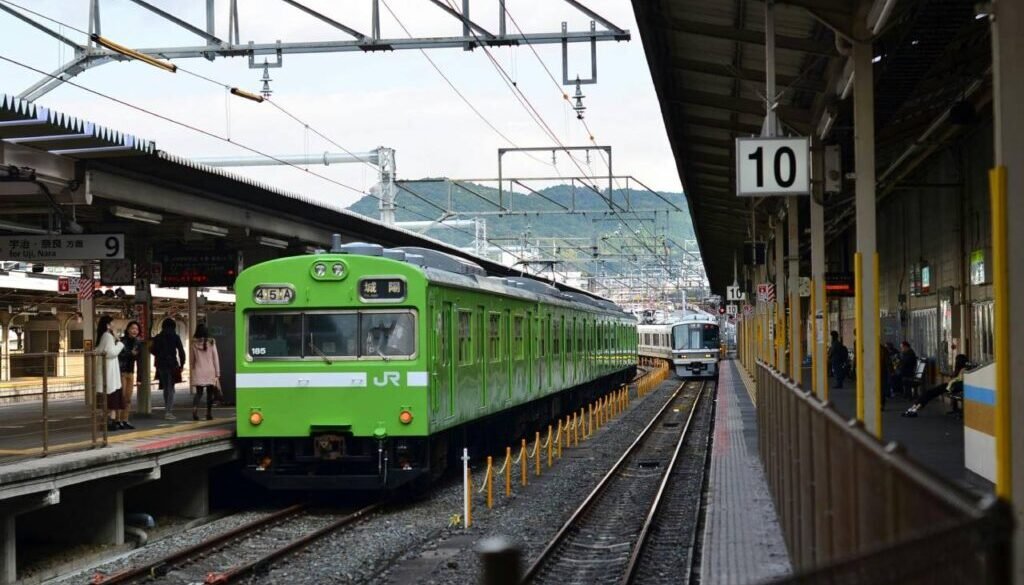
The JR Pass: Your Key to Exploring Japan by Train
Traveling through Japan by train is an exhilarating experience, and the Japan Rail Pass is your key to unlocking this adventure. As a special ticket designed for travelers, it grants unlimited access to JR trains, buses, and ferries, making it an essential component of many Japan itineraries.

The JR Pass guide is your roadmap to navigating Japan’s extensive rail network. With the pass, you can travel conveniently and cost-effectively, exploring Japan’s vibrant cities, cultural landmarks, and natural beauty.
Key Takeaways
- The Japan Rail Pass offers unlimited travel on JR trains, buses, and ferries.
- It’s a cost-effective way to explore Japan’s extensive rail network.
- The pass is available for different durations, catering to various travel plans.
- It’s an essential tool for travelers, enhancing their Japan travel experience.
- Understanding the JR Pass guide is crucial for maximizing its benefits.
What is the Japan Rail Pass?
The Japan Rail Pass offers a convenient and cost-effective way to travel across Japan. It is designed for tourists and visitors who plan to use the rail network extensively during their stay.
The Concept Behind the JR Pass
The JR Pass is based on the concept of providing unlimited travel on most JR trains, buses, and ferries for a fixed period. This pass is particularly useful for travelers with extensive itineraries, allowing them to move freely without the need to purchase individual tickets for each journey.
Types of JR Passes Available
There are several types of JR Passes available, catering to different travel needs. The most common types are the Ordinary and Green Car passes, with durations of 7, 14, or 21 days. The Ordinary Pass allows travel in standard cars, while the Green Car pass offers more comfort and luxury.
| Pass Type | Duration | Class |
|---|---|---|
| Ordinary | 7, 14, 21 days | Standard |
| Green Car | 7, 14, 21 days | First Class |

✈️ Travel Platforms:
🧡 Klook – Tours, activities & passes: https://tinyurl.com/3dhb4hzs
💙 Trip.com – Hotels, flights & packages: https://tinyurl.com/ytbev6ek
Affiliate links — no extra cost, small commission may be earned.
Why the JR Pass is Worth Considering
Japan’s JR Pass offers an unbeatable combination of convenience and cost savings for travelers. When exploring Japan’s extensive rail network, the JR Pass can be a game-changer, making it easier and more affordable to visit multiple destinations across the country.
Cost-Saving Benefits
The JR Pass provides significant cost savings, especially for travelers planning to cover long distances or visit multiple cities. For instance, a single trip on the Shinkansen between Tokyo and Osaka can cost around $140. With the JR Pass, you can make this trip, and many others, without additional charges. A 7-day JR Pass costs approximately $290, which can be more economical than buying individual tickets if you plan to travel extensively.

Convenience Factors
Beyond the financial benefits, the JR Pass also offers considerable convenience. It allows travelers to use various JR trains, including the Shinkansen, without the need to purchase separate tickets for each journey. This can significantly simplify travel planning and reduce stress, as you won’t need to worry about buying tickets at each station. Additionally, the JR Pass is widely accepted on JR trains, buses, and ferries, making it a versatile travel companion.
Overall, the JR Pass is worth considering for its ability to save you money and simplify your travel experience in Japan.
Who Should Purchase a JR Pass
To decide if a JR Pass is right for you, consider the scope and nature of your travel plans in Japan. The JR Pass is designed to offer convenience and cost savings for travelers who plan to use the rail network extensively.
Ideal Travel Patterns
Travelers who benefit most from the JR Pass are those who plan to cover long distances or visit multiple cities. For instance, if you’re planning to travel from Tokyo to Kyoto, Osaka, and then to Hiroshima, the JR Pass can be very cost-effective. It’s also ideal for those who plan to make multiple trips on the Shinkansen or other JR trains during their stay.
Key travel patterns that benefit from the JR Pass include:
- Traveling between major cities like Tokyo, Kyoto, and Osaka
- Using the Shinkansen for multiple trips
- Exploring different regions of Japan

✈️ Travel Platforms:
🧡 Klook – Tours, activities & passes: https://tinyurl.com/3dhb4hzs
💙 Trip.com – Hotels, flights & packages: https://tinyurl.com/ytbev6ek
Affiliate links — no extra cost, small commission may be earned.
When the Pass Might Not Be Worth It
On the other hand, if your travel plans are limited to a single city or region, or if you prefer traveling by bus or car, the JR Pass might not offer the best value. For example, if you’re staying in Tokyo and only making short trips within the city, other travel options might be more economical.
| Travel Pattern | JR Pass Value |
|---|---|
| Multiple long-distance trips | High |
| Single city stay | Low |
| Regional exploration | Medium to High |
By evaluating your travel plans against these factors, you can determine if the JR Pass is the right choice for your Japan adventure.
How to Use the JR Pass in Japan: Step-by-Step Guide
To make the most of your Japan trip, understanding how to use the JR Pass is essential. The JR Pass is a convenient and cost-effective way to travel across Japan, but its benefits can only be fully realized if you know how to use it correctly.
Before Your Trip: Purchasing the Exchange Order
The first step in using the JR Pass is purchasing an exchange order before your trip to Japan. This can typically be done through an authorized travel agent or online retailer. The exchange order is not the actual pass but a voucher that you exchange for your JR Pass once you arrive in Japan. It’s important to have your passport details ready when making the purchase, as this information will be required.
Upon Arrival: Activating Your JR Pass
Upon arriving in Japan, you’ll need to activate your JR Pass by exchanging your voucher at a JR Pass exchange office located at major train stations. These offices are usually found at airports and major JR train stations. To activate the pass, you’ll need to present your exchange order and passport. The pass will then be issued for the duration you’ve purchased, starting from the date you specify.

Recent Changes to the JR Pass System
It’s always a good idea to check for any recent changes to the JR Pass system before your trip. While the fundamental process of purchasing and activating the pass remains the same, there may be updates to the types of passes available, the exchange process, or the rules governing their use. Staying informed will help ensure a smooth travel experience.
JR Pass Validity and Duration Options
To get the most out of your JR Pass, it’s essential to understand its validity options. The JR Pass is available in different durations to accommodate various travel itineraries, making it a flexible option for travelers.

7-Day, 14-Day, and 21-Day Passes
The JR Pass comes in three validity periods: 7 days, 14 days, and 21 days. The 7-day pass is ideal for those with limited time or a focused itinerary, while the 14-day and 21-day passes offer more flexibility for travelers who want to explore Japan extensively. Each pass type is consecutive, starting from the date of activation.
Starting Date Strategies
Choosing the right start date for your JR Pass can significantly impact its value. Consider your travel plans and identify the days when you’ll be using the pass most intensively. For instance, if you’re traveling from Tokyo to Kyoto and then to Osaka, you might want to activate your pass on the day of your first long-distance trip. Planning your itinerary around the pass’s validity can help maximize its cost-effectiveness.
Transportation Covered by the JR Pass
Understanding the transportation options included with the JR Pass is crucial for maximizing its value. The pass is designed to provide comprehensive access to various JR-operated services, making it an ideal choice for travelers planning to explore different parts of Japan.
JR Trains and Shinkansen (Bullet Trains)
The JR Pass covers most JR trains, including the famous Shinkansen, or bullet trains, which are known for their speed and efficiency. With the pass, you can travel on various Shinkansen lines, such as the Tokaido, Sanyo, and Tohoku lines, allowing you to visit major cities like Tokyo, Osaka, and Kyoto quickly.
- Tokaido Shinkansen: Connecting Tokyo and Osaka
- Sanyo Shinkansen: Extending from Osaka to Fukuoka
- Tohoku Shinkansen: Linking Tokyo to Sendai and beyond
JR Buses and Ferries
In addition to trains, the JR Pass also covers certain JR-operated buses and ferries. These services are particularly useful for shorter distances or in areas where rail services are not available. For example, the pass covers the JR Miyajima Ferry, which is a convenient way to reach Miyajima Island near Hiroshima.
Local JR Lines
Local JR lines are another important component of the JR network covered by the pass. These lines provide access to suburban areas and smaller towns, allowing for a more immersive experience of local culture. Whether you’re traveling to rural areas or exploring the outskirts of major cities, the JR Pass makes it easy and affordable.
Trains and Routes Not Covered by the JR Pass
Although the JR Pass provides comprehensive access to many of Japan’s trains, there are notable exceptions that travelers should be aware of. Understanding these limitations is crucial for planning your itinerary and avoiding unexpected costs.
Private Railway Companies
Many of Japan’s railway lines are operated by private companies, which are not covered by the JR Pass. For instance, the Tokyo Metro and Toei Subway lines in Tokyo, as well as the Osaka Metro, require separate tickets or passes. These private railways often connect key destinations within cities, making them essential for navigating urban areas.
Limited Express Trains with Surcharges
Some JR trains, such as certain limited express services, require additional surcharges even with a JR Pass. Examples include the Nozomi and Mizuho Shinkansen services on the Tokaido and Kyushu Shinkansen lines, respectively. Travelers can use the JR Pass on slower Shinkansen services like the Hikari or Sakura, but they must pay extra for these faster trains.
| Train Type | JR Pass Coverage | Additional Requirements |
|---|---|---|
| Nozomi/Mizuho Shinkansen | No | Supplemental ticket required |
| Limited Express Services | Sometimes | May require limited express fee |
| Private Railway Lines | No | Separate ticket or pass needed |
Making Seat Reservations with Your JR Pass
To maximize your travel experience in Japan, understanding how to make seat reservations with your JR Pass is essential. While the JR Pass grants you access to various trains, including the Shinkansen, seat reservations are not always included.
Reservation Process for Shinkansen
Reservation Process for Shinkansen
For Shinkansen trains, reservations can be made at JR ticket offices, known as “Midori no Madoguchi,” or through automated reservation machines. It’s advisable to make reservations in advance, especially during peak travel seasons.
Tips for Reserving Shinkansen Seats:
- Arrive early to secure your preferred train and seat.
- Bring your JR Pass and passport.
- Specify your travel dates and preferred times.
Reserving Seats on Limited Express Trains
Limited express trains also require reservations, which can be made in a similar manner to Shinkansen reservations. Be aware that some limited express services may have specific rules or restrictions.
| Train Type | Reservation Method | Advance Reservation Recommended |
|---|---|---|
| Shinkansen | Midori no Madoguchi or automated machines | Yes, especially during peak seasons |
| Limited Express | Midori no Madoguchi or automated machines | Yes, for popular routes |
Non-Reserved Seating Options
Not all JR trains require reservations. For local and some regional trains, you can simply board using your JR Pass without a reservation. However, for popular routes or during peak travel times, reserving a seat can ensure a more comfortable journey.
By understanding the reservation process and planning ahead, you can make the most of your JR Pass and enjoy a hassle-free travel experience in Japan.
Navigating Japan’s Rail System with Your Pass
Navigating Japan’s complex rail network can be daunting, but with a JR Pass, you’ll be well-equipped to explore the country. As you travel, understanding the intricacies of the rail system will enhance your experience.
Understanding Station Signs and Announcements
One of the first challenges you’ll face is deciphering station signs and announcements. Most signs are written in Japanese characters, but many are also translated into English. Pay attention to the Romanji (Japanese words written in the Latin alphabet) to help you navigate. Announcements are often made in both Japanese and English, so listen carefully to stay informed about train schedules and any service disruptions.
Using the JR Pass at Ticket Gates
When using your JR Pass at ticket gates, simply pass through the designated JR Pass gates or show your pass to the attendant at the manned gates. Make sure your pass is easily accessible to avoid delays. Some stations have automatic gates that accept JR Passes, while others may require you to show your pass to a staff member.
Helpful Apps and Digital Resources
To further enhance your rail travel experience, consider downloading helpful apps and utilizing digital resources. Apps like Hyperdia and Google Maps provide invaluable information on train routes, schedules, and fares. These tools can help you plan your itinerary and navigate the rail system with ease. Additionally, many JR Pass holders recommend using Japan Railways’ official app for the most up-to-date information on train services.
By mastering these aspects of Japan’s rail system, you’ll be able to travel efficiently and enjoy your journey to the fullest.
Planning Your Itinerary Around the JR Pass
To get the most out of your JR Pass, careful itinerary planning is essential. The JR Pass offers unparalleled flexibility and convenience for traveling across Japan, but without a well-planned itinerary, you might not maximize its value.
When planning your trip, consider the types of journeys you’ll be taking. The JR Pass is particularly beneficial for long-distance travel, allowing you to traverse the country efficiently. For instance, traveling from Tokyo to Osaka or exploring the northern islands of Hokkaido becomes much more manageable with the pass.
Maximizing Value with Long-Distance Travel
Long-distance travel is where the JR Pass truly shines. By covering extensive distances, such as from Tokyo to Hiroshima or Kyoto to Sapporo, you can significantly reduce your travel costs. For example, a single round-trip on the Shinkansen between Tokyo and Osaka can cost around $300; with the JR Pass, you can make this journey for free after the initial pass purchase.
To maximize the value, plan your long-distance trips in advance. Consider using the Shinkansen or other JR trains that cover large distances. This not only saves you money but also time, as these trains are among the fastest in the world.
Clustering Destinations Efficiently
Another effective strategy is to cluster destinations based on their geographical proximity. Instead of zigzagging across Japan, group your activities and visits by region. For example, if you’re visiting Kyoto, consider exploring nearby Nara or Osaka in the same trip segment. This approach minimizes backtracking and reduces the need for frequent long-distance travel on the same routes.
By clustering destinations and focusing on long-distance travel, you can create an efficient and cost-effective itinerary that makes the most of your JR Pass. This strategic planning not only enhances your travel experience but also ensures that you’re getting the best possible value from your pass.
Popular Routes to Explore with the JR Pass
The JR Pass is more than just a ticket; it’s a key to discovering Japan’s hidden gems and popular destinations alike. With the pass, travelers can explore various routes that showcase the country’s diverse landscapes, cultures, and experiences.
The Classic Tokyo-Kyoto-Osaka Triangle
The JR Pass is particularly useful for exploring the iconic Tokyo-Kyoto-Osaka triangle. Travelers can easily take the Nozomi or Hikari Shinkansen from Tokyo to Kyoto, then continue to Osaka, enjoying the convenience of unlimited travel on JR trains, buses, and ferries. This route allows visitors to experience Japan’s blend of traditional and modern culture, from Tokyo’s neon-lit streets to Kyoto’s ancient temples and Osaka’s vibrant food scene.
Northern Japan Exploration
For those interested in exploring Northern Japan, the JR Pass offers access to the scenic Tohoku region. Travelers can visit Miyagi Prefecture to sample fresh seafood, explore the historic city of Morioka, or enjoy the natural beauty of Hirosaki. The pass covers travel on the Tohoku Shinkansen, making it easy to discover the hidden gems of this often-overlooked area.
Southern Japan Adventures
In Southern Japan, the JR Pass enables travelers to explore the Sanyo Shinkansen line, connecting Osaka to Fukuoka. Along this route, visitors can stop in Hiroshima to visit the Peace Memorial Park, enjoy the scenic views of Miyajima Island, or experience the vibrant atmosphere of Fukuoka. The pass also covers local JR lines, allowing for easy exploration of these cities and their surroundings.
Using the JR Pass in Major Cities
The JR Pass is not just for long-distance travel; it’s also a valuable asset when navigating major Japanese cities. With the pass, you can easily explore the urban landscapes of Tokyo, Osaka, Kyoto, and other major cities without worrying about individual ticket costs.
Tokyo’s JR Yamanote Line and Other City Routes
Tokyo’s JR Yamanote Line is a crucial part of the city’s transportation network, looping around central Tokyo and connecting many major stations and attractions. With a JR Pass, you can ride the Yamanote Line and other JR trains freely, making it easy to visit famous spots like Shibuya, Shinjuku, and Tokyo Station.
Osaka Loop Line and Urban Networks
Osaka’s Loop Line is another urban JR line that benefits from the JR Pass. It encircles the city, providing access to key areas like Osaka Station, Shinsaibashi, and Universal City. The pass allows you to hop on and off at your convenience, exploring Osaka’s culinary delights and entertainment districts.
Kyoto and Other Major Cities
In Kyoto, while the city is relatively compact and walkable, the JR Pass is still useful for accessing outlying areas or taking day trips to nearby cities like Nara. Other major cities like Hiroshima and Sapporo also have JR lines that are covered by the pass, enhancing your travel flexibility.
| City | JR Line/Route | Notable Attractions |
|---|---|---|
| Tokyo | Yamanote Line | Shibuya, Shinjuku, Tokyo Station |
| Osaka | Osaka Loop Line | Osaka Station, Shinsaibashi, Universal City |
| Kyoto | JR Kyoto Line | Kyoto Station, Fushimi Inari, Kinkaku-ji |
Regional JR Passes and Alternatives
For travelers focusing on particular regions, Japan’s regional JR Passes can be a more cost-effective and efficient option. These passes are designed to cover specific areas, making them ideal for itineraries that don’t require extensive nationwide travel.
JR East, West, Hokkaido, and Kyushu Passes
Several regional JR Passes are available, each catering to different parts of Japan. The JR East Pass covers the eastern regions, including Tokyo and the surrounding areas, as well as the Tohoku region. The JR West Pass is perfect for exploring the Kansai area, including Osaka, Kyoto, and Hiroshima. For those heading to the northernmost island, the JR Hokkaido Pass offers unlimited travel within Hokkaido. Lastly, the JR Kyushu Pass is designed for travelers interested in the southern island of Kyushu.
| Regional Pass | Areas Covered | Notable Destinations |
|---|---|---|
| JR East Pass | Eastern Japan | Tokyo, Nikko, Sendai |
| JR West Pass | Western Japan | Osaka, Kyoto, Hiroshima |
| JR Hokkaido Pass | Hokkaido | Sapporo, Otaru, Hakodate |
| JR Kyushu Pass | Kyushu | Fukuoka, Sasebo, Kagoshima |
When Regional Passes Offer Better Value
Regional JR Passes offer better value when your travel plans are concentrated within a specific area. For instance, if you’re spending most of your time in and around Tokyo, the JR East Pass might be more economical than the national JR Pass. Similarly, if your itinerary includes extensive travel within the Kansai region, the JR West Pass could be the way to go. It’s essential to calculate your expected travel costs with and without a regional pass to determine which option provides the most savings.
By choosing the right regional JR Pass, travelers can enjoy a more tailored and cost-effective travel experience in Japan.
Accessibility and Special Considerations
As you prepare for your Japanese adventure with the JR Pass, understanding the accessibility options and peak travel considerations is crucial. Japan is known for its meticulous attention to detail and accessibility features, making it relatively easy for travelers with disabilities to navigate.
Using the JR Pass with Disabilities
Many JR stations and trains are equipped with facilities for travelers with disabilities, including elevators, ramps, and accessible restrooms. The JR Pass is fully compatible with these accessible routes, allowing travelers to move freely throughout Japan. For instance, most Shinkansen trains have designated areas for passengers with disabilities, complete with wheelchair-accessible seating and grab handles.
| Accessibility Feature | Description | Availability |
|---|---|---|
| Elevators | Available at most JR stations | High |
| Ramps | Commonly found at JR stations and trains | High |
| Accessible Restrooms | Available at major JR stations | Medium |
| Designated Areas on Shinkansen | Wheelchair-accessible seating and grab handles | High |
Traveling During Peak Seasons
Peak travel seasons, such as New Year’s (Oshogatsu) and Cherry Blossom season (Hanami), can significantly impact your JR Pass experience. During these times, trains are more crowded, and some services may be altered. Planning ahead, including making seat reservations in advance, can greatly enhance your travel experience.
By understanding these special considerations, you can better navigate Japan with your JR Pass, ensuring a smooth and enjoyable journey.
My Personal Experiences Using the JR Pass
The JR Pass was more than just a travel card; it was my gateway to exploring Japan. During my trip, I had the opportunity to extensively use the JR Pass, and it significantly impacted my travel experience.
Unexpected Benefits I Discovered
One of the unexpected benefits I discovered was the flexibility the JR Pass offered. I could travel on various JR trains, including the Shinkansen, without worrying about individual ticket costs.
| Mode of Transport | Benefits |
|---|---|
| Shinkansen | Fast and comfortable travel between major cities |
| JR Buses | Access to rural areas and scenic routes |
| JR Ferries | Scenic travel and access to islands |
Challenges I Faced and How I Overcame Them
Despite the many benefits, I faced some challenges, particularly during peak travel seasons. The trains were often crowded, and making seat reservations in advance became crucial.
To overcome this, I used the JR Pass reservation system and apps like Hyperdia to plan my routes and book reservations in advance. By being proactive, I was able to minimize the impact of crowds and ensure a smooth journey.
Conclusion: Is the JR Pass Right for Your Japan Adventure?
As I reflect on my journey through Japan using the JR Pass, I’m reminded of the importance of planning in making the most of this travel option. The JR Pass can be a game-changer for travelers looking to explore Japan’s vast rail network, but it’s essential to assess whether it aligns with your Japan travel planning.
To determine if the JR Pass is right for you, consider your itinerary and travel style. If you plan to take multiple long-distance trips or explore various regions, the JR Pass can offer significant cost savings and convenience. However, if your travel is limited to a single city or region, a regional JR Pass or other local passes might be more suitable.
In conclusion, the JR Pass is a valuable tool for navigating Japan’s rail system, but it’s crucial to weigh its benefits against your specific travel plans. By understanding the JR Pass conclusion and how it fits into your overall Japan travel planning, you can make an informed decision that enhances your travel experience.
FAQ
What is the Japan Rail Pass?
The Japan Rail Pass is a special ticket that allows unlimited travel on JR trains, buses, and ferries, making it an essential component of many travelers’ Japan itineraries.
What types of JR Passes are available?
The JR Pass comes in different durations, including 7-day, 14-day, and 21-day passes, as well as regional passes that cover specific areas of Japan.
How do I purchase a JR Pass?
To purchase a JR Pass, you need to buy an exchange order before your trip to Japan and then exchange it for the actual pass upon arrival in Japan.
Can I use the JR Pass on all trains in Japan?
The JR Pass covers most JR trains, including Shinkansen (bullet trains), but it does not cover trains operated by private railway companies or limited express trains that require additional surcharges.
How do I make seat reservations with my JR Pass?
You can make seat reservations at JR ticket offices or using automated reservation machines, and some reservations can also be made online or through travel agencies.
Is the JR Pass valid on JR buses and ferries?
Yes, the JR Pass is valid on JR buses and ferries, in addition to JR trains.
Can I use the JR Pass during peak travel seasons?
Yes, the JR Pass can be used during peak travel seasons, but it’s recommended to plan ahead and make seat reservations in advance to avoid crowds.
Are there any regional JR Passes available?
Yes, there are regional JR Passes available, such as the JR East Pass, JR West Pass, JR Hokkaido Pass, and JR Kyushu Pass, which cover specific regions of Japan.
How do I navigate Japan’s rail system with my JR Pass?
To navigate Japan’s rail system, you can use the JR Pass at ticket gates, understand station signs and announcements, and leverage helpful apps and digital resources.
Can I use the JR Pass with disabilities?
Yes, the JR Pass can be used by travelers with disabilities, and many JR stations and trains are equipped with accessible facilities.
What are some popular routes to explore with the JR Pass?
Some popular routes to explore with the JR Pass include the classic Tokyo-Kyoto-Osaka triangle, as well as adventures in Northern and Southern Japan.
How can I maximize the value of my JR Pass?
To maximize the value of your JR Pass, plan your itinerary to include long-distance travel and cluster destinations efficiently.